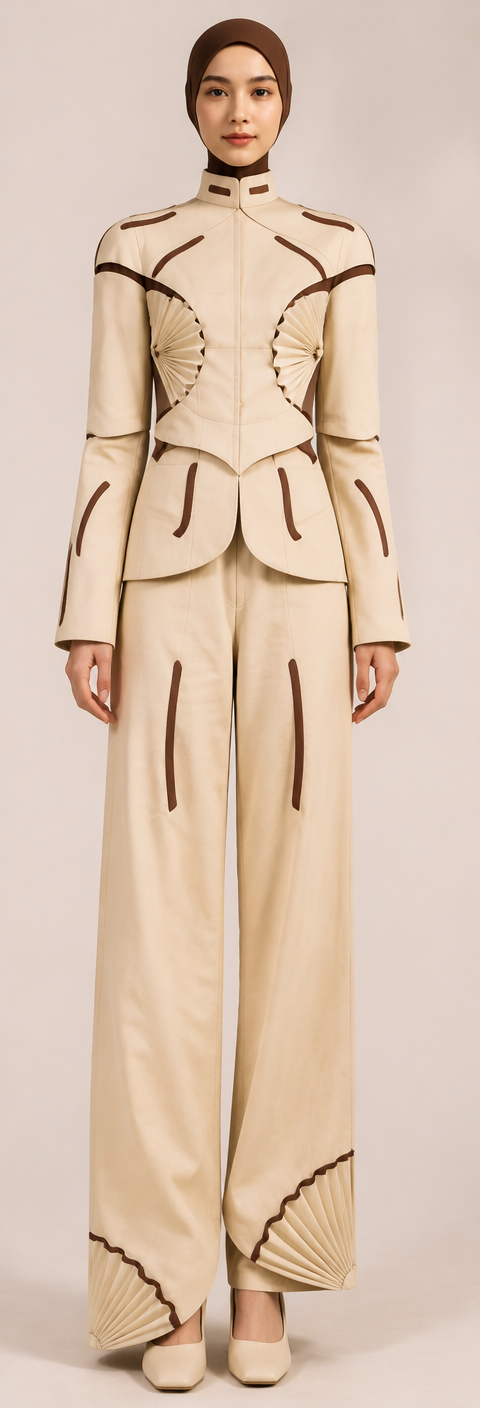
Sketch render: Create a highly realistic, professional fashion visualization based strictly on the provided fashion sketch. 1. Garment Structure and Silhouette Reproduce the exact silhouette, proportions, construction lines, and overall design of the original sketch. The outfit consists of a contemporary, modest two-piece student ensemble featuring a structured jacket with long sleeves and wide-leg trousers. Preserve the asymmetrical design elements, distinctive panel construction, cropped jacket length, and the original placement of all design details. Do not redesign, simplify, or unnecessarily modify the garment. 2. Color Placement and Fabric Selection Use only two main fabric colors: Butter cream (warm, soft, light beige-cream). Burnt umber brown (rich, warm, earthy dark brown). Follow the color markings on the sketch precisely: All areas marked with brown strokes must be made of burnt umber brown fabric. All areas marked with yellow strokes must be made of butter cream fabric. Keep the remaining garment sections consistent with the overall color blocking and the original sketch. Use realistic cotton and Tergal fabric textures, with a matte finish, natural fabric weight, and sufficient structure to maintain the designed silhouette. 3. Architectural Inspiration and Decorative Details The distinctive semicircular, fan-shaped details incorporated into the jacket's side panels and trouser hems are inspired by the radial geometric brick patterns of the architectural ceiling in the reference photograph. Reinterpret these architectural motifs as refined garment-construction details. The semicircular elements should feature carefully arranged radial fabric segments, creating a pleated, fan-like appearance with visible individual panels and precise stitching. Preserve their three-dimensional quality and geometric rhythm. These details should look like intentional pattern-cutting and fabric-construction techniques, rather than printed decorations, embroidery, or randomly attached ornaments. 4. Mannequin and Styling Present the complete outfit on a realistic, full-body female fashion mannequin with natural human proportions. The mannequin must wear a modest hijab. The hijab should be neatly tucked completely inside the neckline of the garment, with no loose fabric covering the jacket, shoulders, collar, sleeves, or any design details. The head should be fully covered, while the garment remains clearly visible. 5. Rendering and Presentation Produce a photorealistic, high-end fashion design render, resembling a professionally photographed finished garment rather than a fashion illustration or digital sketch. Show the mannequin in a straight, front-facing standing position, with the entire outfit visible from head to toe. Use realistic fabric folds, accurate garment construction, natural shadows, precise seams, dimensional paneling, and authentic material textures. Use a clean, neutral, light studio background with soft professional fashion photography lighting. IMPORTANT RESTRICTIONS: Strictly preserve the original sketch's design and silhouette. Do not change the placement or shape of the semicircular architectural-inspired details. Do not introduce additional colors, patterns, accessories, or decorative elements. Do not allow the hijab to cover any part of the garment. Do not turn the garment into a costume or an exaggerated haute couture outfit. Prioritize realistic wearability, accurate tailoring, and faithful interpretation of the original design. Final result: A realistic, wearable, contemporary modest student outfit, faithfully rendered from the original sketch, featuring butter cream and burnt umber brown color blocking and architectural-inspired radial semicircular fabric constructions.
See More
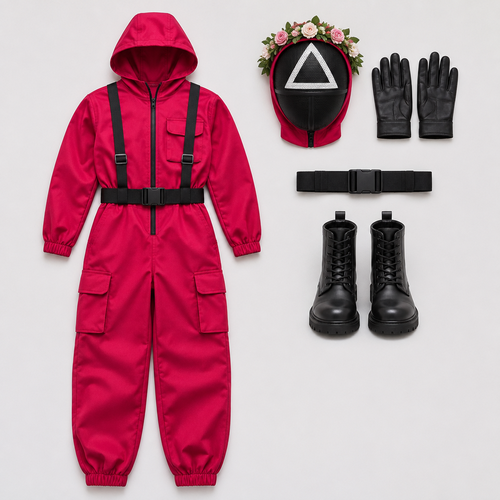
A Male fashion design. охранник из игры кальмара🔺 треугольник голове венок сел на кллени мультяшная мультфильм Диснея м...
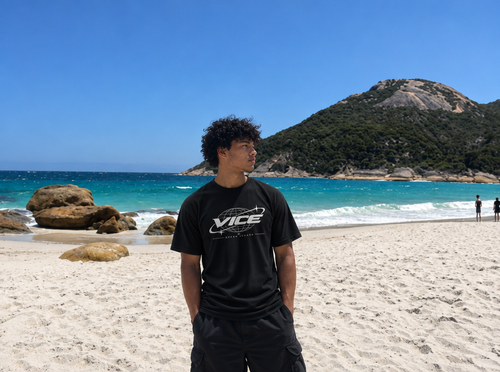
Outfit try-on
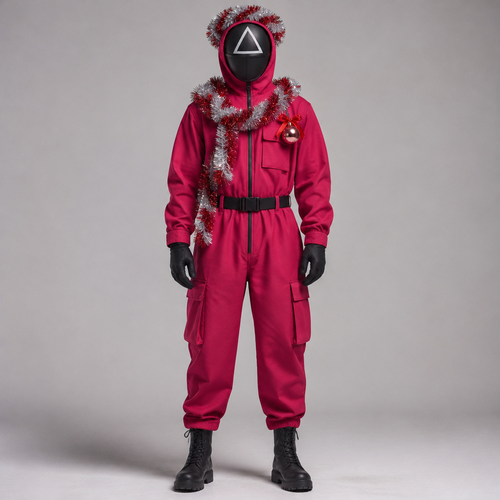
A Male fashion design. охранник из игры кальмара🔺 треугольник голове венок мишура Уфе новый год 🎊🎉📆 Present it as pr...
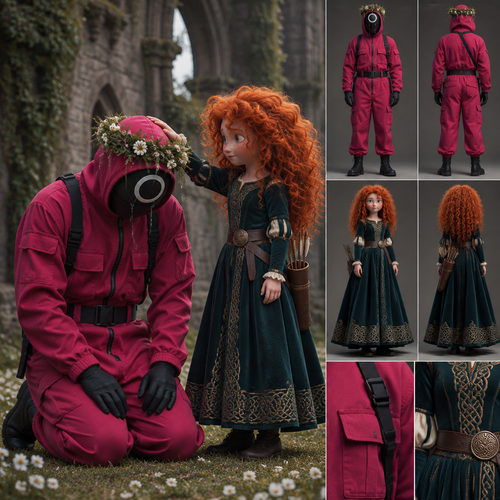
A Male fashion design. охранник из игры кальмара⭕ круг голове венок слезах сел на колени мультяшная мультфильм Диснея ме...
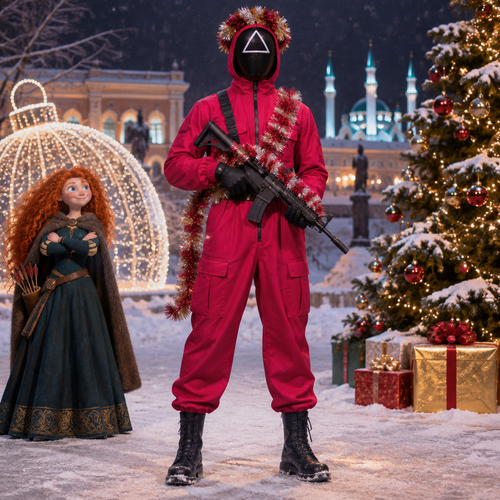
A Male fashion design. охранник из игры кальмара🔺 треугольник голове венок мишура мультяшная мультфильм Диснея мерида м...
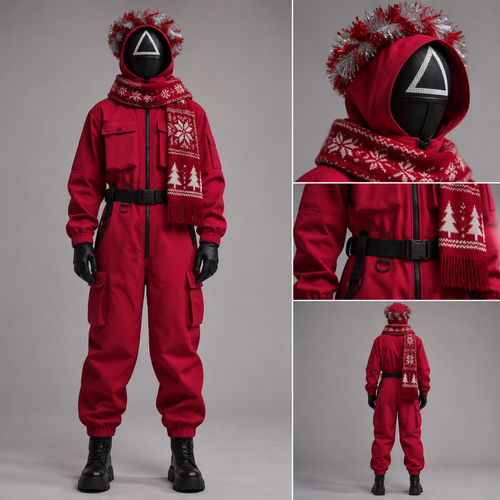
A Male Dress design, suitable for Fall. охранник из игры кальмара🔺 треугольник голове венок мишура Уфе новый год Presen...
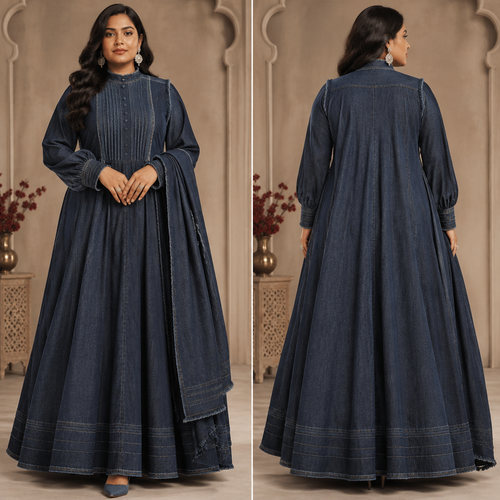
A Dress design, made of Denim, with a rich, textured surface, with an Oversized silhouette, with modest, full coverage: ...
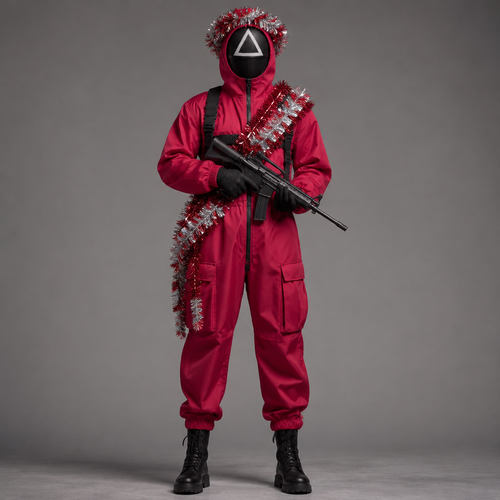
A Male fashion design. охранник из игры кальмара 🔺треугольник голове венок мишура в руках автомат Present it as profess...
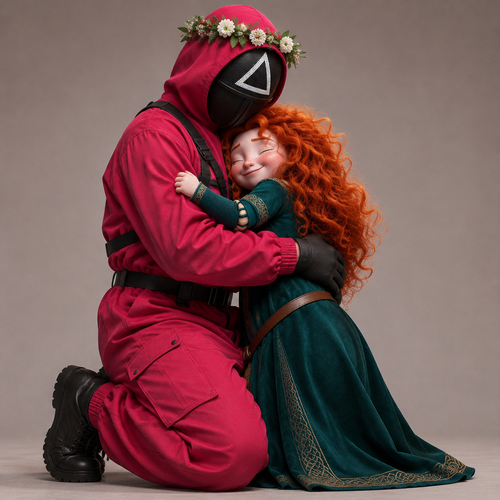
A Male fashion design. охранник из игры кальмара🔺 треугольник голове венок сел на колени обнял мериду маленькую мультяш...
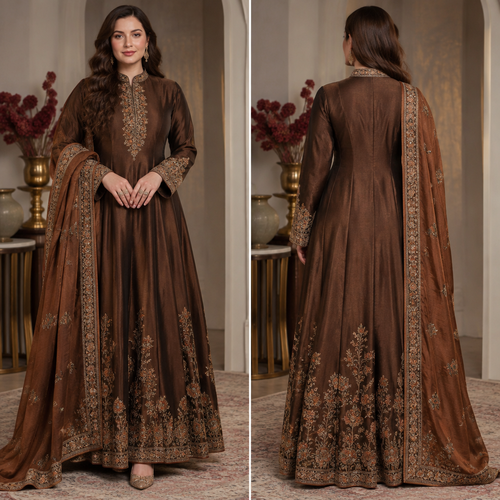
A Female Dress design, made of Silk, with a soft, cosy hand, with a Relaxed silhouette, with modest, full coverage: long...
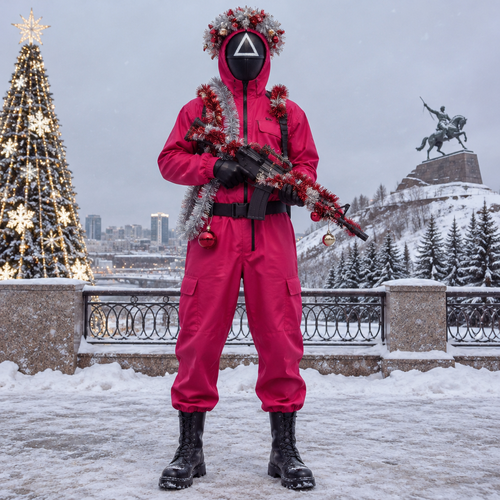
A Male fashion design. охранник из игры кальмара🔺 треугольник голове венок мишура в руках автомат мишура Уфе новый год ...
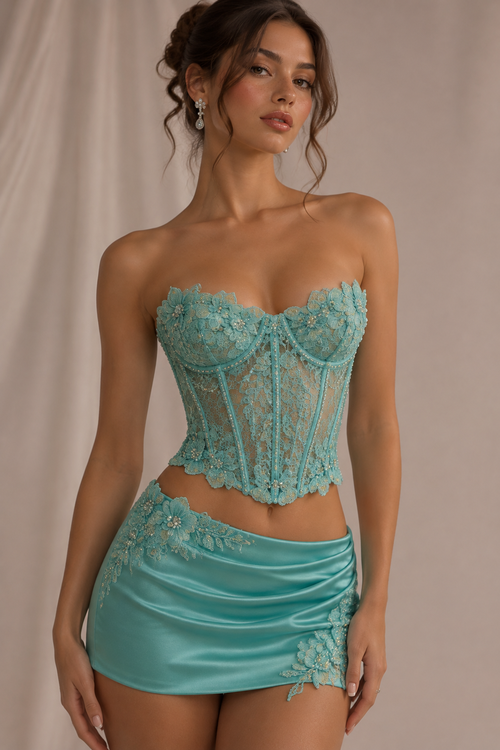
A two piece corset top and miniskirt in the colour turquoise with fashion beading and floral lace details on the top and...
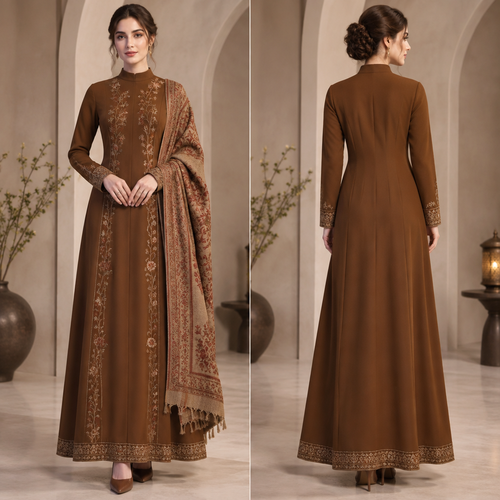
A Female Dress design, made of Cotton, with a sleek, smooth finish, with a Fitted silhouette, with modest, full coverage...
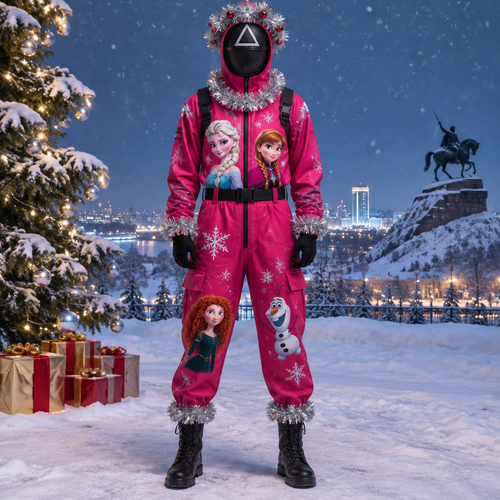
A Male fashion design. охранник из игры кальмара🔺 треугольник голове венок мишура Уфе новый год 🎊🎉📆 мультяшная мульт...
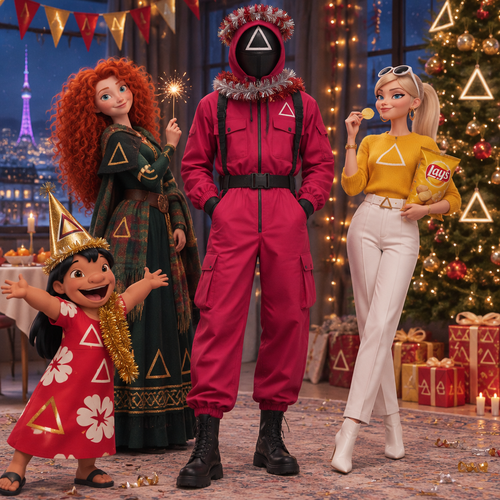
A Male Dress design, suitable for Fall. охранник из игры Кальмара треугольник голове венок мишура🔺 сним мультяшная муль...
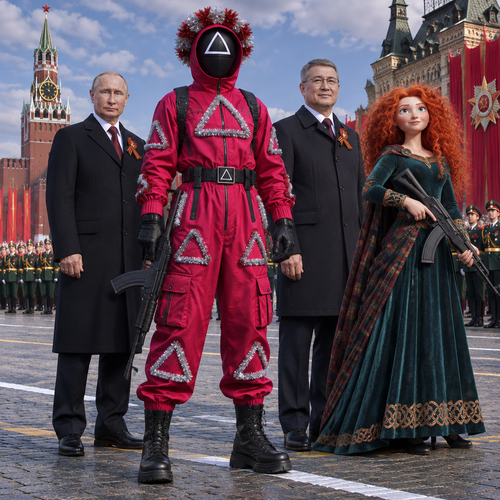
A Male fashion design. охранник из игры кальмара🔺 треугольник голове венок мишура все треугольник Москве парад Победы В...
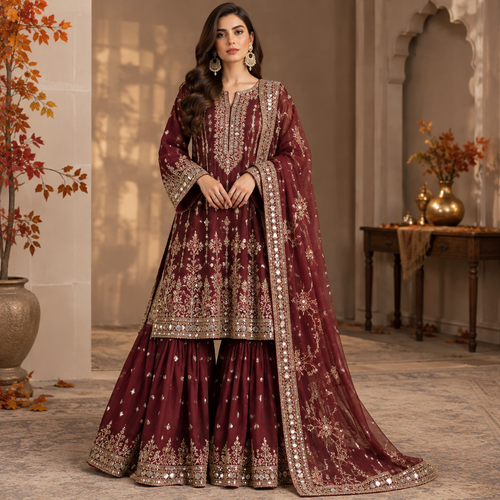
A Female Dress design, suitable for Fall. Consider Pakistani fashion — shalwar kameez, gharara, sharara; lawn fabrics, c...
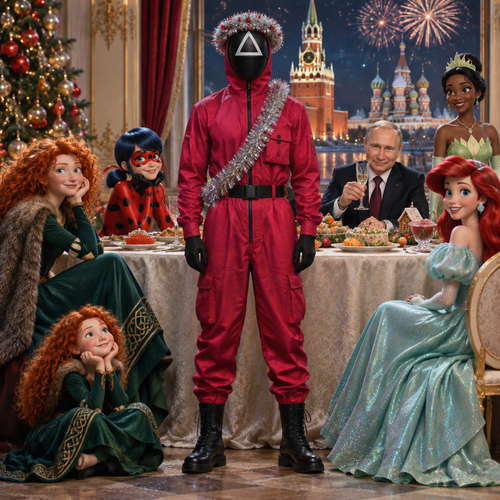
A Male fashion design. охранник из игры кальмара🔺 треугольник голове венок мишура Уфе мультяшная мультфильм Диснея мер...
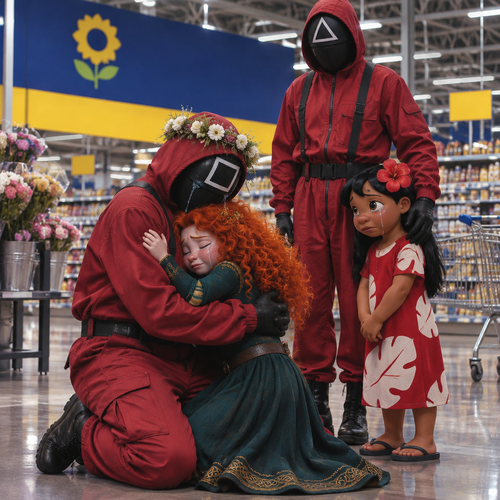
A Male fashion design. охранник из игры кальмара квадрат менеджер красном комбинезон слезаж голове венок слез на колени ...
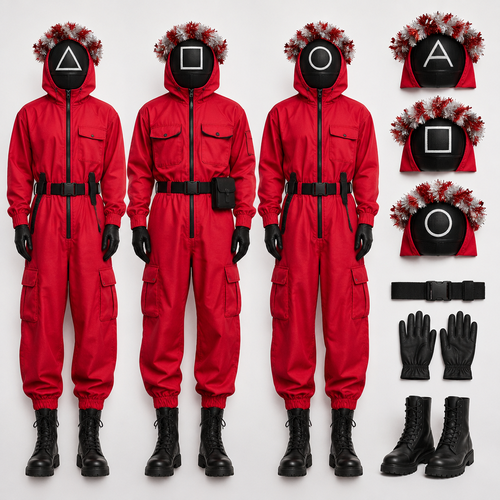
A Male fashion design. охранник из игры кальмара🔺 треугольник голове венок мишура сним охранник из игры кальмара квадра...
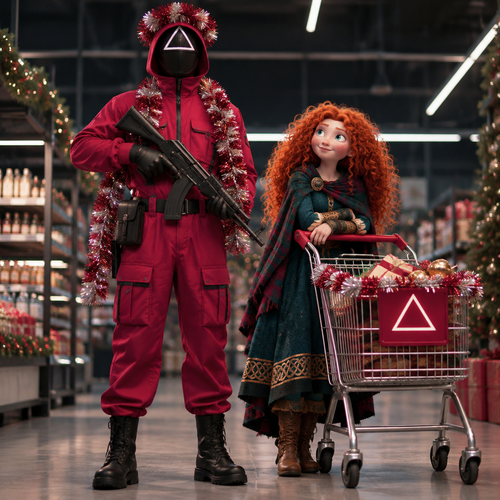
A Male Dress design, suitable for Fall. охранник из игры кальмара🔺 треугольник голове венок мишура в руках автомат сним...
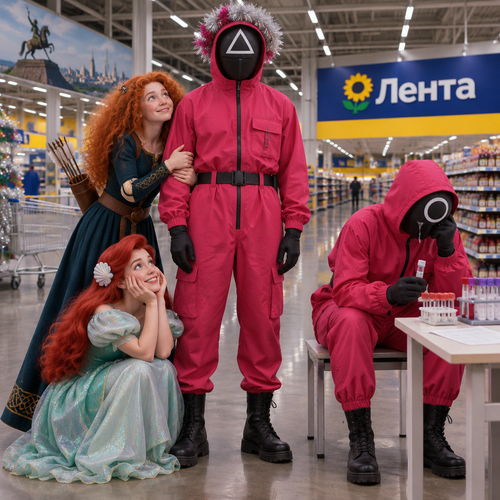
A Male fashion design. охранник из игры кальмара🔺 треугольник голове венок мишура сним мультяшная мультфильм Диснея мер...
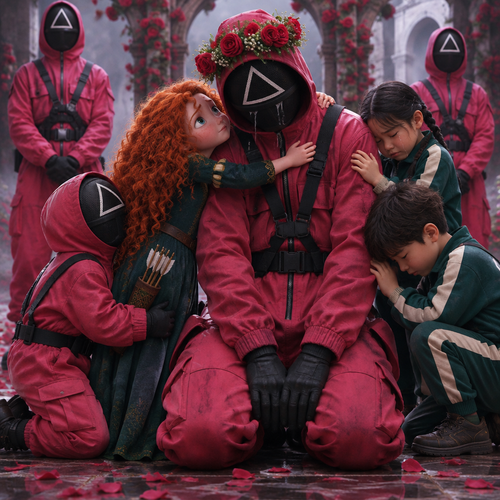
A Male fashion design. охранник из игры кальмара🔺 треугольник 🔺голове венок слезах сел на колени Уфе сним мерида мален...
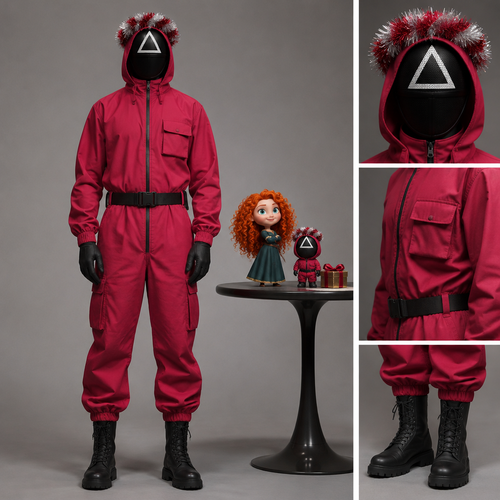
A Male fashion design. охранник из игры кальмара треугольник голове венок мишура 🔺 сним мерида маленькая мультяшная мул...
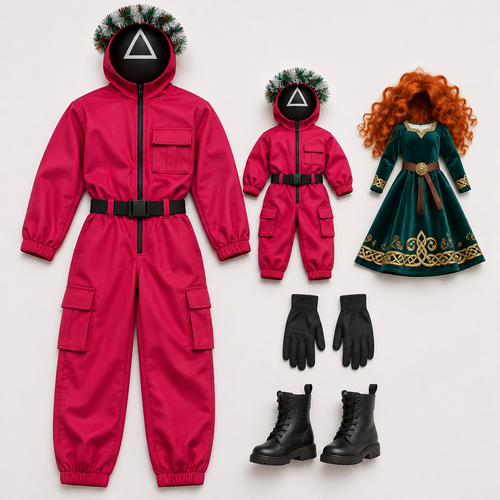
A Male fashion design. охранник из игры кальмара🔺 треугольник голове венок мишура сним маленький охранник из игры кальм...
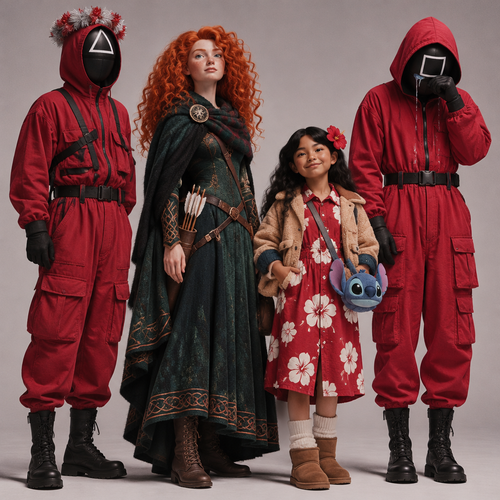
A Male Dress design, suitable for Fall. охранник из игры кальмара треугольник 🔺 голове венок мишура сним мультяшная мул...
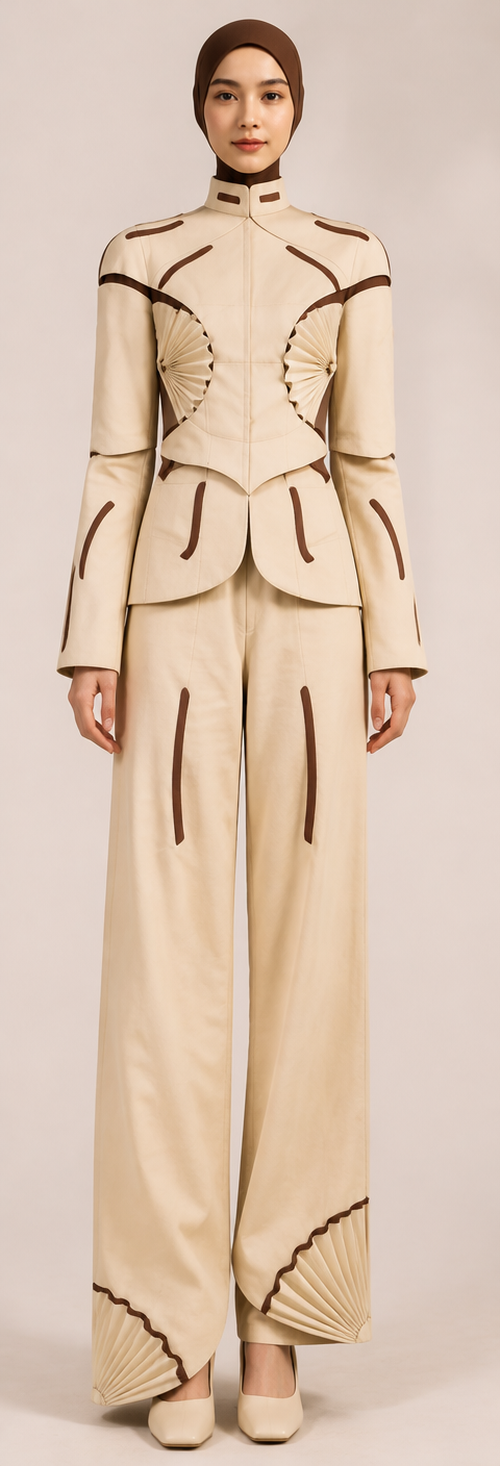
Sketch render: Create a highly realistic, professional fashion visualization based strictly on the provided fashion sket...
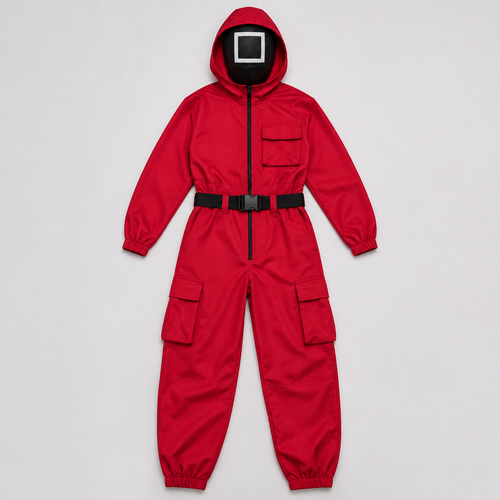
A Male fashion design. охранник из игры кальмара квадрат менеджер коасном комбинезон слезах сел на колени сним мультяшна...
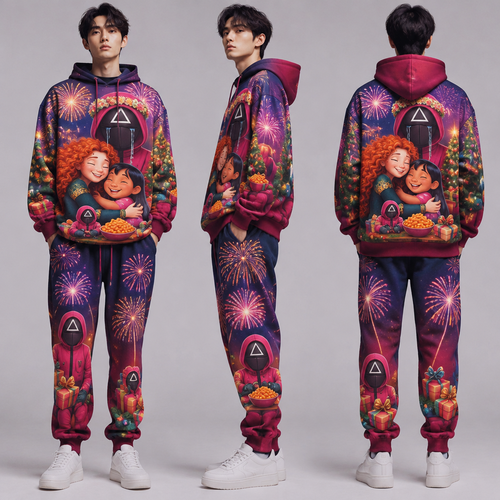
A Male fashion design. охранник из игры кальмара🔺 треугольник голове венок слезах сним мультяшная мультфильм Диснея мер...
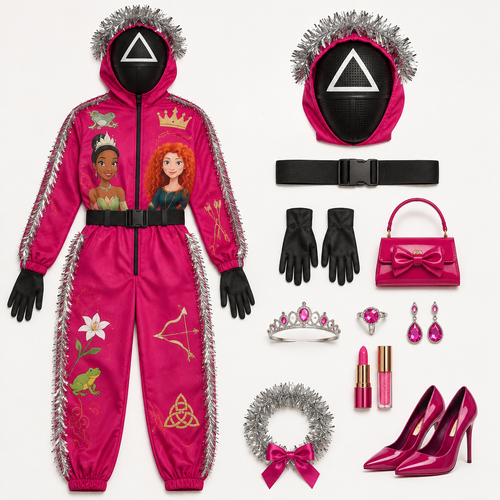
A Male fashion design. охранник из игры кальмара🔺 треугольник голове венок мишура сним мультяшная мультфильм Диснея Тиа...
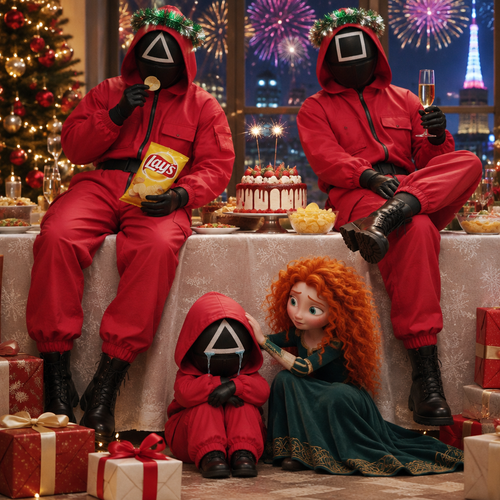
A Male fashion design. охранник из игры кальмара🔺 треугольник голове венок мишура сним охранник из игры кальмара квадра...
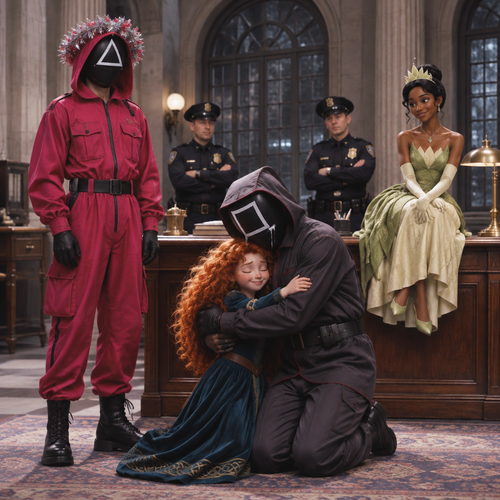
A Male Dress design, suitable for Fall. охранник из игры кальмара🔺 треугольник голове венок мишура сним охранник из игр...
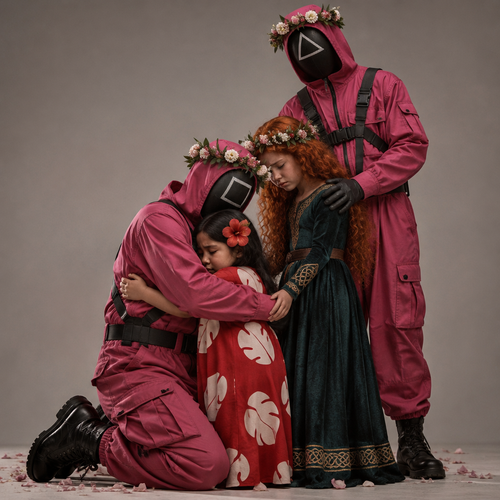
A Male fashion design. охранник из игры кальмара квадрат менеджер слезах голове венок сел на колени обнял Лило сним охра...
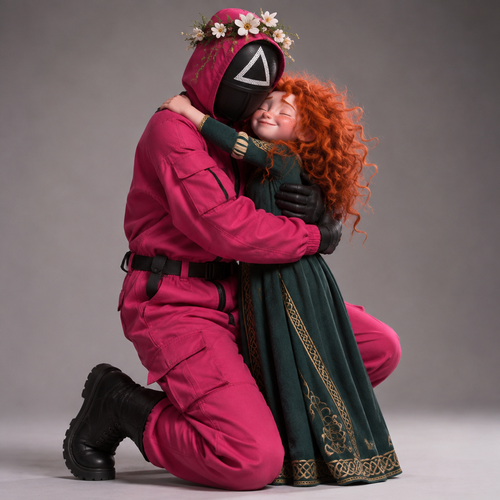
A Male fashion design. охранник из игры кальмара🔺 треугольник голове венок сел на колени обнял мериду маленькую мультяш...
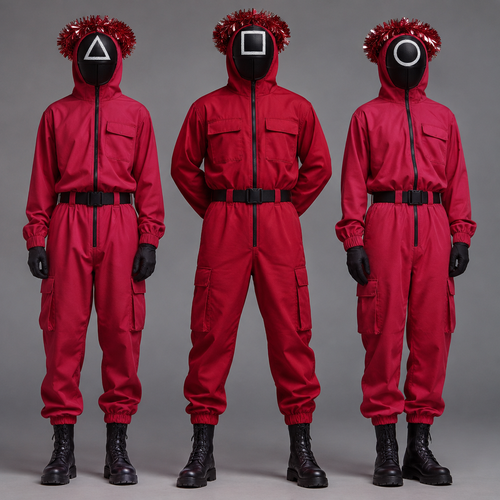
A Male fashion design. охранник из игры кальмара🔺 треугольник голове венок мишура охранник из игры кальмара квадрат мен...
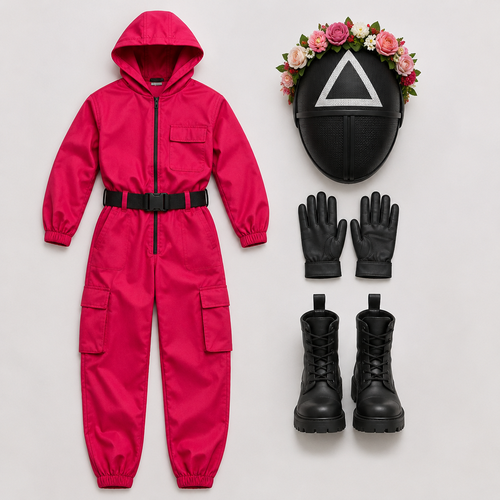
A Male fashion design. охранник из игры кальмара🔺 треугольник голове венок мультяшная мультфильм Диснея Эльвица Лина Ма...
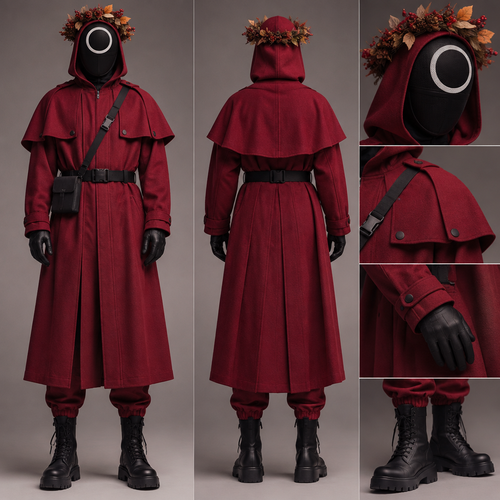
A Male Dress design, suitable for Fall. охранник из игры кальмара круг⭕ голове венок мишкра Present it as professional f...
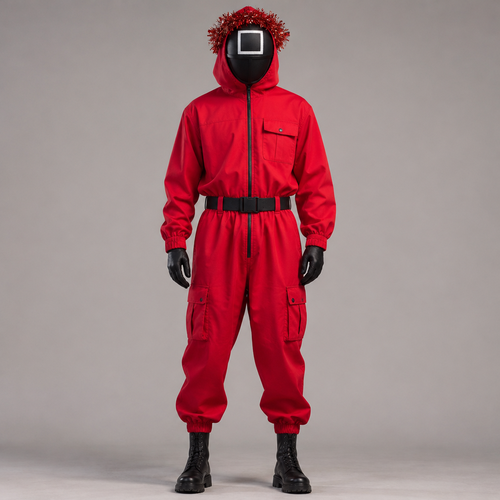
A Male fashion design. охранник из игры кальмара квадрат менеджер◼️ голове венок мишура красном комбинезон Present it as...
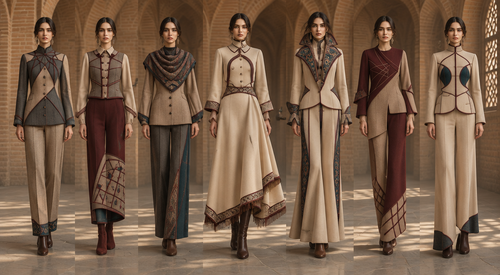
Sketch render: # MASTER PROMPT — IRANIAN HISTORICAL BAZAAR ## AUTUMN / WINTER FASHION COLLECTION Act as a senior fashio...
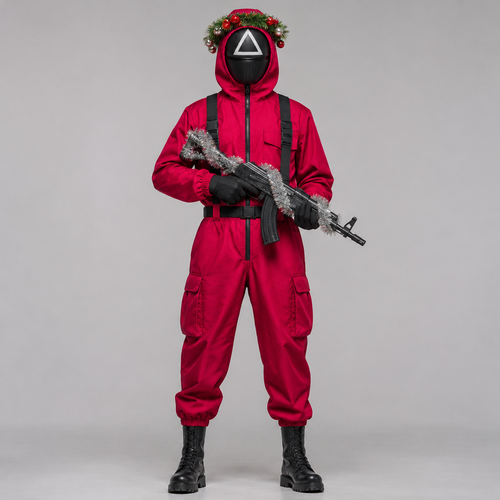
A Male fashion design. охранник из игры кальмара🔺 треугольник голове венок мишура в руках автомат Present it as profess...
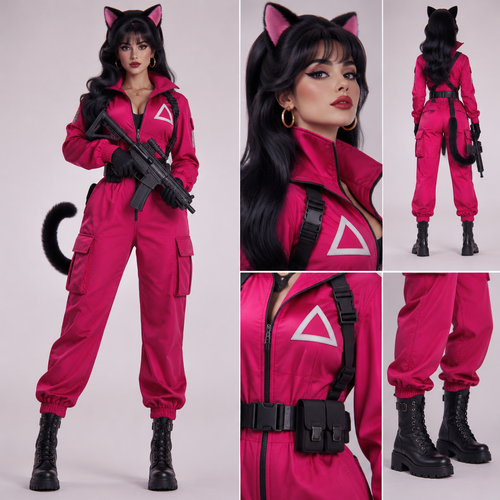
A Female fashion design. мультяшная мультфильм Диснея эльвица Лина Мах маджелина 🐈 сней охранник из игры кальмара🔺 тре...
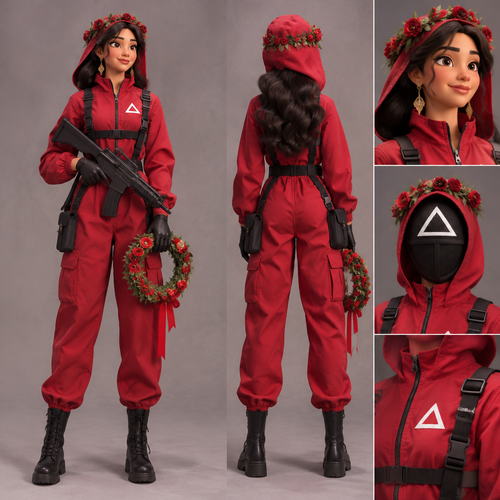
A Female fashion design. мультяшная мультфильм Диснея Эльвира Лина Мах маджина 👧 сним охранник из игры кальмара🔺 треуг...