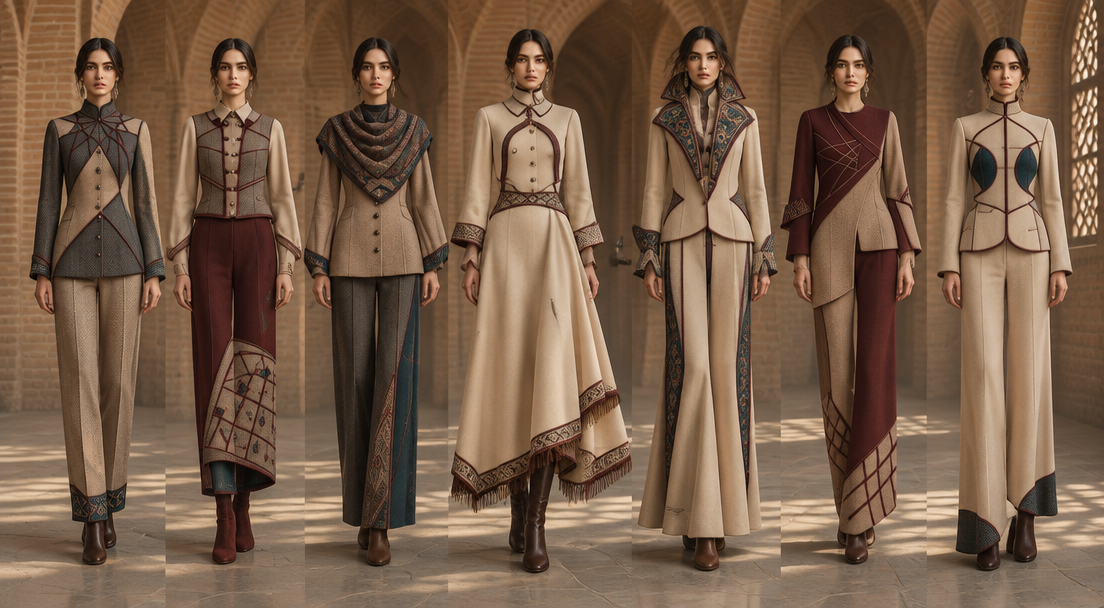
Sketch render: # MASTER PROMPT — IRANIAN HISTORICAL BAZAAR ## AUTUMN / WINTER FASHION COLLECTION Act as a senior fashion designer, haute couture pattern maker, textile specialist, and luxury fashion editorial art director. I am developing a conceptual Autumn/Winter fashion collection inspired by the historical bazaars of Iran, particularly the Tabriz Grand Bazaar, with complementary architectural references from Kashan Bazaar, Vakil Bazaar in Shiraz, Ganjali Khan Complex in Kerman, and Qeysarieh Bazaar in Isfahan. I will provide: 1. My original hand-drawn fashion collection sketches. 2. Architectural moodboards and reference photographs of Iranian historical bazaars. 3. Traditional textile, embroidery, geometric ornament, and material references. ### 1. MOST IMPORTANT REQUIREMENT: PRESERVE THE ORIGINAL DESIGNS Treat my original fashion sketches as the primary design authority. Reproduce each garment as faithfully as possible, maintaining: - Original silhouette and proportions. - Exact placement of seams and construction lines. - Asymmetrical cuts and overlapping panels. - Original collar and neckline shapes. - Sleeve shapes, cuffs, and shoulder structures. - Hemline shapes and garment lengths. - Geometric decorations and ornamental placements. - Original layering and volume distribution. Do not redesign, simplify, replace, or invent garment details. Do not turn the collection into traditional Iranian costumes. These are contemporary fashion designs inspired by Iranian architectural heritage. ### 2. WINTER MATERIAL DEVELOPMENT Translate the original designs into realistic luxury winter garments using seasonally appropriate materials: - Heavy melton wool. - Wool and cashmere blends. - Structured wool crepe. - Wool tweed. - Wool jacquard. - Dense felted wool. - Velvet accents. - Structured winter suiting fabrics. Select fabrics according to the individual garment construction and silhouette. The fabrics must look physically realistic, with accurate thickness, drape, weight, texture, and tailoring behavior. Use structured fabrics for architectural silhouettes and softer wool blends for layered and draped elements. ### 3. ARCHITECTURAL INSPIRATION Translate the architectural language of Iranian historical bazaars into contemporary garment construction. Tabriz Bazaar: - Repetitive brick vaults. - Geometric structural systems. - Intersecting arches. - Rhythmic architectural lines. - Layered spatial compositions. Kashan Bazaar: - Radial geometric structures. - Central dome compositions. - Intricate ceiling patterns. - Light and shadow. Vakil Bazaar: - Intersecting axes. - Repetitive arches. - Linear spatial rhythm. Ganjali Khan, Kerman: - Traditional textile craftsmanship. - Pateh-inspired embroidery. - Geometric and botanical ornamental details. Qeysarieh Bazaar, Isfahan: - Persian tile geometry. - Refined ornamental patterns. - Controlled turquoise and indigo accents. Use these references as an abstract design language, not as literal architectural decorations attached to clothing. ### 4. COLOR DIRECTION Create a sophisticated winter palette inspired by Iranian architectural materials and traditional crafts: - Terracotta and burnt brick. - Warm stone beige. - Charcoal grey. - Deep brown. - Muted burgundy. - Dark turquoise. - Deep indigo. Maintain a refined balance between neutral dominant colors and restrained ornamental accents. Avoid excessive color combinations. ### 5. CONSTRUCTION AND CRAFTSMANSHIP Every garment must look professionally manufactured. Show: - Realistic tailored seams. - Clean panel construction. - Accurate garment proportions. - Functional closures and buttons. - Structured collars and cuffs. - High-quality lining where appropriate. - Carefully executed embroidery. - Realistic fabric edges and finishing. All ornamental details must be integrated into the garment construction. ### 6. FINAL VISUAL PRESENTATION Render each design as a photorealistic luxury fashion editorial. Use: - Full-body fashion models. - Realistic human anatomy. - Natural garment movement. - Sophisticated studio lighting. - Minimal architectural backgrounds inspired by Iranian brick interiors. - Professional luxury fashion photography. - High-resolution textile details. The result should resemble a professionally designed international Autumn/Winter conceptual ready-to-wear collection. ### 7. STRICT RESTRICTIONS Do not: - Change the original silhouettes. - Merge different designs. - Add unrelated architectural motifs. - Create fantasy costumes. - Overdecorate the garments. - Use thin summer fabrics. - Make the garments look like historical costumes. - Remove original asymmetrical details. - Replace the original construction with generic fashion designs. FINAL OBJECTIVE: Transform my six original fashion sketches into a cohesive, realistic, professionally tailored Autumn/Winter fashion collection that preserves the identity of my designs while translating the architectural and cultural heritage of Iranian historical bazaars into contemporary wearable fashion.
See More
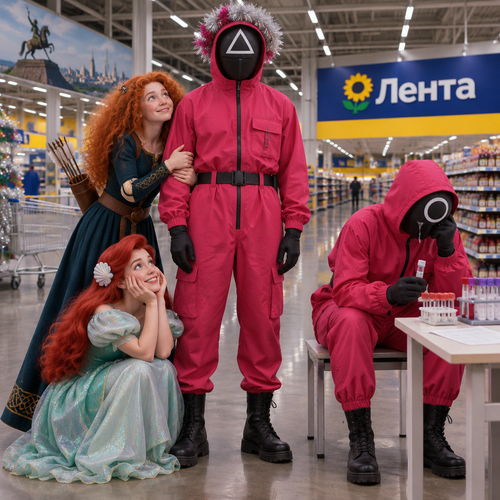
A Male fashion design. охранник из игры кальмара🔺 треугольник голове венок мишура сним мультяшная мультфильм Диснея мер...
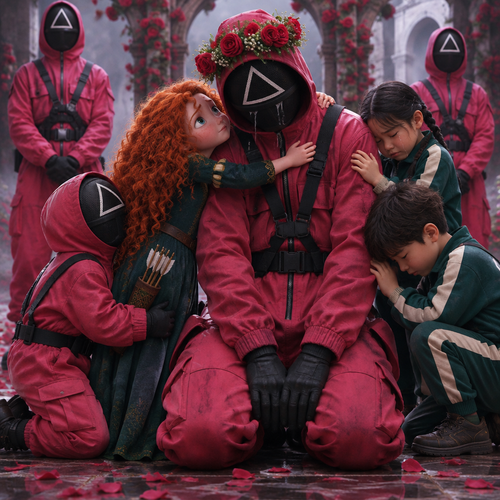
A Male fashion design. охранник из игры кальмара🔺 треугольник 🔺голове венок слезах сел на колени Уфе сним мерида мален...
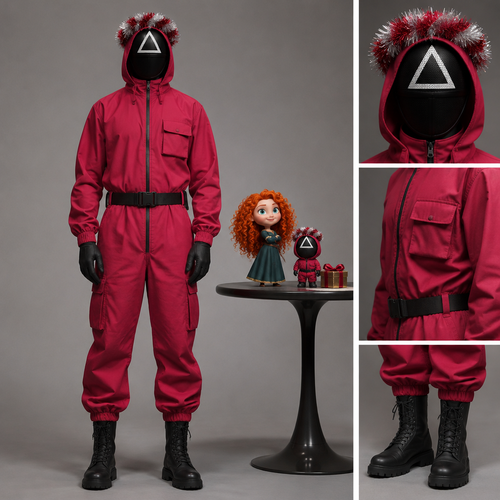
A Male fashion design. охранник из игры кальмара треугольник голове венок мишура 🔺 сним мерида маленькая мультяшная мул...
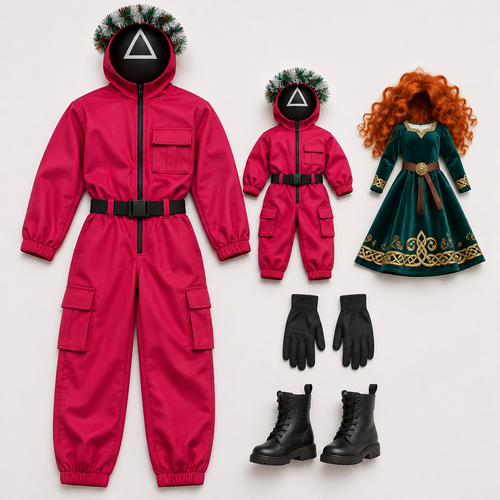
A Male fashion design. охранник из игры кальмара🔺 треугольник голове венок мишура сним маленький охранник из игры кальм...
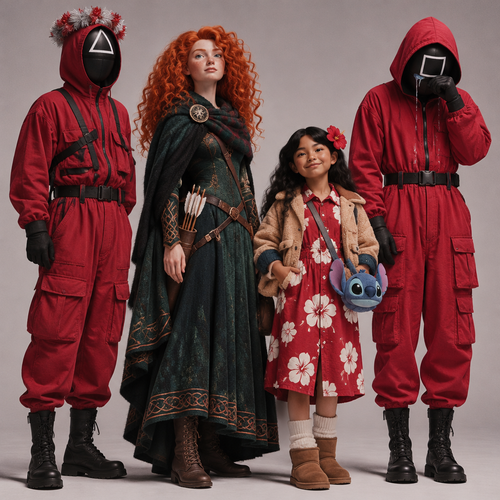
A Male Dress design, suitable for Fall. охранник из игры кальмара треугольник 🔺 голове венок мишура сним мультяшная мул...
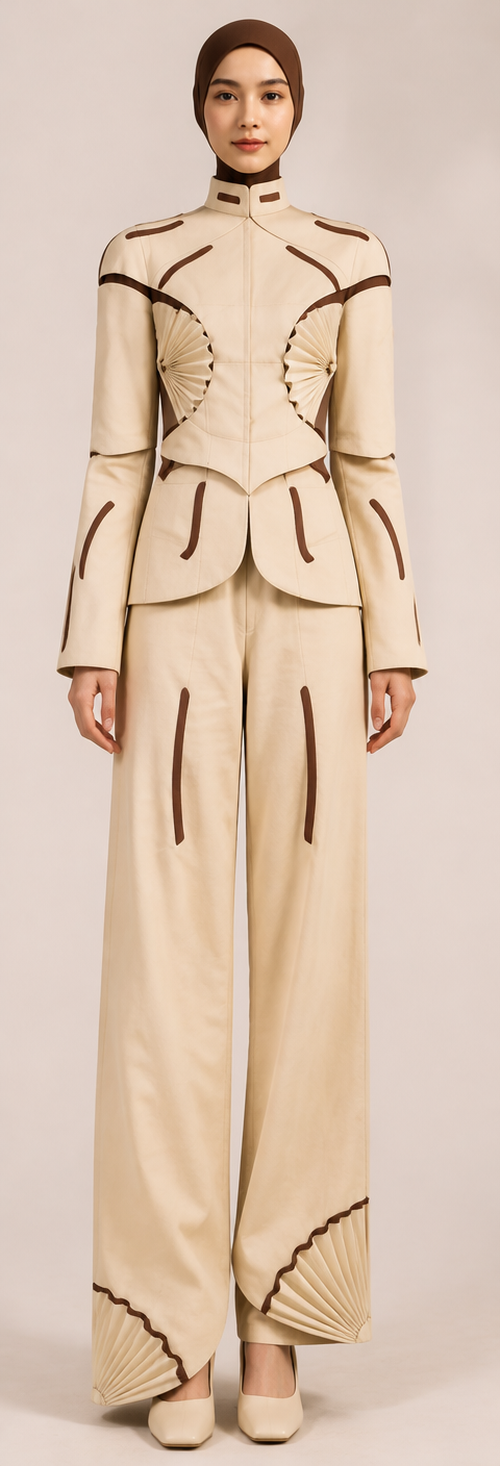
Sketch render: Create a highly realistic, professional fashion visualization based strictly on the provided fashion sket...
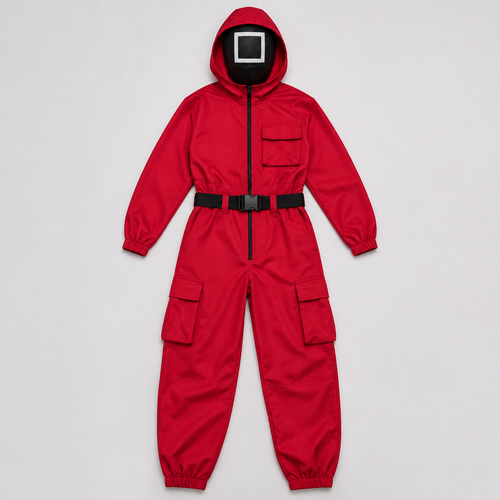
A Male fashion design. охранник из игры кальмара квадрат менеджер коасном комбинезон слезах сел на колени сним мультяшна...
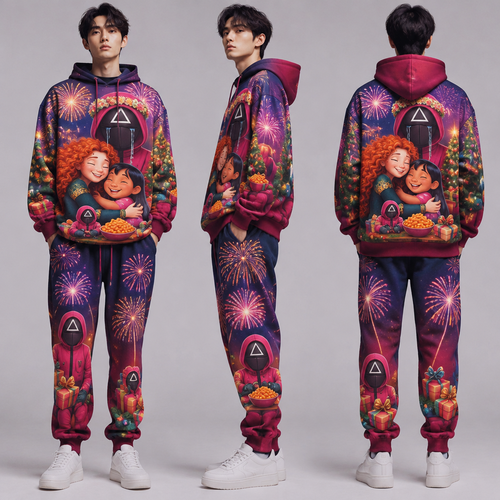
A Male fashion design. охранник из игры кальмара🔺 треугольник голове венок слезах сним мультяшная мультфильм Диснея мер...
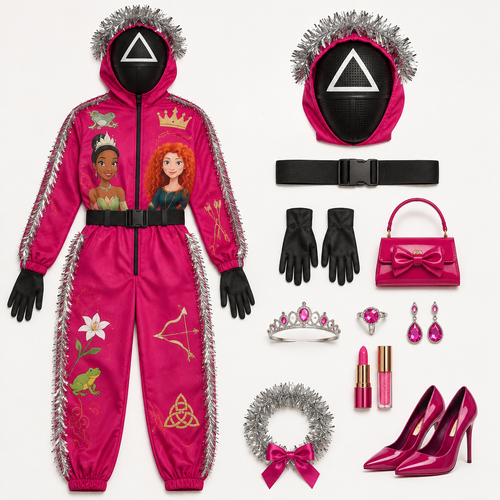
A Male fashion design. охранник из игры кальмара🔺 треугольник голове венок мишура сним мультяшная мультфильм Диснея Тиа...
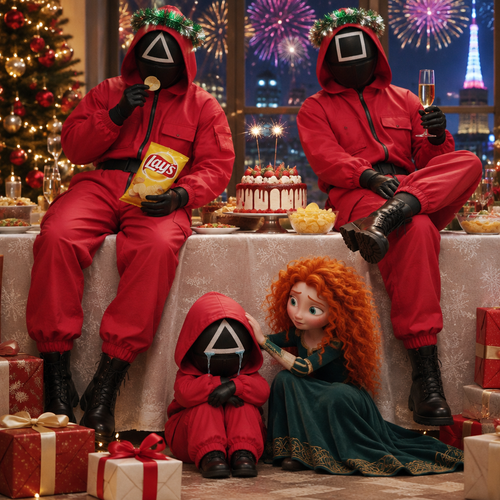
A Male fashion design. охранник из игры кальмара🔺 треугольник голове венок мишура сним охранник из игры кальмара квадра...
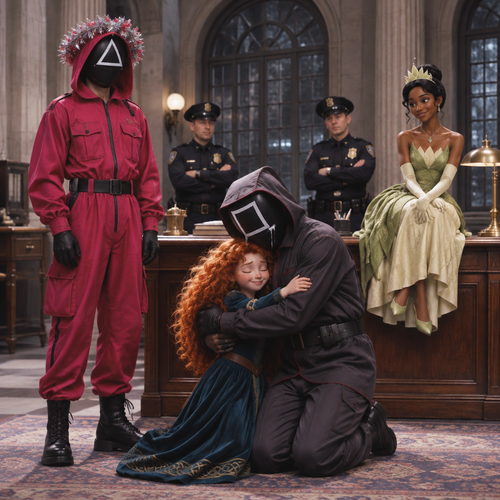
A Male Dress design, suitable for Fall. охранник из игры кальмара🔺 треугольник голове венок мишура сним охранник из игр...
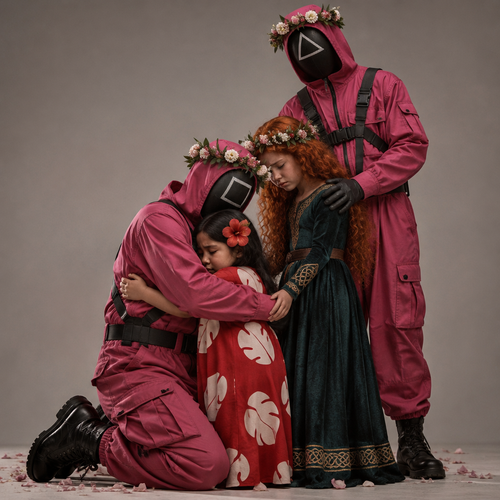
A Male fashion design. охранник из игры кальмара квадрат менеджер слезах голове венок сел на колени обнял Лило сним охра...
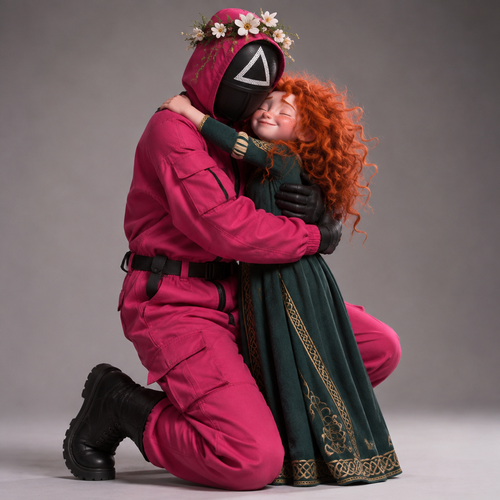
A Male fashion design. охранник из игры кальмара🔺 треугольник голове венок сел на колени обнял мериду маленькую мультяш...
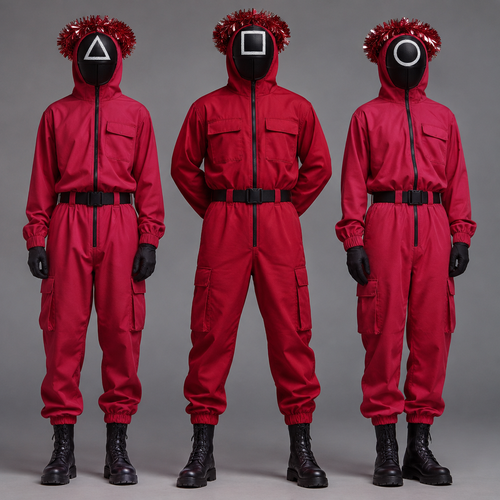
A Male fashion design. охранник из игры кальмара🔺 треугольник голове венок мишура охранник из игры кальмара квадрат мен...
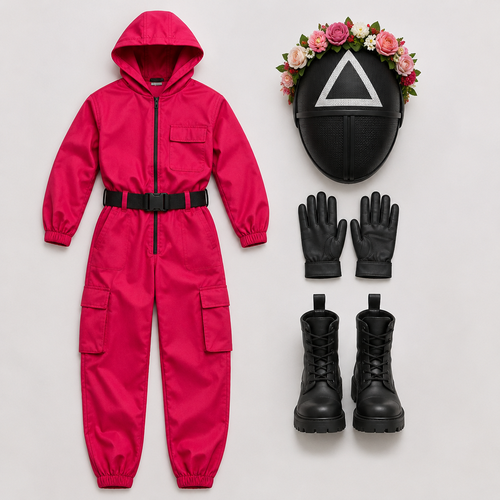
A Male fashion design. охранник из игры кальмара🔺 треугольник голове венок мультяшная мультфильм Диснея Эльвица Лина Ма...
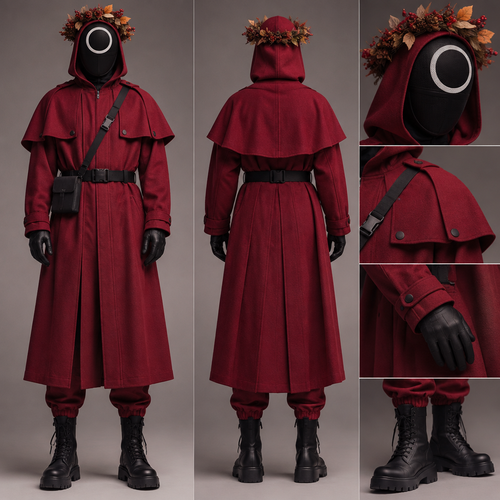
A Male Dress design, suitable for Fall. охранник из игры кальмара круг⭕ голове венок мишкра Present it as professional f...
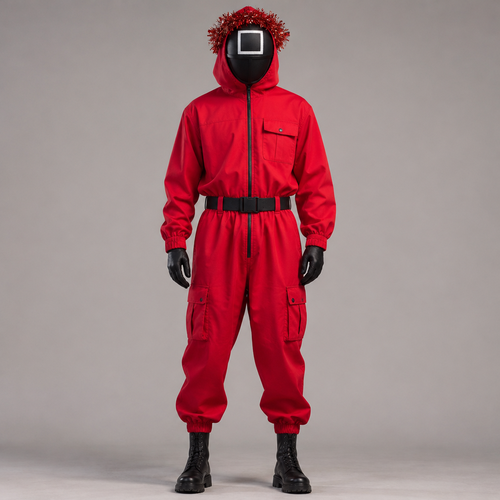
A Male fashion design. охранник из игры кальмара квадрат менеджер◼️ голове венок мишура красном комбинезон Present it as...
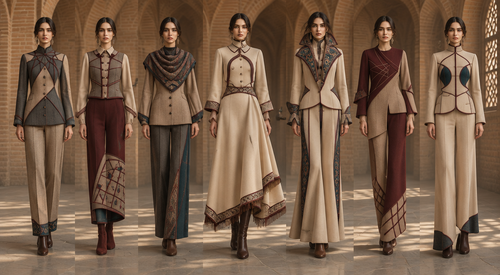
Sketch render: # MASTER PROMPT — IRANIAN HISTORICAL BAZAAR ## AUTUMN / WINTER FASHION COLLECTION Act as a senior fashio...
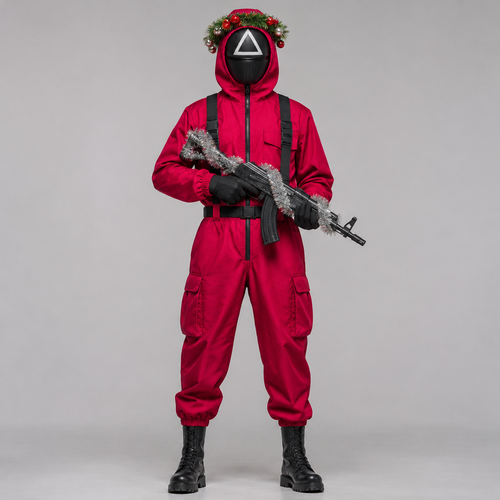
A Male fashion design. охранник из игры кальмара🔺 треугольник голове венок мишура в руках автомат Present it as profess...
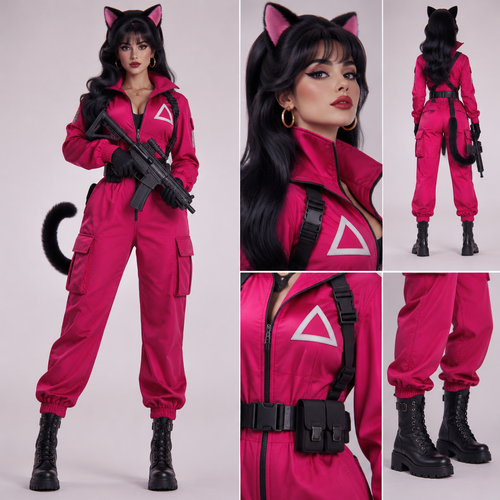
A Female fashion design. мультяшная мультфильм Диснея эльвица Лина Мах маджелина 🐈 сней охранник из игры кальмара🔺 тре...
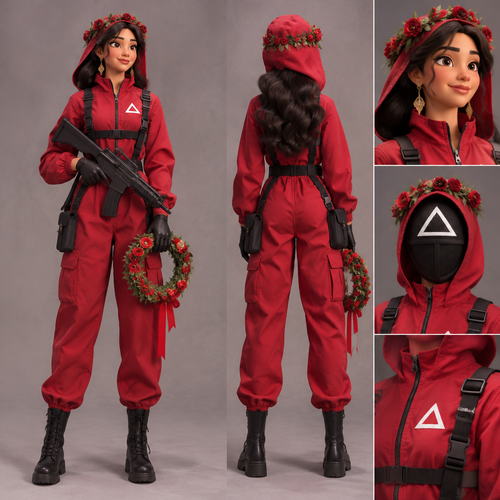
A Female fashion design. мультяшная мультфильм Диснея Эльвира Лина Мах маджина 👧 сним охранник из игры кальмара🔺 треуг...
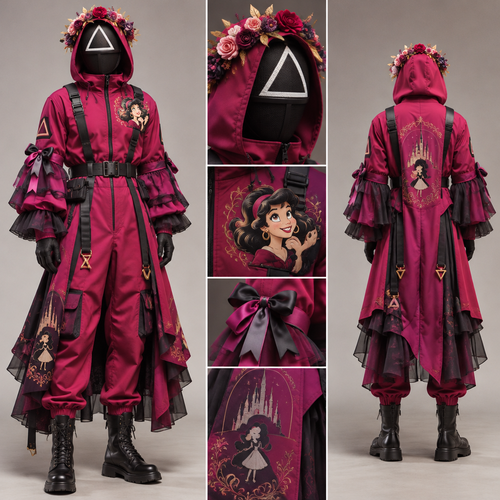
A Male Dress design, suitable for Fall. охранник из игры кальмара🔺 треугольник голове венок мультяшная мультфильм Дисне...
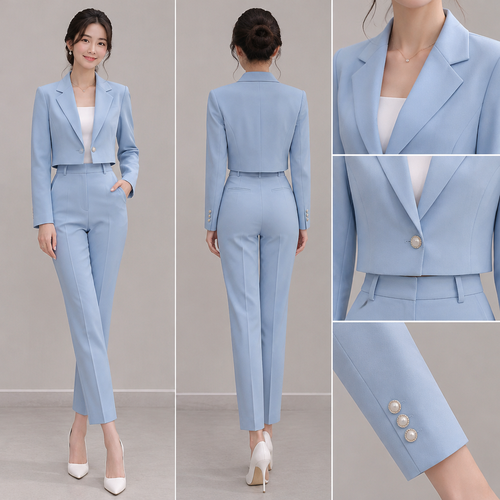
Design a sky blue suit suitable for graduation event. Let the blazer be a cropped one and the suit be slim fit for a gir...
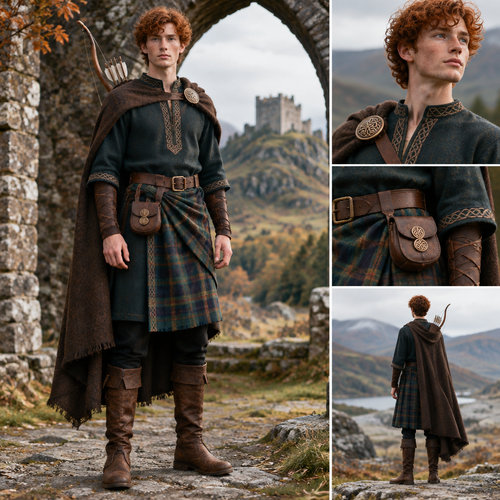
A Male Dress design, suitable for Fall. мультяшная мультфильм Диснея мерида братья троняшки 🏹 храбрая сердцем 👧 Prese...
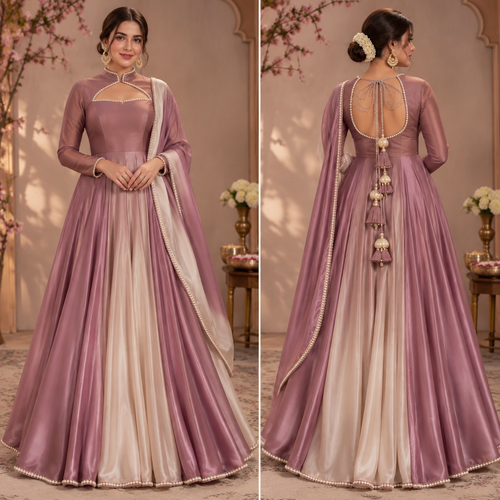
A Female Dress design, made of Silk, with a sleek, smooth finish, with a Tailored silhouette, with modest, full coverage...
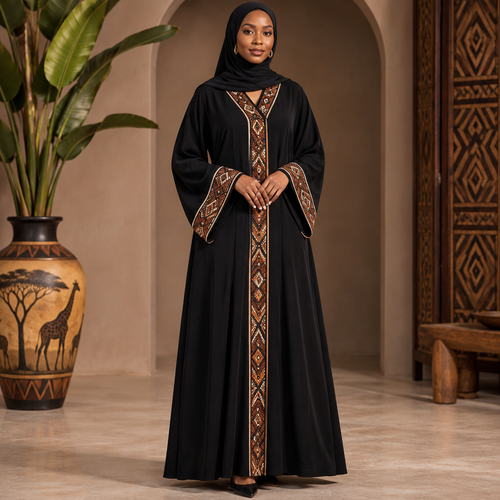
A Female Abaya design, in Classic style. Kenya fashion aesthetics. Present it as professional fashion catalogue photogra...
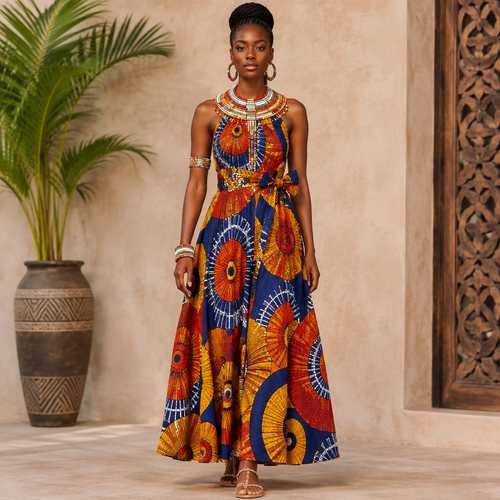
A Female Dress design, suitable for Summer. Consider Kenyan fashion — Maasai-inspired beadwork, kitenge prints, East Afr...
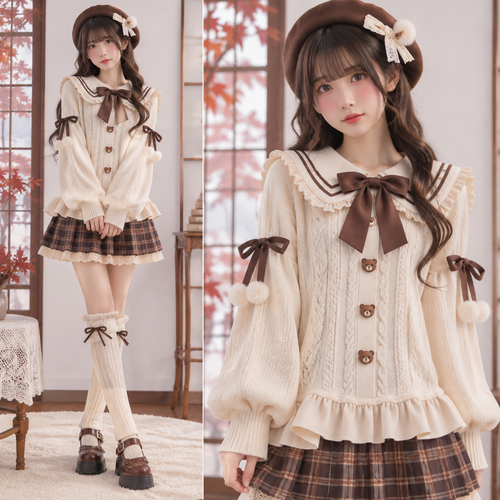
A Female Top design, suitable for Fall, in Kawaii style. Japan fashion aesthetics. Present it as professional fashion ca...
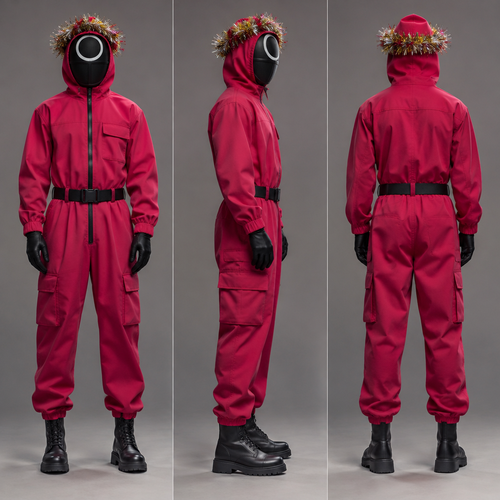
A Male fashion design. охранник из игры кальмара круг⭕ голове венок мишура Present it as professional fashion catalogue ...
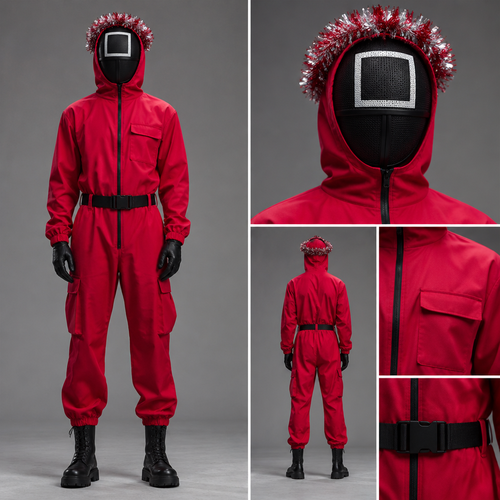
A Male fashion design. охранник из игры кальмара квадрат менеджер красном комбинезон голове венок мишура ◼️ Present it a...
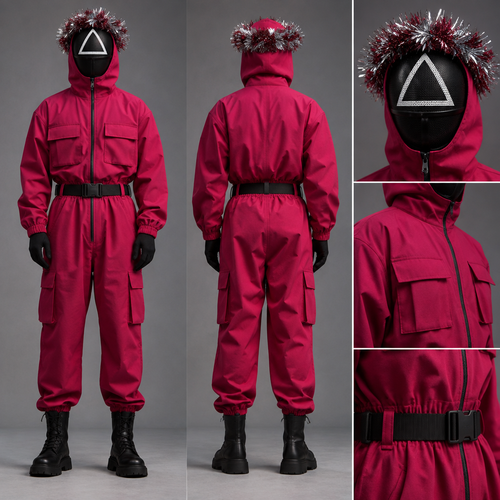
A Male Dress design, suitable for Fall. охранник из игры кальмара🔺 треугольник голове венок мишура Present it as profes...
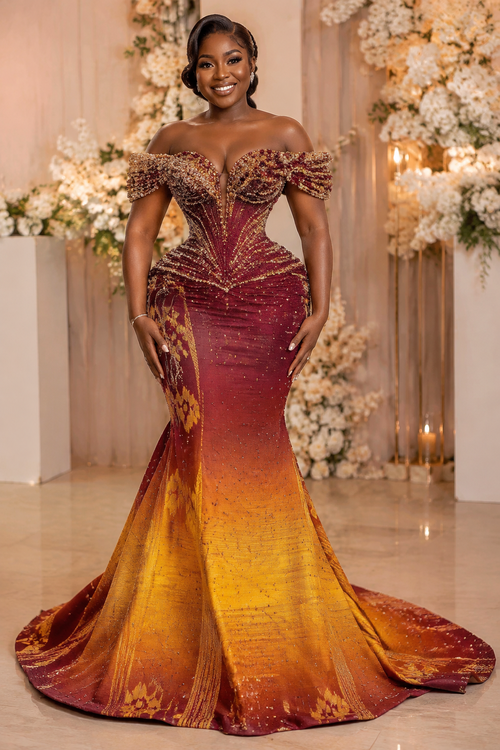
Create an ultra-realistic luxury bridal fashion photograph of a beautiful dark-skinned Ghanaian bride wearing a breathta...
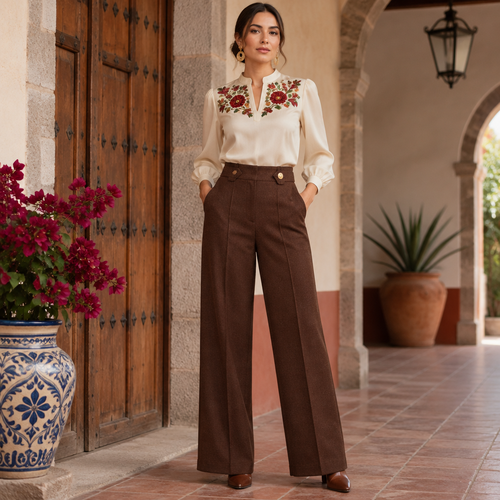
A Female Pants design, suitable for Fall, in Classic style. Mexico fashion aesthetics. Present it as professional fashio...
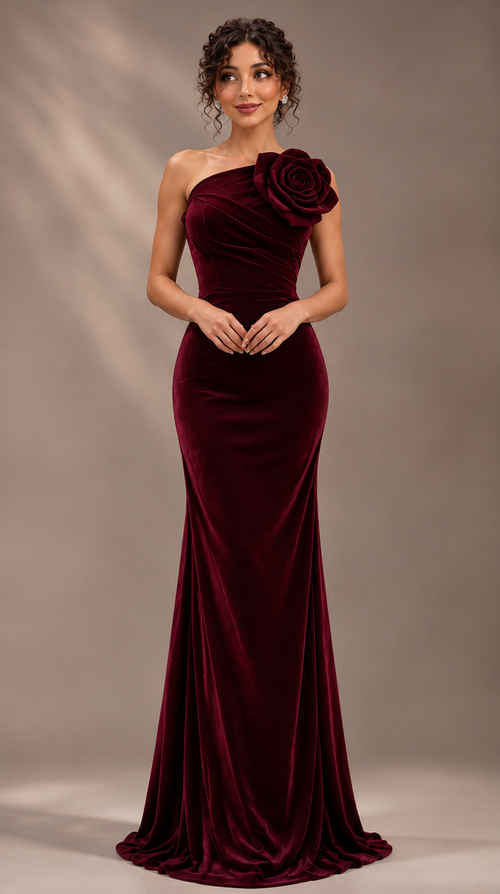
Sketch render
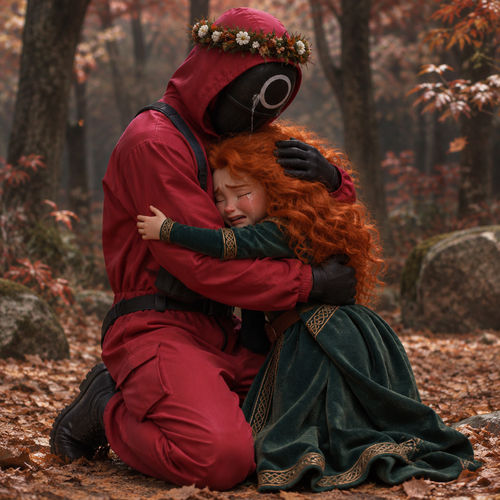
A Male Dress design, suitable for Fall. охранник из игры кальмара круг ⭕ голове венок слезах сел на колени обнял мериду ...
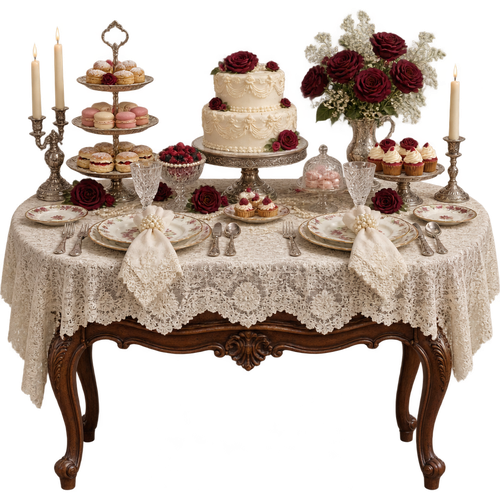
A highly realistic vintage birthday dessert table, isolated on a transparent background. An elegant dark walnut wooden t...
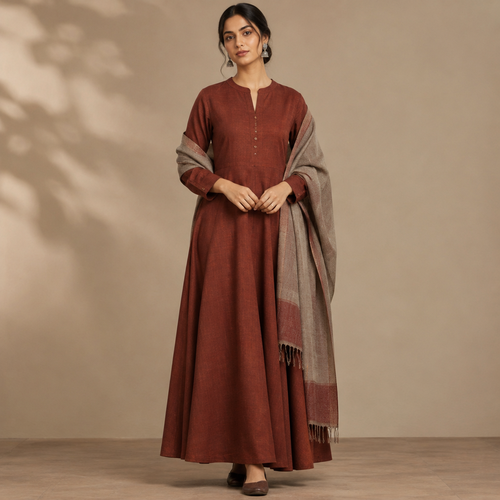
A Female Dress design, suitable for Fall, in Minimalist style. India fashion aesthetics. Present it as professional fash...
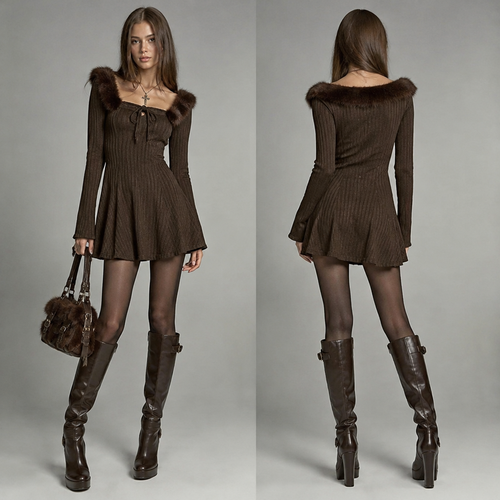
A Dress design, suitable for Fall, in Y2K style. Russia fashion aesthetics. Present it as professional fashion catalogue...
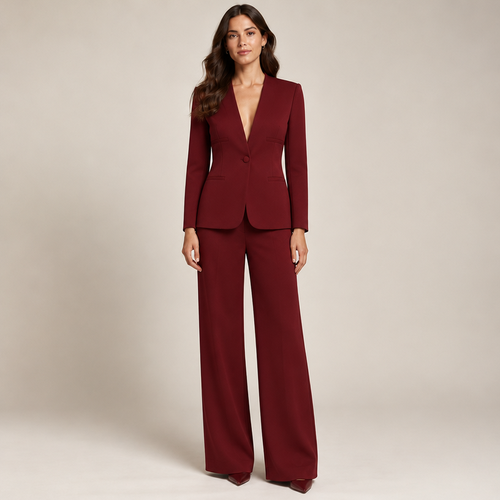
A deep wine-red, matte-finished pant suit. The blazer features a clean, collarless neckline, a deep V-neck, and is faste...
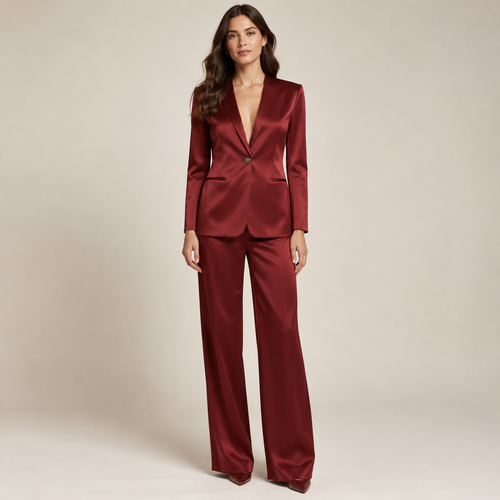
A high-fashion, professional vertical photograph (4:5 or 4:3 aspect ratio), designed as an Instagram feed post, featurin...
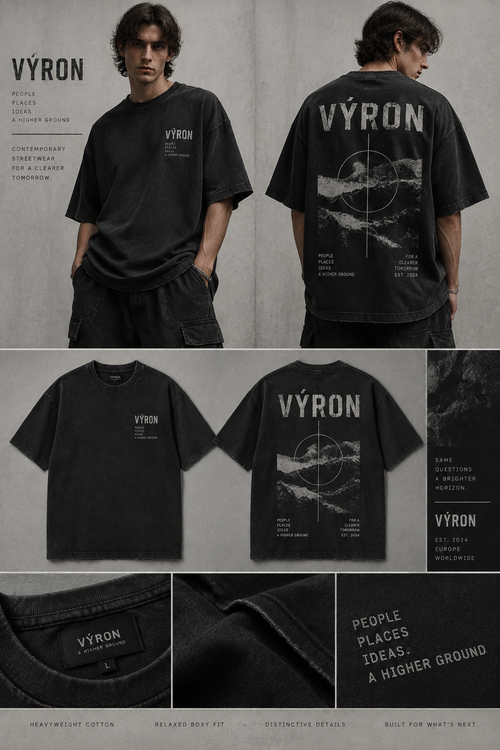
Premium contemporary streetwear fashion collection, oversized heavyweight washed black t-shirt, relaxed boxy fit, distin...
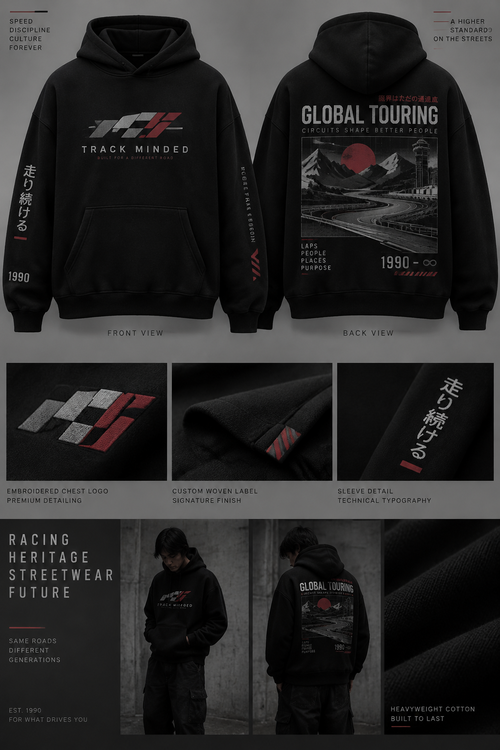
Premium motorsport streetwear oversized hoodie, deep black heavyweight cotton, inspired by Japanese racing culture and 1...