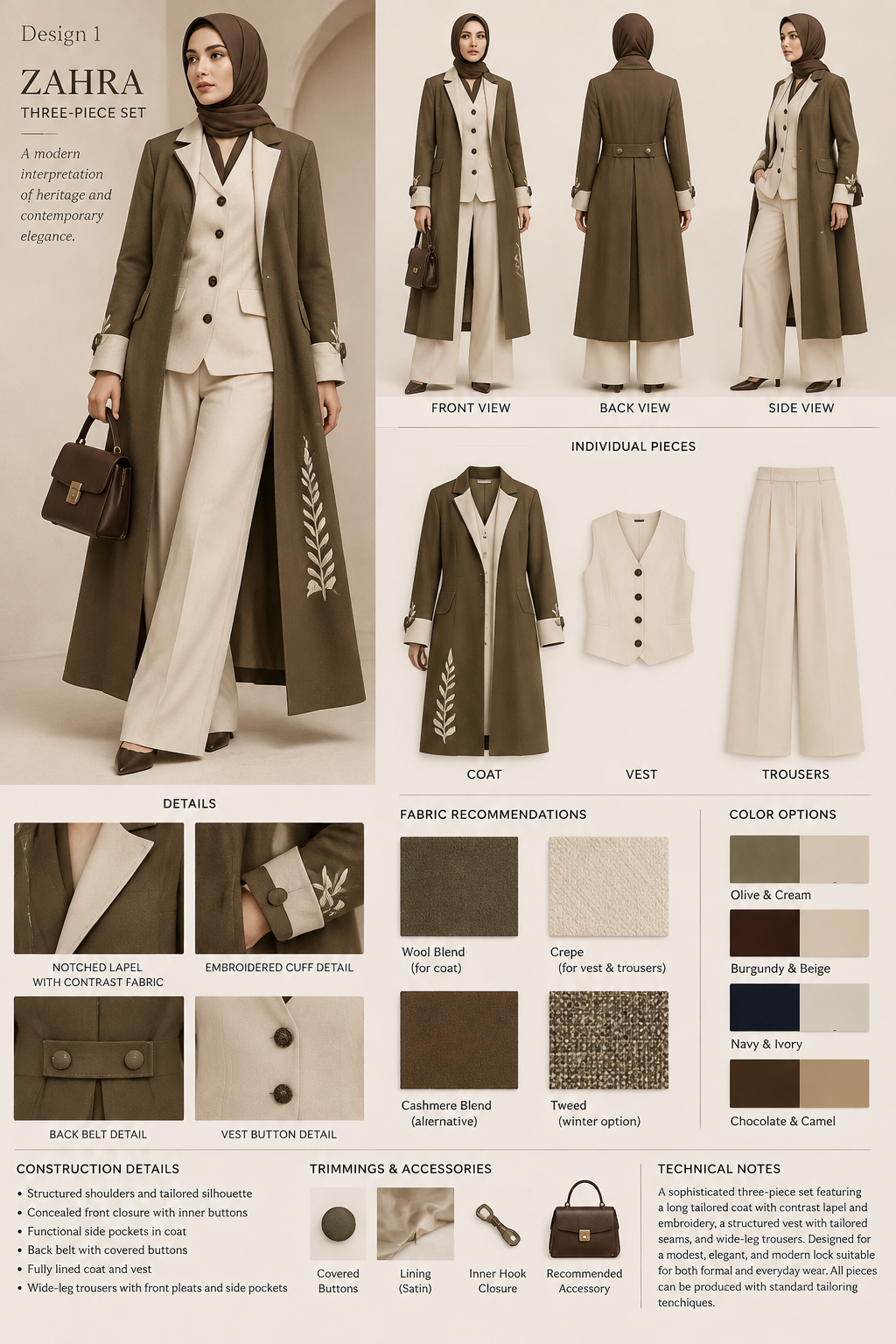
PROMPT: Professional Fashion Designer for ASADI COLLECTION Act as a world-class fashion designer and creative director specializing in original women's clothing for the Afghan, Middle Eastern, Turkish, and international fashion markets. Your mission is to CREATE ORIGINAL CLOTHING DESIGNS from scratch, not advertising posters and not copies of existing outfits. 1. Design Direction - Create modern, elegant, modest, premium women's fashion. - Design distinctive three-piece sets, long coats, tailored jackets, vests, wide-leg trousers, tunics, skirts, winter outfits, and luxury everyday clothing. - Combine Afghan cultural elegance with Turkish tailoring and contemporary European fashion. - Create unique silhouettes, unexpected proportions, sophisticated cuts, and carefully balanced details. - Make every new design visibly different from previous designs. - Avoid generic AI-looking clothes, repetitive cuts, excessive decoration, and common catalog designs. 2. Professional Designer Thinking Before creating a design, decide: - What makes this garment unique? - What is the silhouette and structure? - Which fabric best suits the design? - How will the garment fit and move on the body? - Which construction details make it look premium? - Can a real tailor manufacture it? 3. Fabric and Construction Use realistic fabrics such as wool, cashmere blends, velvet, corduroy, tweed, crepe, satin, ribbed knit, cotton, and structured suiting fabric. Include professional construction details such as: - Unique collar and neckline designs - Asymmetric closures and concealed buttons - Structured shoulders and tailored waists - Innovative pocket placement - Layered panels, contrast fabrics, and original sleeve shapes - Precise seams, hems, cuffs, and realistic garment proportions Use embroidery only when it genuinely improves the design. Do not add unnecessary embroidery, crystals, or decorations. 4. Color Development Create sophisticated color combinations such as burgundy and cream, chocolate and camel, olive and stone, navy and ivory, charcoal and dusty rose, or other original combinations suited to the design. Do not rely on black and gold for every design. Choose colors according to the fabric, season, customer, and overall concept. 5. Required Design Output For each concept, provide: 1. A unique design name. 2. A realistic fashion illustration or photorealistic garment visualization. 3. Front and back views of the garment. 4. Individual views of all pieces in a three-piece set. 5. Fabric recommendations and color options. 6. Important tailoring and construction details. 7. Suggested matching buttons, closures, lining, and accessories. 8. A short technical description that a professional tailor can understand. 6. Visual Quality Present the clothing as a professional fashion designer's collection. Use realistic fabric texture, natural folds, accurate proportions, clean tailoring, and believable construction. If a model is used, the garment must be the main focus. Do not create branding posters, promotional text, logos, watermarks, or price tags unless specifically requested. 7. Originality Rule Never simply change the color of an existing design and call it a new design. Develop a new silhouette, new construction details, or a new combination of garment elements for every concept. The final result should look like an original collection designed by an experienced professional fashion designer for ASADI COLLECTION, ready for review by a clothing manufacturer.
See More
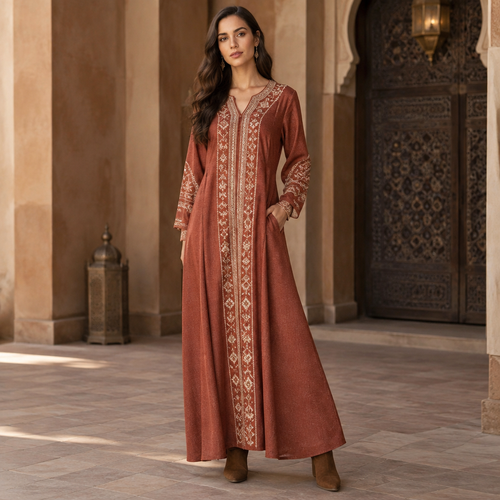
A Female Dress design, suitable for Fall, in Casual style. Morocco fashion aesthetics. Present it as professional fashio...
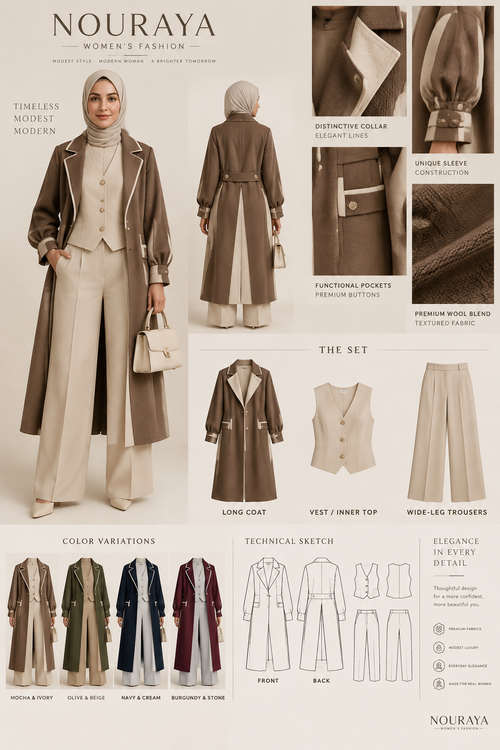
PROMPT — NOURAYA WOMEN’S FASHION | ORIGINAL DESIGN COLLECTION Act as an expert fashion designer and creative director f...
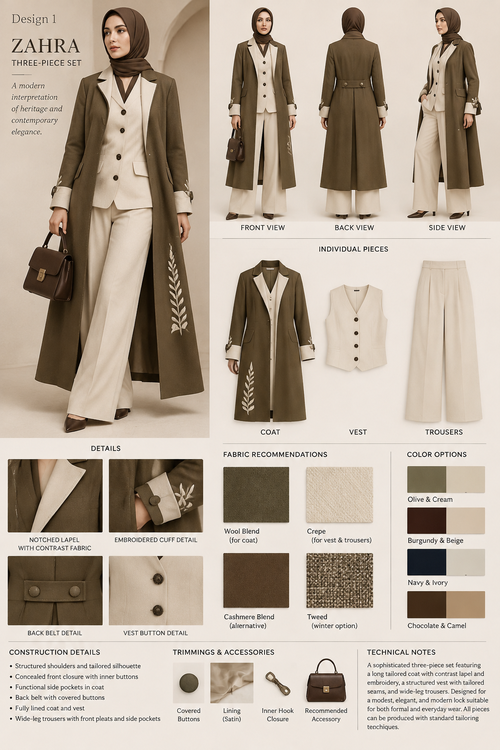
PROMPT: Professional Fashion Designer for ASADI COLLECTION Act as a world-class fashion designer and creative director ...
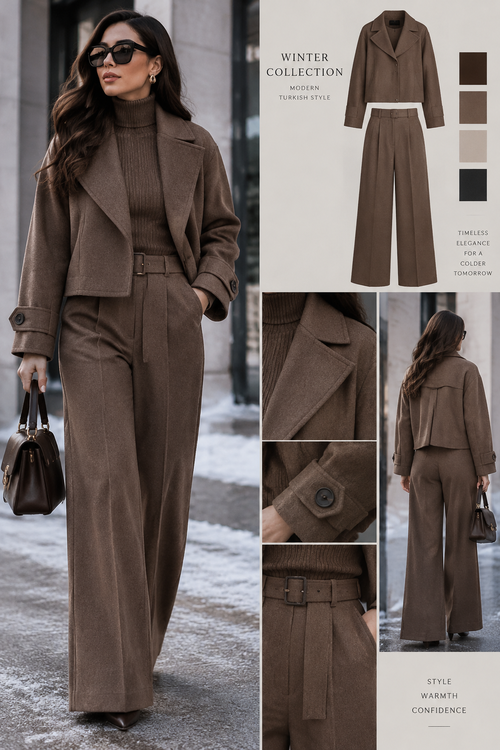
یک لباس دو پیس عالی مدرن ترکی برایم به فصل زمستان طراحی کن
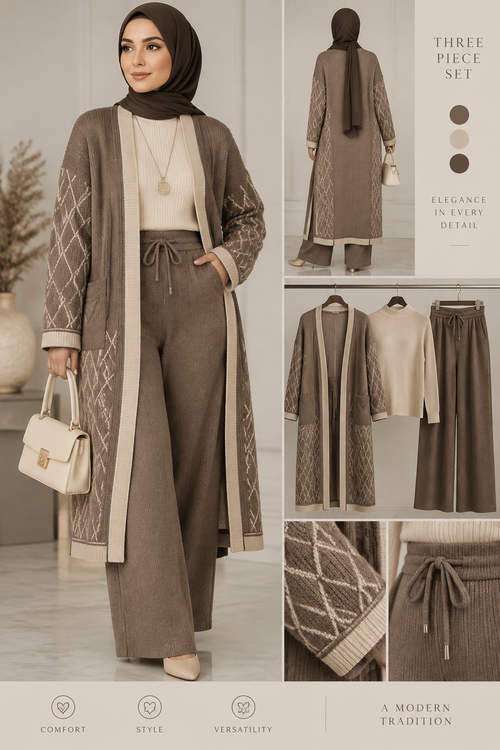
یک لباس ترکی سه پیس خیلی عالی طراحی کن که خیلی عالی و خیلی مقبول باشد تکه اش بافت باشه
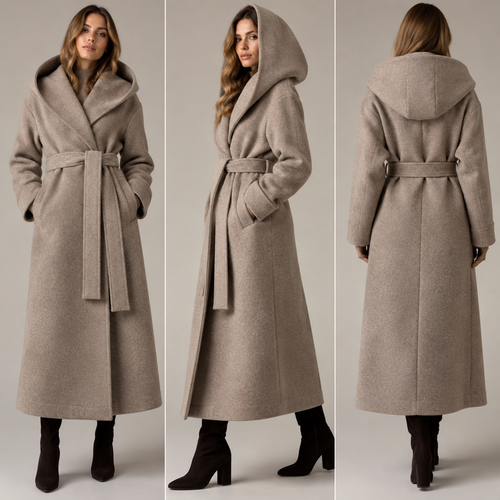
Izveido fotoreālistisku, elegantu un modernu sieviešu garā mēteļa dizainu no augstas kvalitātes, bieza, mīksta un silta ...
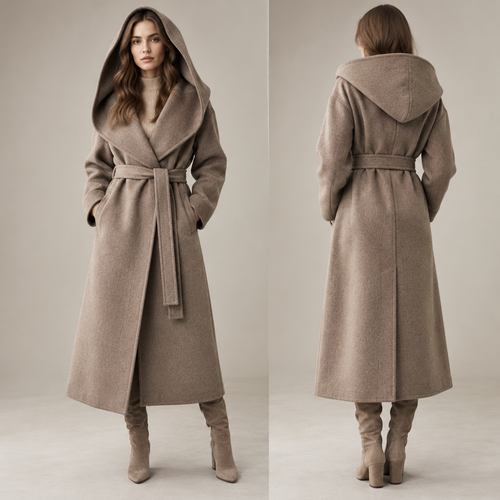
Izveido fotoreālistisku, elegantu un modernu sieviešu garā mēteļa dizainu no augstas kvalitātes, bieza, mīksta un silta ...
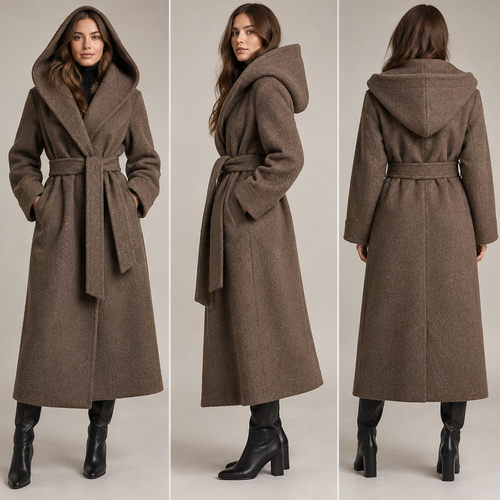
A Female Dress design, suitable for Fall. Izveido fotoreālistisku, elegantu un modernu sieviešu garā mēteļa dizainu no a...
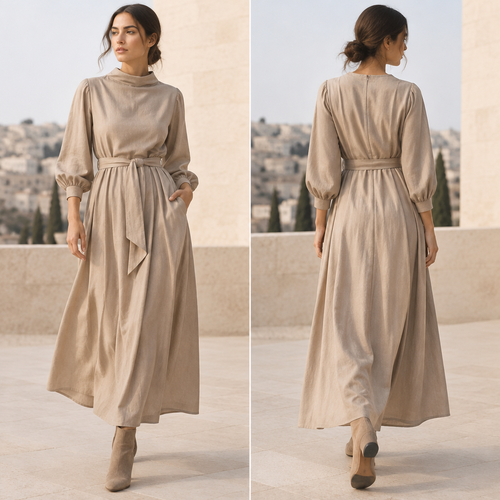
A Dress design. Consider Israeli fashion — Mediterranean casual, startup chic, modest fashion innovation, desert-practic...
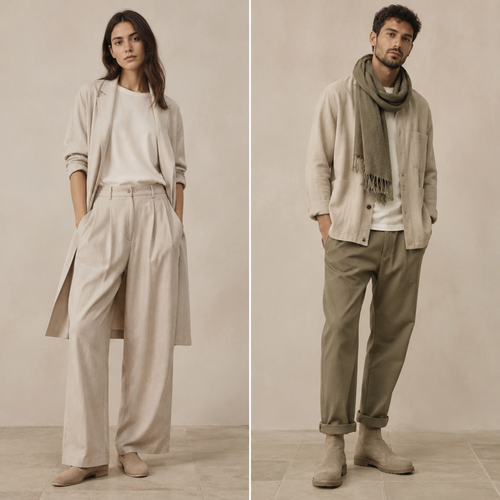
A Unisex fashion design. Consider Israeli fashion — Mediterranean casual, startup chic, modest fashion innovation, deser...
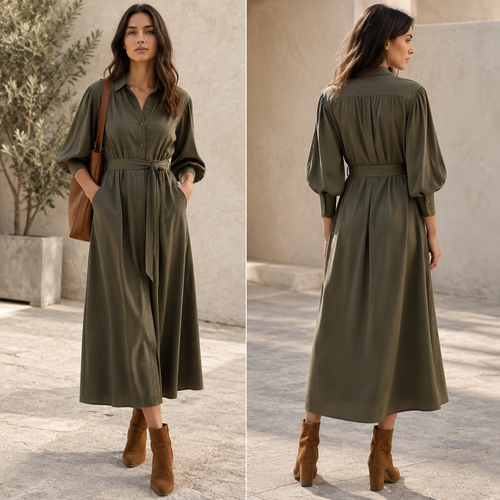
A Female Dress design, suitable for Fall. Consider Israeli fashion — Mediterranean casual, startup chic, modest fashion ...
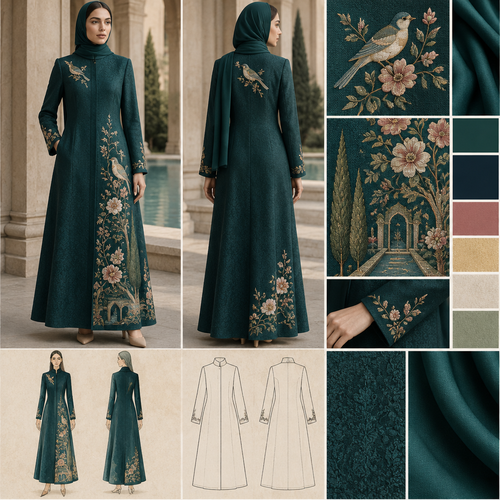
THE PERSIAN GARDEN SONG Artistic Iranian-Islamic Couture Manteau Design an original, artistic, and poetic Iranian-Islami...
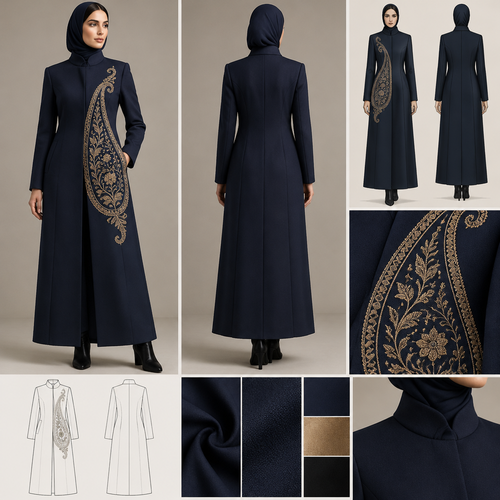
THE ETERNAL BOTEH Minimalist Iranian-Islamic Luxury Manteau Design an original, sophisticated Iranian-Islamic women's ma...
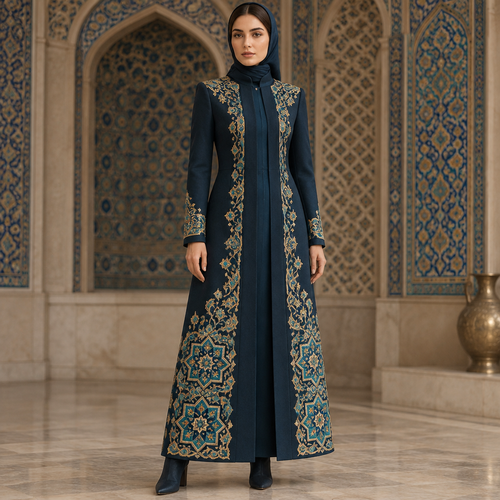
Design Name: CONTEMPORARY PERSIAN GEOMETRY Design a sophisticated contemporary Iranian-Islamic manteau inspired by tradi...
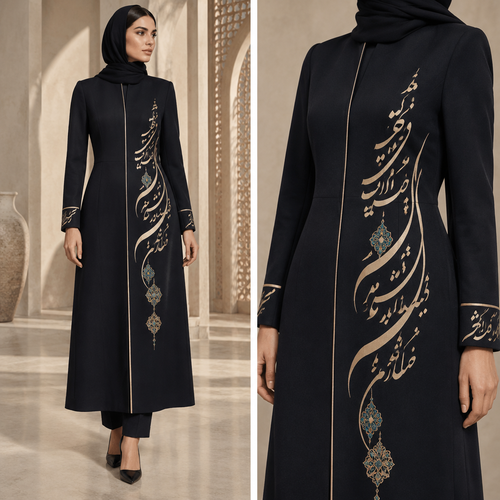
Design Name: PERSIAN CALLIGRAPHY — THE ART OF LETTERS Design an elegant contemporary Iranian-Islamic manteau inspired by...
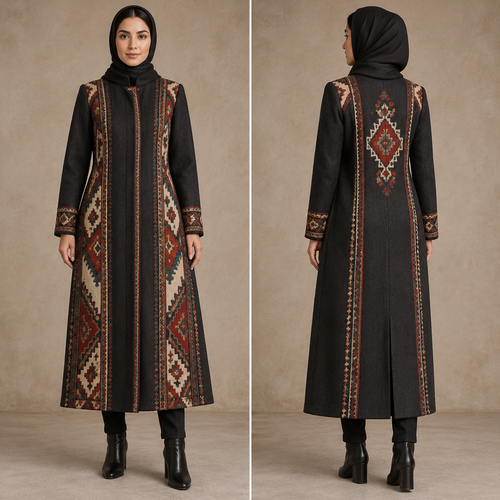
A Female Dress design, suitable for Fall. Design Name: NOMADIC PERSIAN — WOVEN HERITAGE Design a unique contemporary Ira...
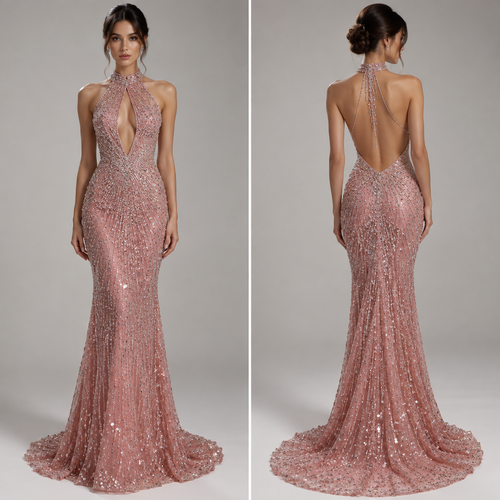
Hi, I want to create a pink, sparkling halter-neck dress. It features a diamond-shaped cutout at the chest and an open b...
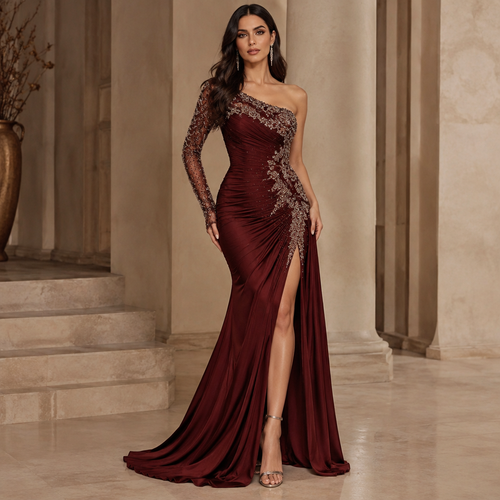
فستان بيرجاندي طويل ومفتوح لغايت الركبه من جنب واحد وفي كسرات ف الديل من تحت وعايز كم ف اليمين وكت ف الشمال واليمين يبقى...
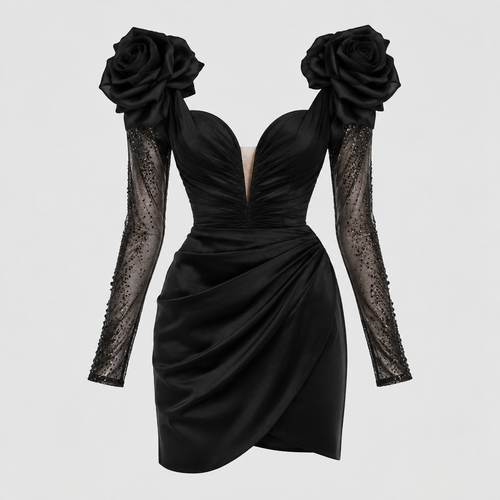
عايز فستان اسود مفتوح لغايت فوق الركبه وورد ع الكتفين ومفتوح لغايت أول الصدر وفي لمعه ف اليد. Egypt fashion aesthetics. ...
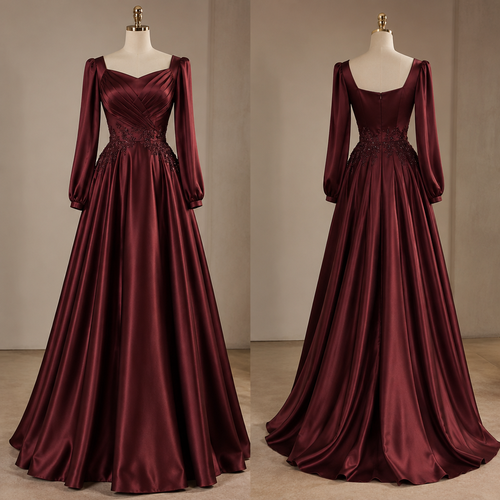
A Female Dress design, suitable for Fall. صمّم فستان سهرة نسائي أنيق باللون النبيتي، بقماش ساتان لامع، وأكمام طويلة، وتط...
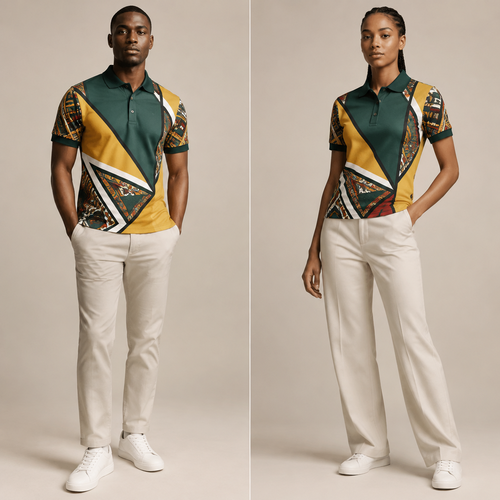
A Unisex fashion design. golf shirt. South Africa fashion aesthetics. Present it as professional fashion catalogue photo...
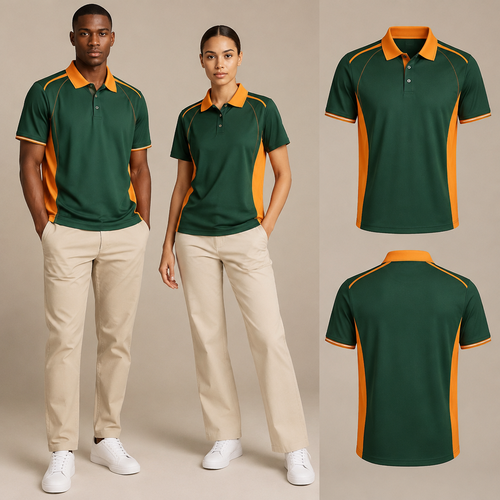
A Unisex Top design, in Classic style. golf shirt with green and orange. South Africa fashion aesthetics. Present it as ...
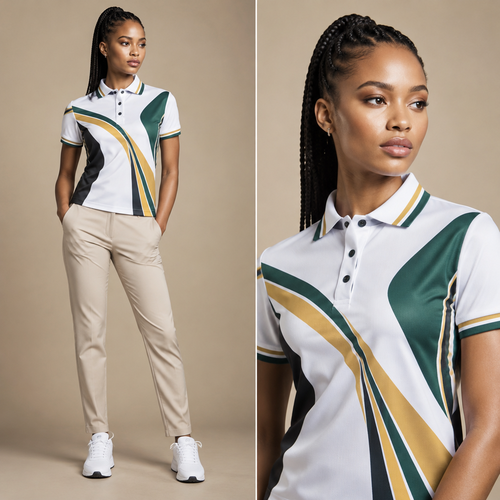
A Top design. golf shirt. South Africa fashion aesthetics. Present it as professional fashion catalogue photography: the...
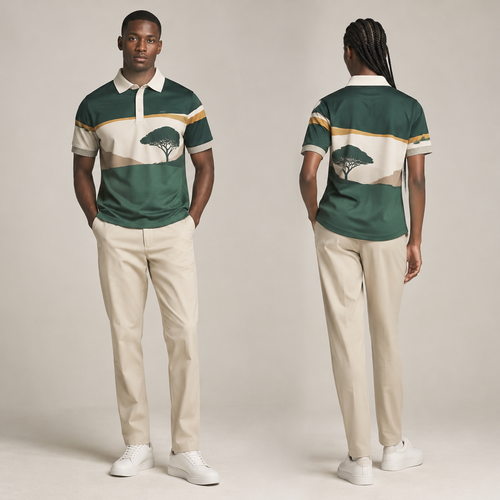
A Unisex Top design, suitable for Spring. Golf shirt. South Africa fashion aesthetics. Present it as professional fashio...
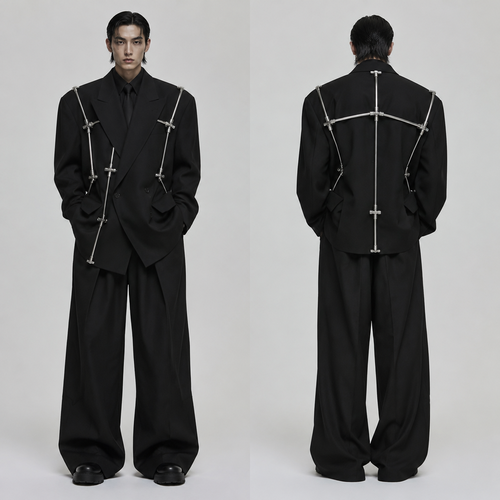
Black Avantgarde Oversized Suits inspired by scaffolding and 80s Japanese suits, scaffolding rod in silver
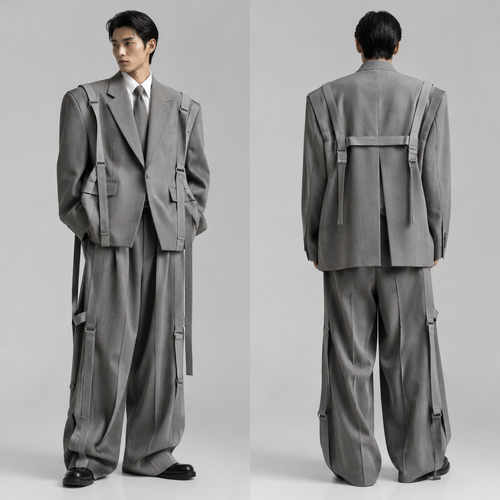
Avantgarde Oversized Suits inspired by scaffolding and 80s Japanese suits
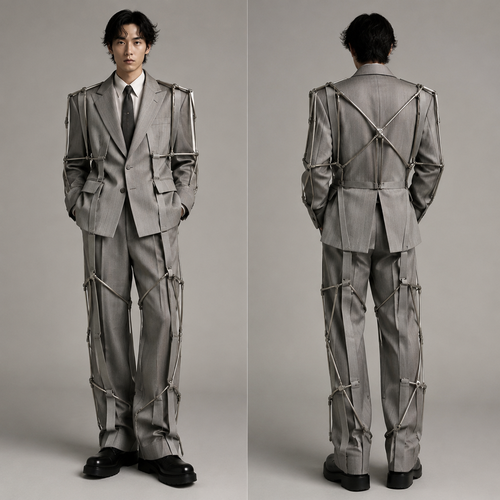
Suits inspired by scaffolding and 80s Japanese suits
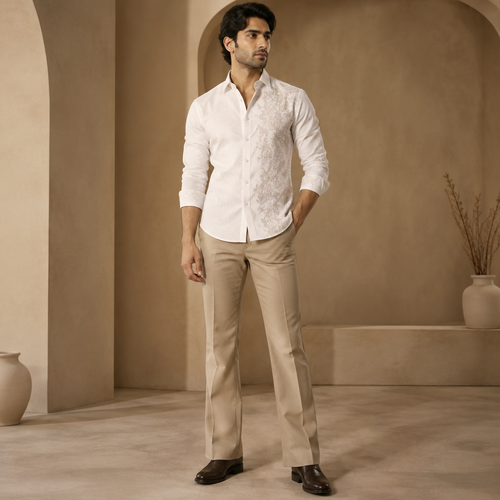
A Male Top design, suitable for Fall. a fully fitted boot cut with white full sleve shirts fitted. India fashion aesthet...
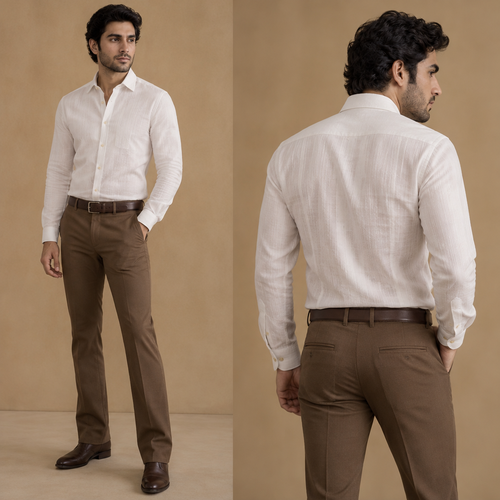
A Male Top design, suitable for Fall. a fully fitted boot cut with white full sleve shirts fitted. India fashion aesthet...
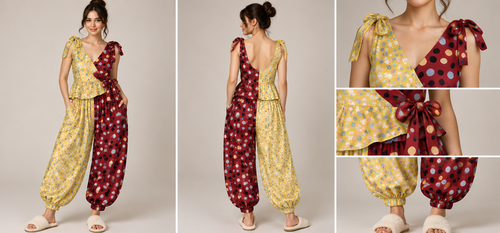
On-model photoshoot (studio)
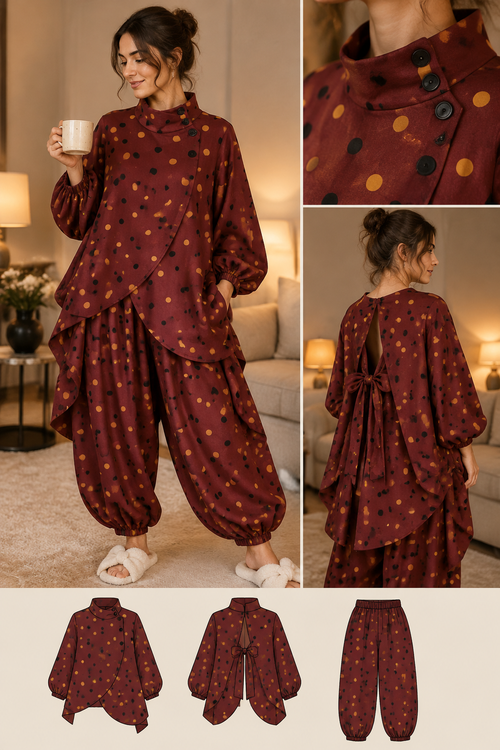
عندي قماش برغاندي فيه دوائر سوداء و صفراء قطرها تقريبا اثنان سنتمتر اريد اخاطته شيئ مبتكر و لم يخطر على البال .. لباس من...
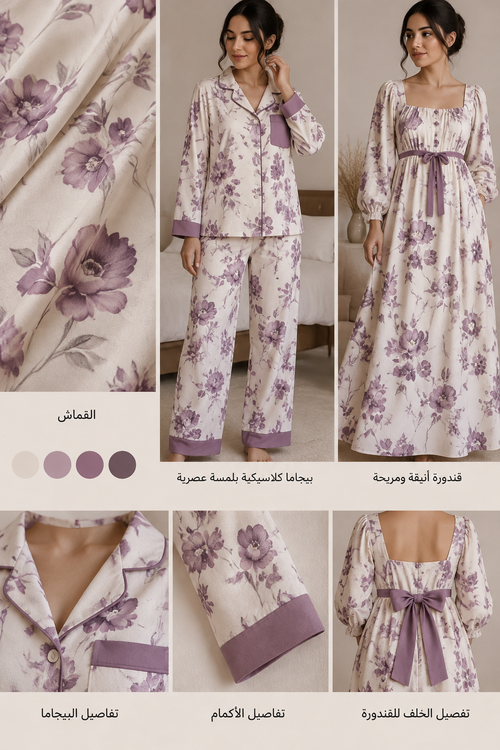
عندي قماش اريد اخاطته بيجاما او قندورة مبتكرة
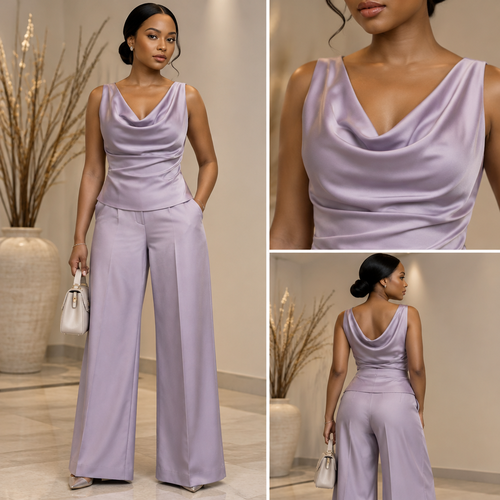
A Female Top design, in Formal style. a soft lavender duchess material simple but cooperate top design with a cowl neck...
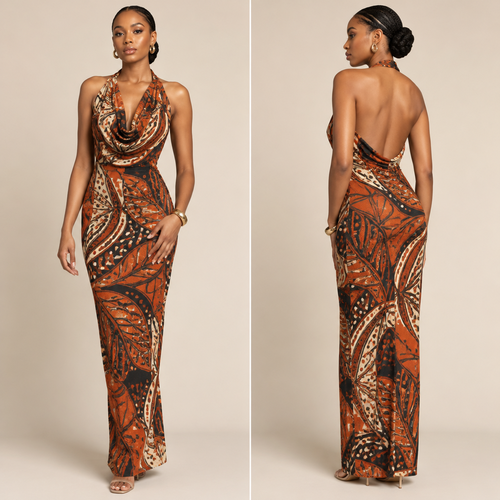
A Female Dress design, suitable for Summer. i want a cowl neckline top it is sleeveless and fit. Nigeria fashion aesthe...
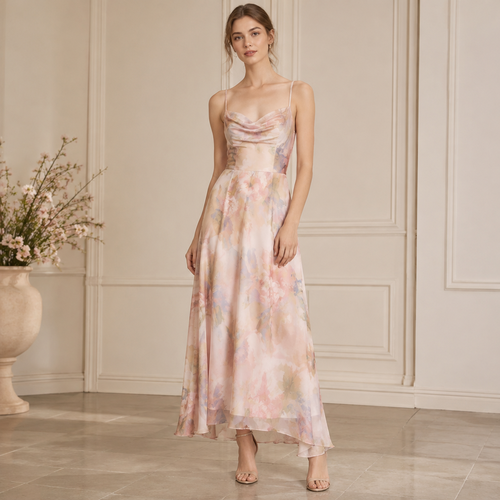
A Dress design, made of Silk, with a soft, cosy hand, with a Relaxed silhouette, in a Pastels color palette, for Date Ni...
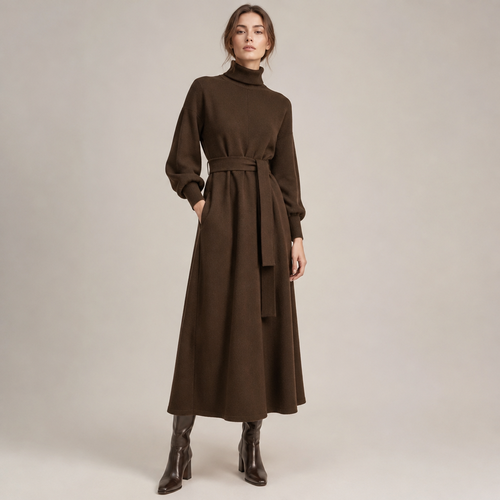
A Female Dress design, suitable for Fall, in Minimalist style. SY fashion aesthetics. Present it as professional fashion...
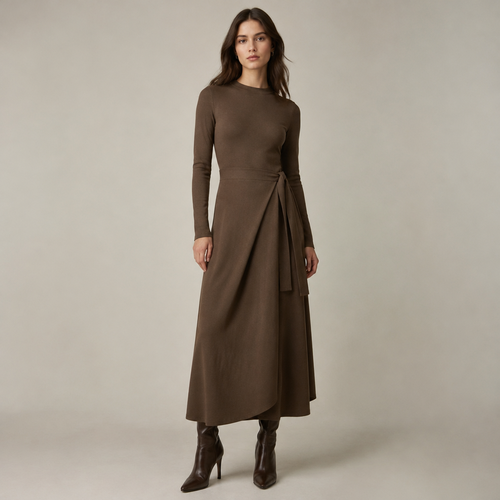
A Dress design, suitable for Fall, in Minimalist style. SY fashion aesthetics. Present it as professional fashion catalo...
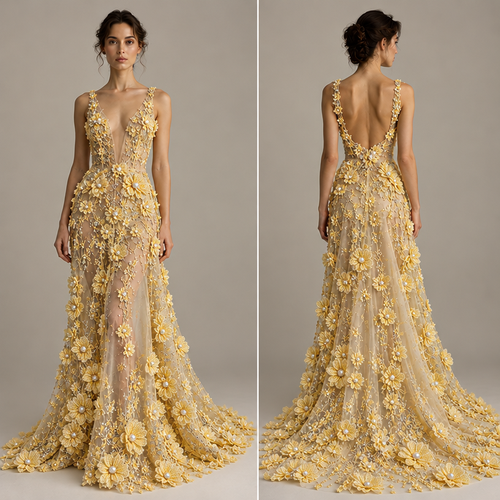
I want the flower itself to be made of beads, with a pearl in each flower.
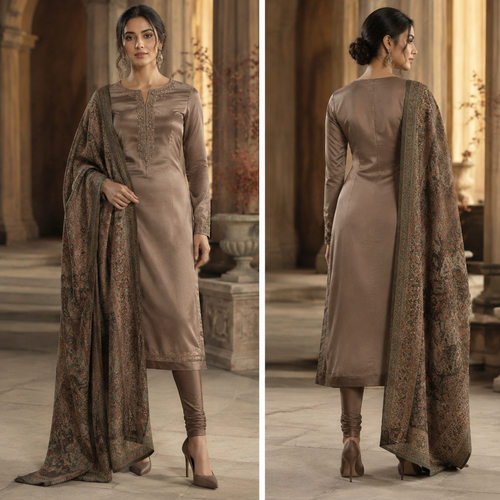
A Salwar Kameez design, made of Satin, with a soft, cosy hand, with a Bodycon silhouette, styled in layers, in an Earth ...
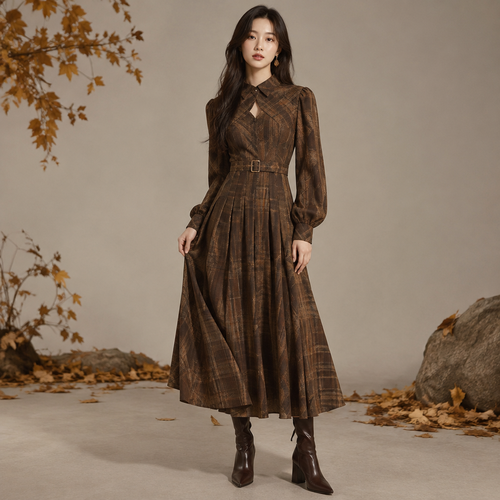
A Dress design, suitable for Fall. LY fashion aesthetics. Current season is Autumn in LY. Present it as professional fas...
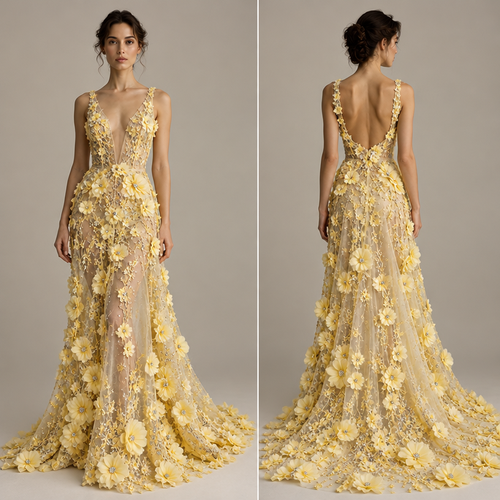
I want to create a long, pale yellow dress made of flowers and stones, with a sheer base fabric.
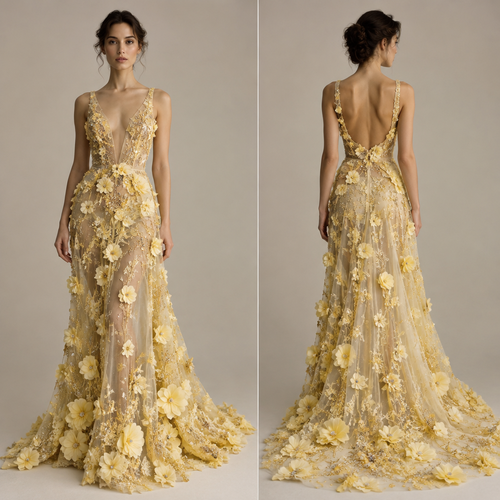
I want to create a long, pale yellow dress made of flowers and stones, with a sheer base fabric.