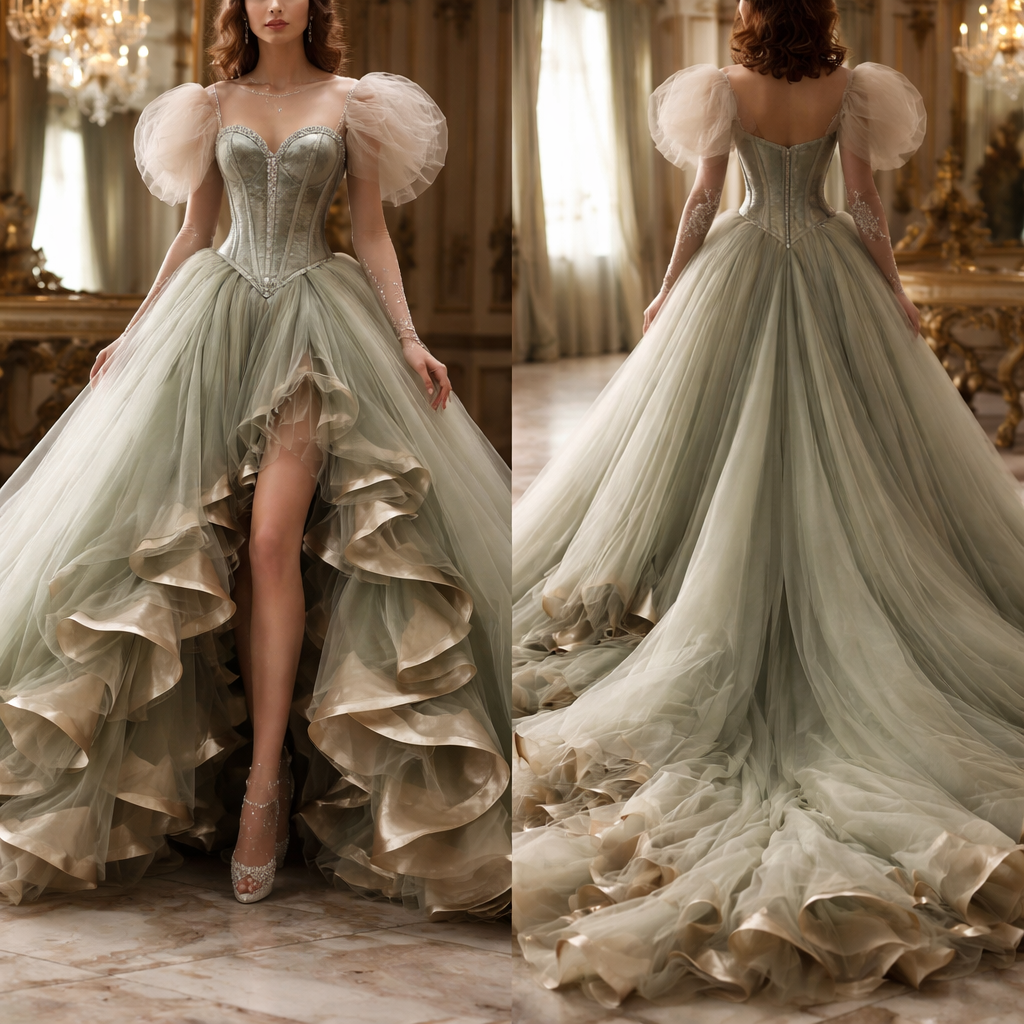
This dress looks like it was designed by someone who understands both ballet and warfare. It’s soft, romantic, airy — and then it absolutely dominates the space . The bodice is structured and architectural. It’s a corset silhouette with defined cup seams, almost vintage lingerie-inspired but elevated. The color shifts between muted sage green and a silvery pistachio depending on the light. The boning lines are visible — not harsh, but deliberate — giving it that disciplined, cinched waist energy. Along the neckline there’s a delicate trim, subtle, possibly beaded or finely stitched, giving it a whisper of ornamentation rather than loud sparkle. The sleeves are barely sleeves — more like soft explosions of blush-toned tulle perched on the shoulders. They puff outward in airy clouds, translucent and weightless, like someone froze a sigh mid-air. They contrast beautifully with the structured bodice: discipline meeting softness. Then the skirt. The skirt is where things become theatrical. It cascades in layers of sage green tulle, but it’s not a simple layered ball gown. The underskirt erupts into massive, spiraling ruffles edged in a champagne-blush satin. These ruffles curl and fold like ocean waves caught in slow motion. They are dramatic and sculptural, not floppy — they hold shape, they command attention. The champagne edging catches the light differently than the matte sage tulle, creating this constant interplay between sheen and softness. The front of the skirt lifts slightly to reveal the architectural ruffle work beneath — almost like a theatrical curtain being pulled back. The back extends into a subtle train, not aggressively long, but enough to feel ceremonial. The hemline ripples. Every edge seems intentionally finished, nothing raw, nothing accidental. On the arms, there are what appear to be pearl or bead-embellished gloves or arm sleeves. They’re translucent and studded, like someone dipped mesh in constellations. That detail pushes it from “romantic ball gown” into something editorial — almost couture fantasy. Color-wise, the palette is restrained but emotionally rich: muted sage green, dusty blush, champagne satin. No harsh contrast. Everything feels aged slightly, like it belongs in a grand old European opera house or in a painting where the varnish has mellowed over time. The overall silhouette is exaggerated hourglass at the top and then pure drama below. It’s not modern minimalist. It’s not bridal in a traditional sense. It feels like a cross between Marie Antoinette, a forest nymph, and a high-fashion runway piece that costs more than a house. This is not a dress you wear casually. This is a dress you arrive in. It suggests chandeliers, marble floors, orchestral swells, and people turning their heads before they even realize why. It’s romantic but not sweet. Soft but not weak. A gown that understands drama without screaming for it.
More Balletcore
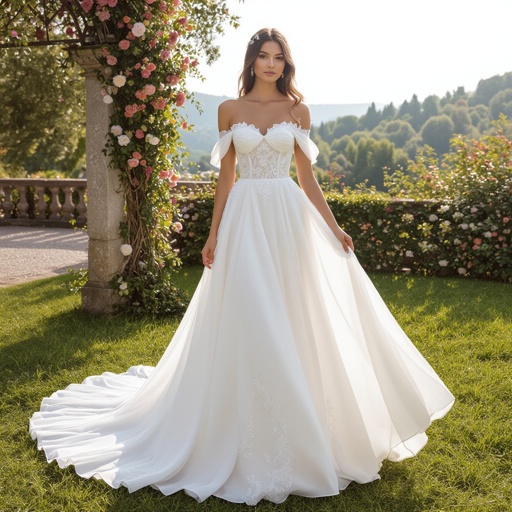
Sleeping beauty inspired wedding dress
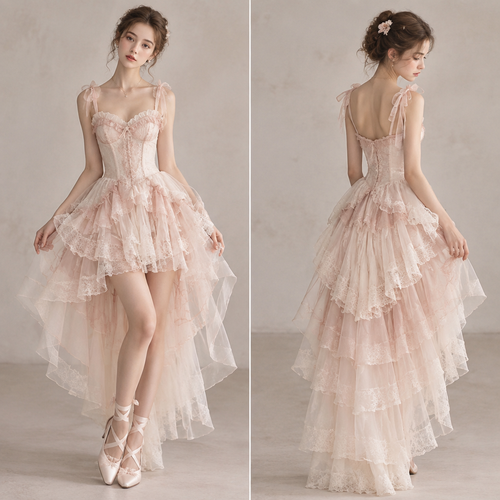
A Female Dress design, suitable for Spring, in Balletcore + Princesscore + Lace style, shown on a model with a petite fi...
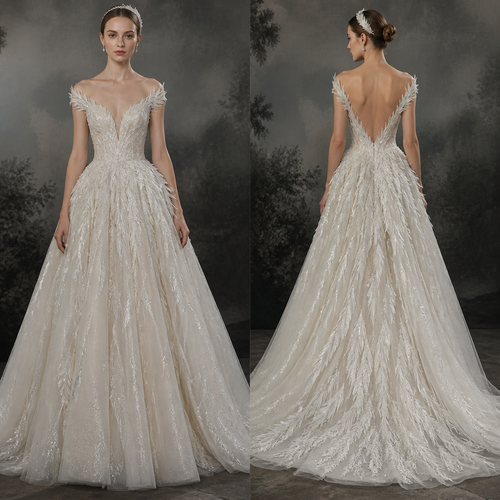
Swan lake wedding dress
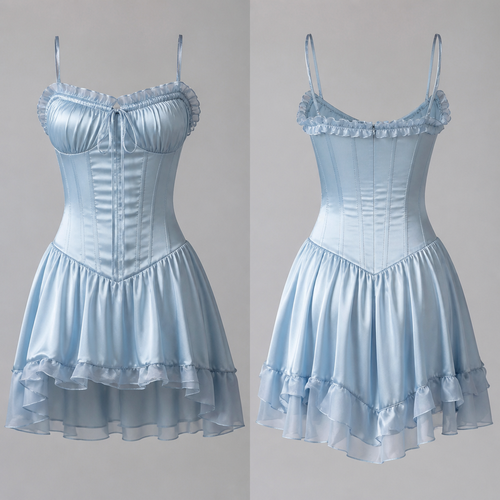
A light blue satin dress with a lined corset like bodice, with ruffles at The top with a drawstring casing at the bust w...
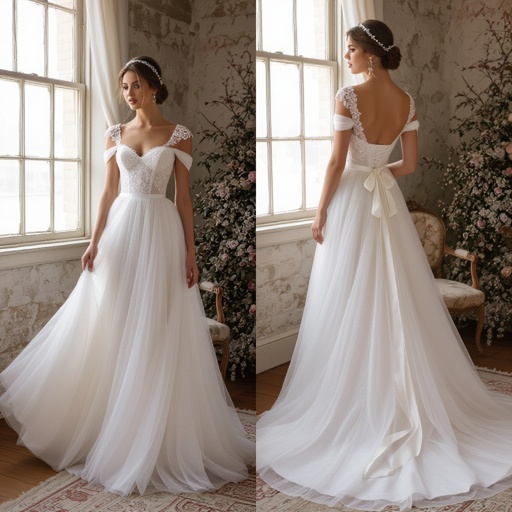
Snow inspired wedding dress
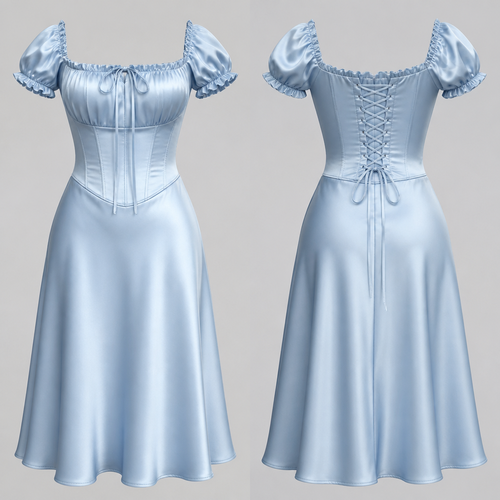
A light blue satin dress with a lined corset like bodice, with a drawstring casing at the top bust with cute trendy shor...
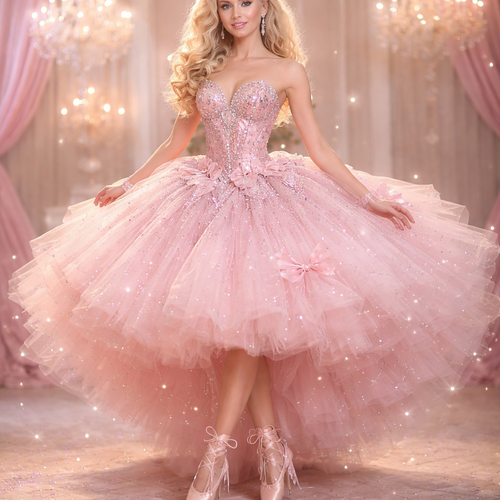
balletcore barbie sequined dress for adult woman tulle beautiful ball gown style skirt that’s extravagantly extra. beaut...
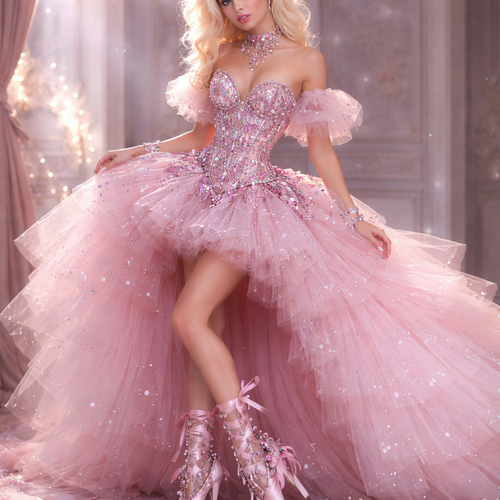
balletcore barbie sequined dress for adult woman tulle beautiful ball gown style skirt that’s extravagantly extra. beaut...
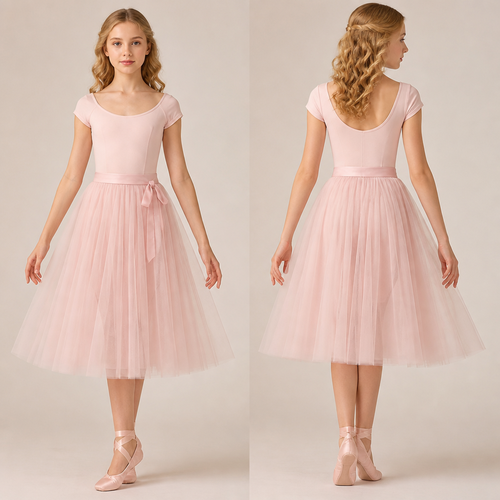
A European teenage girl with blonde curled hair has a ballet pink tulle skirt and a ballet pink top and ballet pink ba...
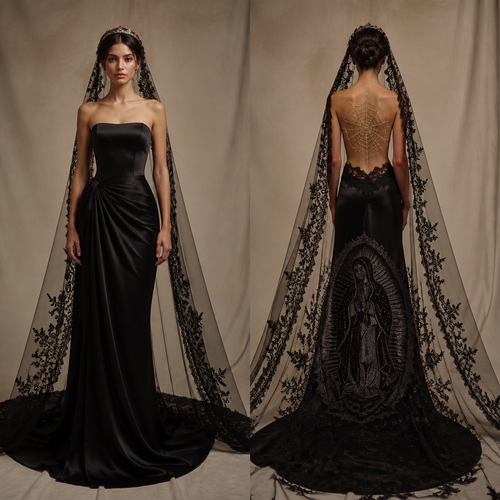
Strapless silk black wedding dress with the back of gold spiderweb with nothing behind it and a long black lace veil wit...
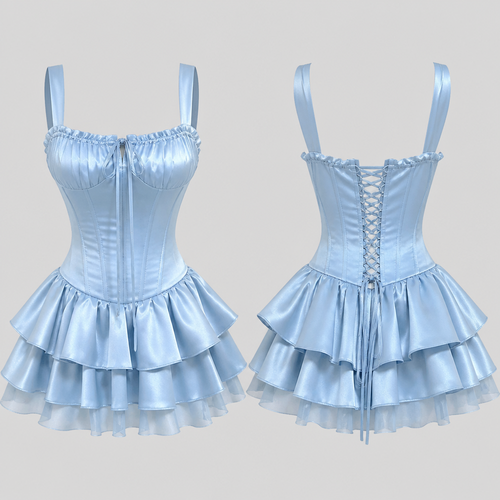
A light blue satin dress with a lined corset like bodice, with a drawstring casing at the top bust with thick straps , a...
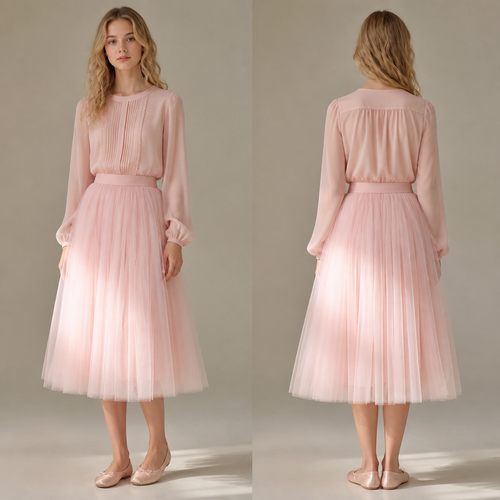
A European 16 year old teenage girl with blonde wavy hair has a ballet pink tulle skirt and a ballet pink blouse and b...
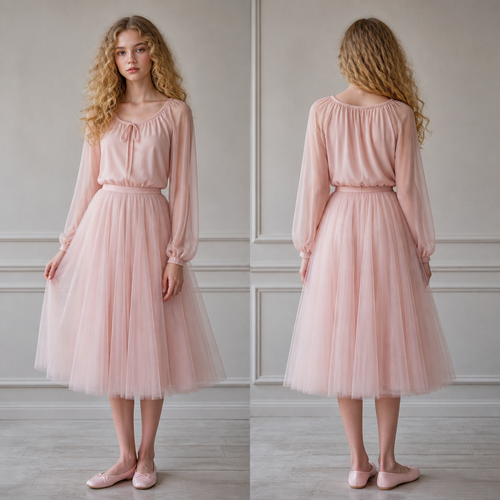
A European 16 year old teenage girl with blonde big curly hair has a ballet pink tulle skirt and a ballet pink blouse ...
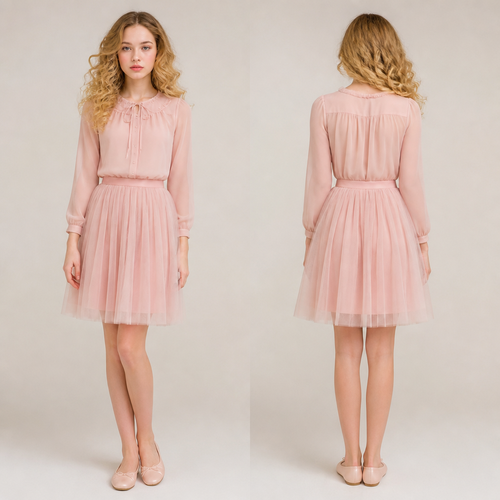
A European 16 year old teenage girl with blonde big curled hair has a ballet pink tulle skirt and a ballet pink blouse...
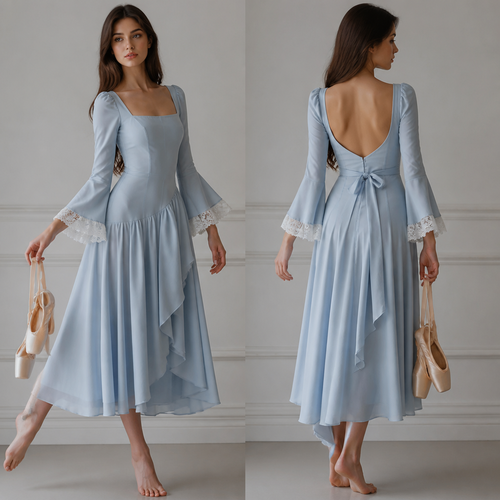
A pastel blue dress with white lace cuffs at the end of the sleeves and the girl has long, flowy straight dark brown hai...
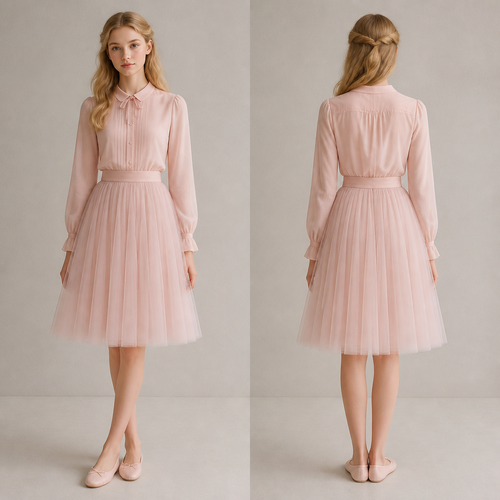
A European 16 year old teenage girl with hair like Aurora from Sleeping Beauty has a ballet pink tulle skirt and a ball...
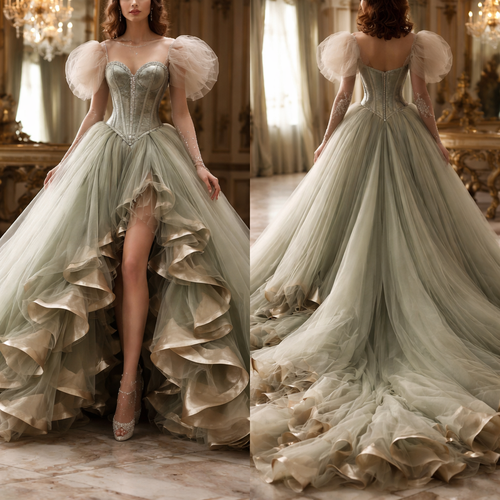
This dress looks like it was designed by someone who understands both ballet and warfare. It’s soft, romantic, airy — an...
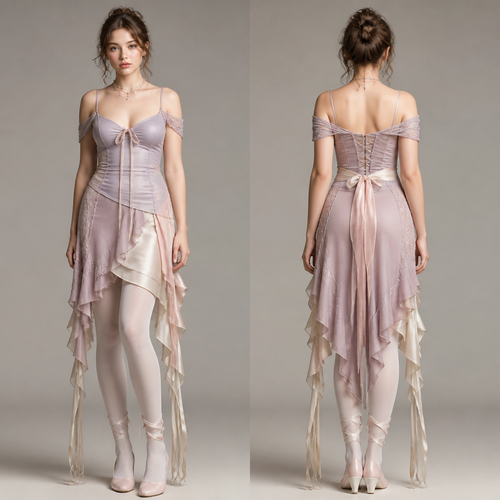
A Female Dress design, made of Silk, with a light, flowing drape, with a Fitted silhouette, styled in layers, in a Paste...
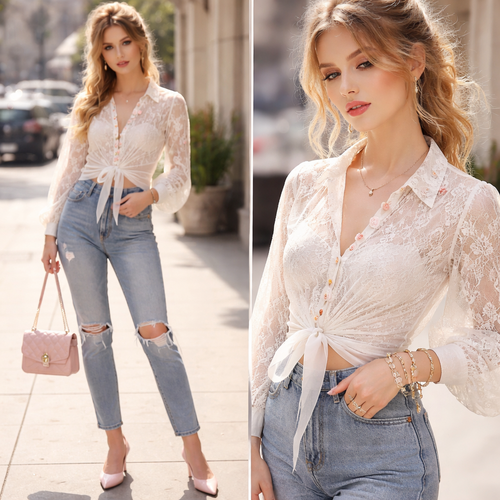
Create a classic date look with a white lace long sleeve shirt with rose pearl details that is tied at the waist. It is ...
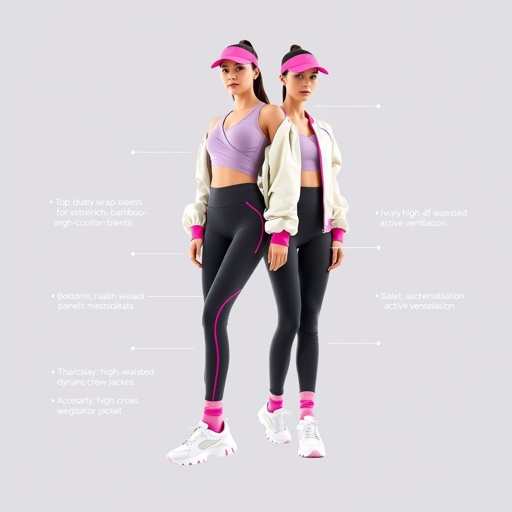
Outfit 1: LILAC FLOW Theme: Feminine, sleek, and elevated Top: Dusty lilac wrap crop top in a soft stretch bamboo-cotto...
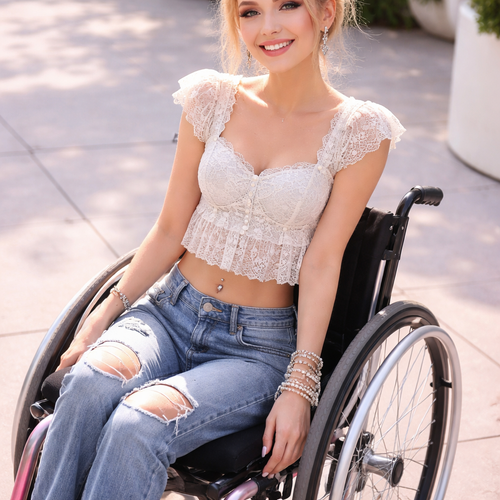
Create a design with a vintage lace white blouse with capped sleeves, subtle tiers and a scalloped bottom. You can see j...
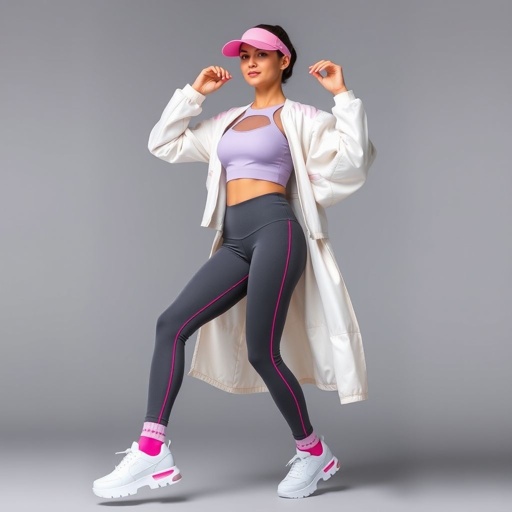
Outfit 1: LILAC FLOW Theme: Feminine, sleek, and elevated Top: Dusty lilac wrap crop top in a soft stretch bamboo-cotto...
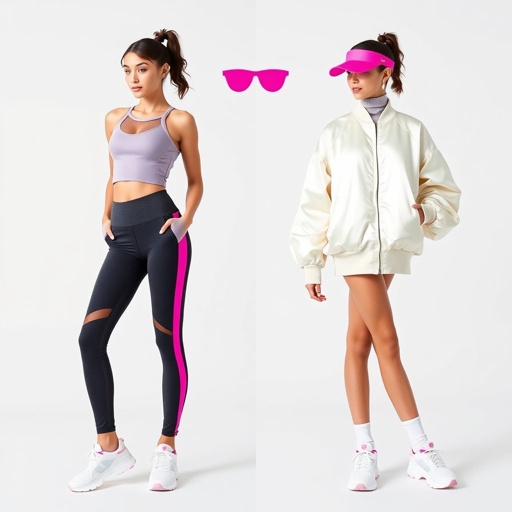
Outfit 1: LILAC FLOW Theme: Feminine, sleek, and elevated Top: Dusty lilac wrap crop top in a soft stretch bamboo-cotto...
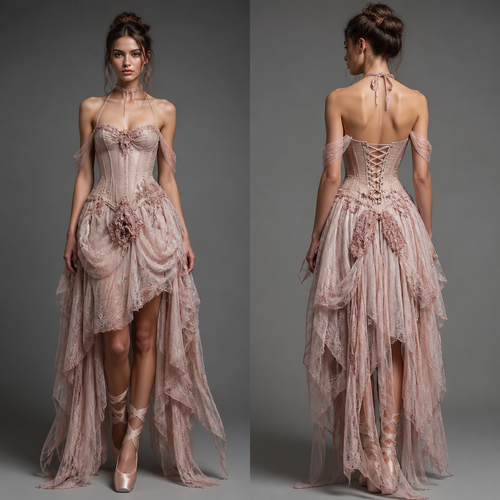
Make a really insanely unique dress
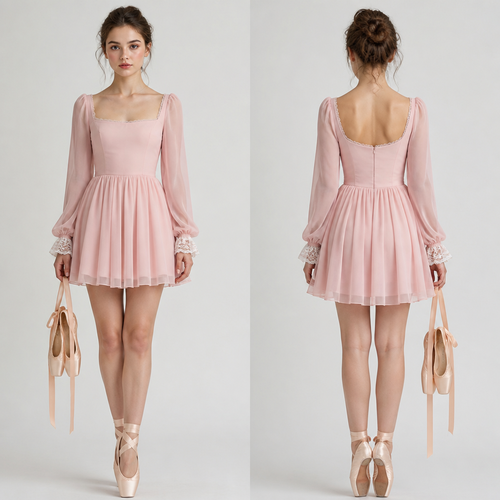
A baby pink dress with white lace cuffs at the end of the sleeves and the girl is holding pointe shoes
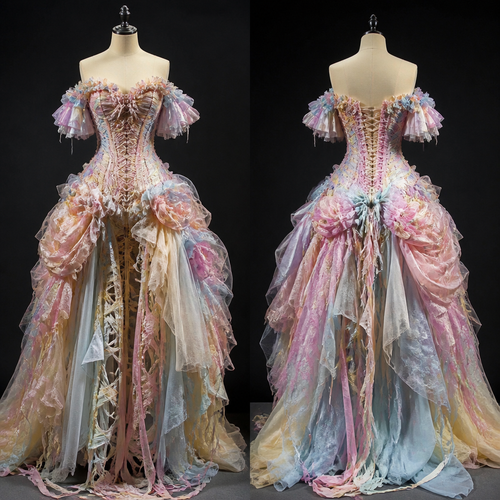
Make a really cool dress that is similar to John Gullio’s designs make it really bright and unique

A Female Dress design, made of Cotton, with an Oversized silhouette, suitable for Fall, in Classic + Ballercore + Skater...
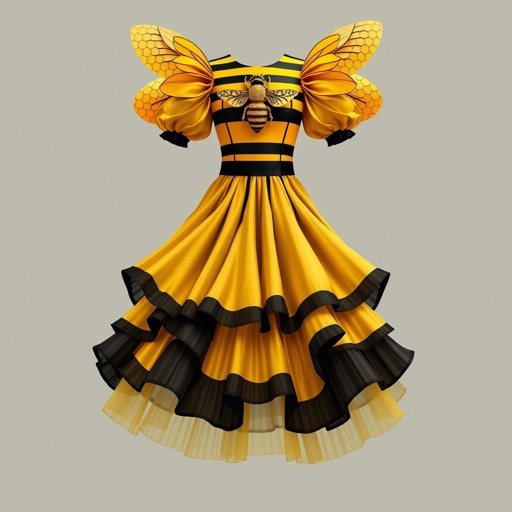
A honey bee & honey comb themed spring day dress.
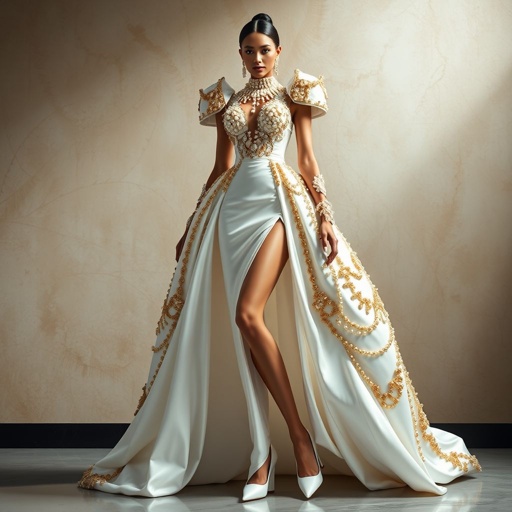
make a couture piece with classy details pearly whites a couture piece

A Female Activewear design, made of Cotton, with a sturdy, casual hand, with an Oversized silhouette, in a Monochrome co...
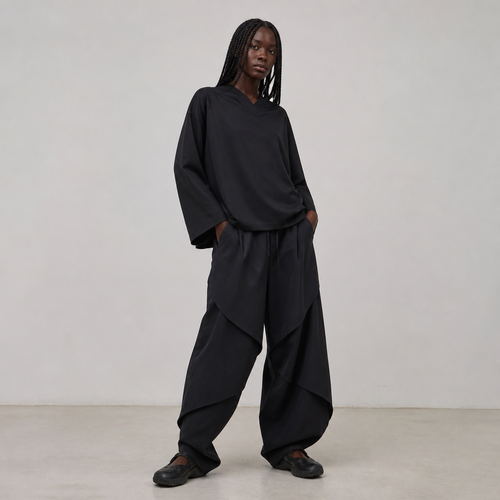
A Female Dress design, with a sleek, smooth finish, with an Oversized silhouette, in a Monochrome color palette, suitabl...