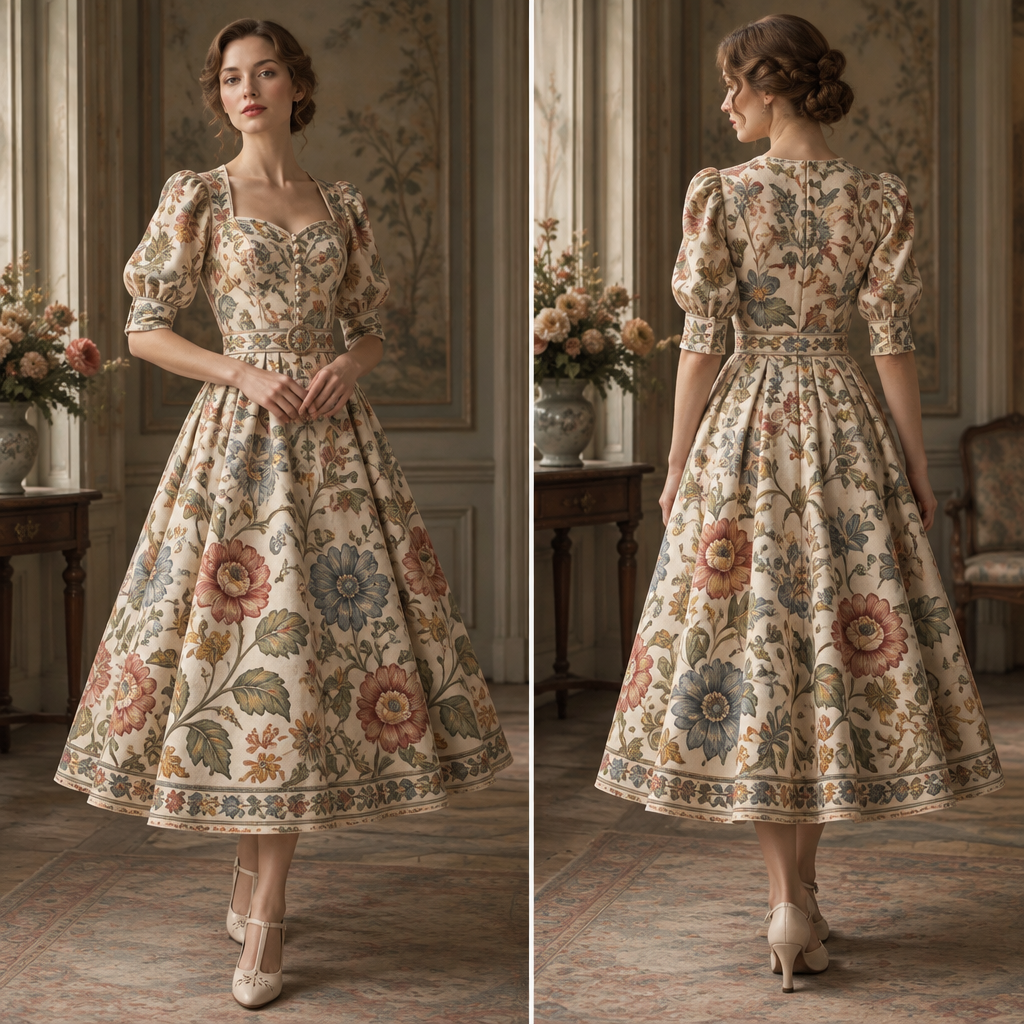
Design an extraordinary vintage-inspired women’s dress from the 1940s, drawing inspiration from both reference images. The dress should feel like a forgotten heirloom from a beautiful old Norwegian manor house, with an artistic, poetic and timeless character. Silhouette: Authentic 1940s fashion with a beautifully defined waist, elegant fitted bodice, softly structured shoulders, a modest sweetheart or square neckline, and a flowing, mid-calf A-line skirt. Include delicate puffed or gathered sleeves, subtle vintage tailoring and carefully considered details. Feminine, sophisticated and wearable, with a touch of theatrical elegance. Floral design: Use the flowers, leaves, curling stems and intricate botanical details from the first reference image as the main textile print. Translate the hand-carved linocut flowers into a richly detailed, vintage botanical pattern. Mix large expressive blossoms with smaller wildflowers, delicate leaves, curling vines and tiny decorative dots. The pattern should feel handmade, organic and slightly imperfect, never like a generic modern floral print. Colour palette: Take inspiration from the second reference image: warm ivory, muted sage green, dusty powder blue, faded peach, antique rose and soft ochre gold. Incorporate subtle dark brown or charcoal outlines inspired by the linocut artwork. The result should look like an aged hand-painted floral fresco translated into luxurious fabric. Unique details: Add delicate floral embroidery around the collar and cuffs, fine piping, covered vintage buttons, a decorative waistband and subtle botanical motifs along the hem. The design should feel like wearable art, with exceptional attention to craftsmanship. Avoid excessive decoration; every detail should feel intentional. Fabric: Matte cotton sateen, linen-silk blend or luxurious vintage cotton with a soft drape. The floral print should appear naturally integrated into the fabric. Presentation: Show the complete dress on a full-length fashion model in a refined, softly lit historic interior. Include a clear view of the silhouette, sleeves, waist, skirt and print. High-end editorial fashion photography, realistic fabric texture, sophisticated styling, authentic 1940s proportions. The final design must feel distinctive, collectible, romantic and artist-designed — not a costume, not a modern fast-fashion dress, and not a generic retro reproduction.
More Floral
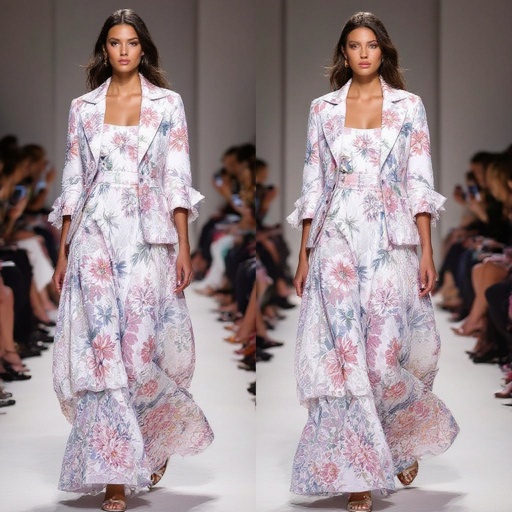
Dress with jacket old money style

Floral
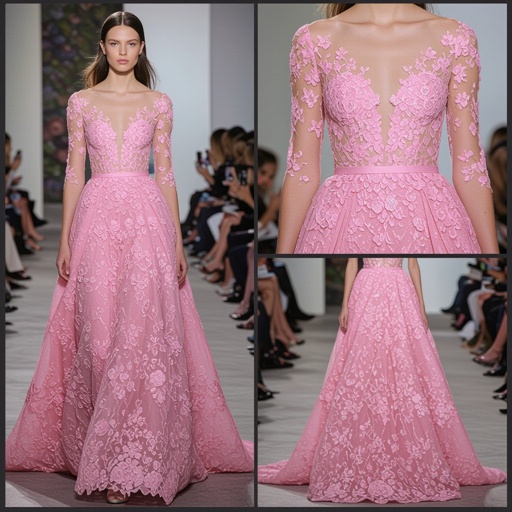
Pink evening gown long train with sparkles
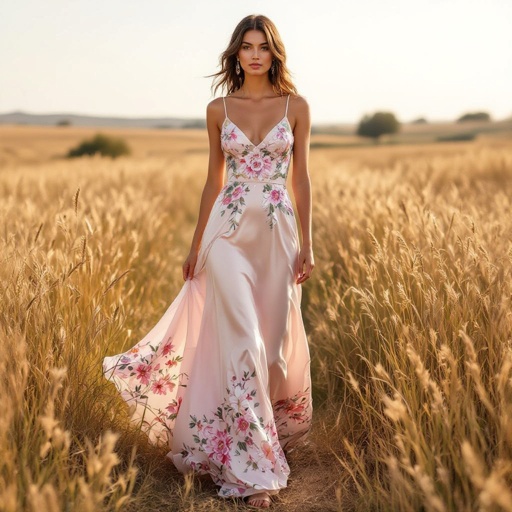
Pale pink Silk slip dress with spaghetti straps crystals embellishments
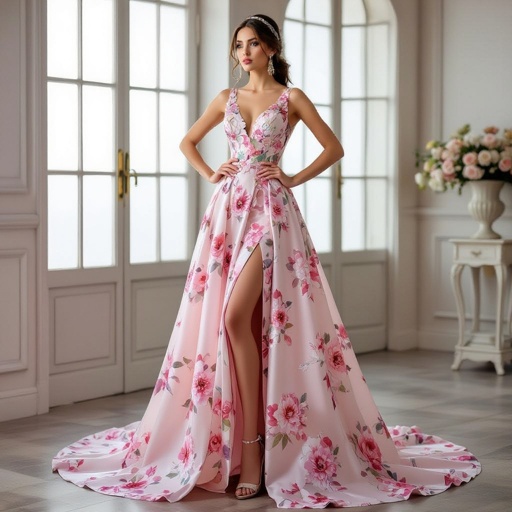
Pale Pink evening gown long train with sparkles

A floral jacket

Floral skirts

Floral dress

A Activewear design, in Floral style. United Kingdom fashion aesthetics.
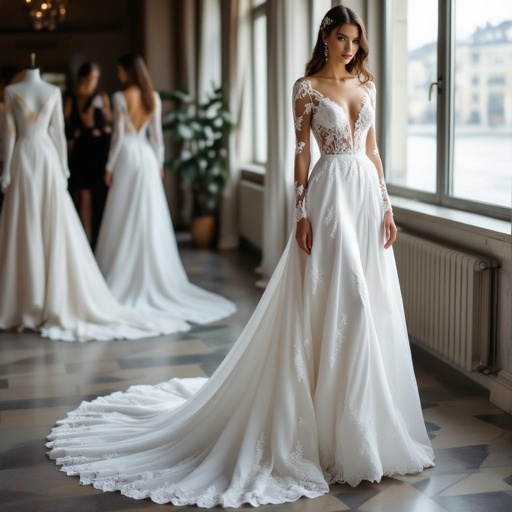
Wedding dress from narnia

A Dress design, made of Satin, for Party, suitable for Summer, in Floral style

Floral skirts
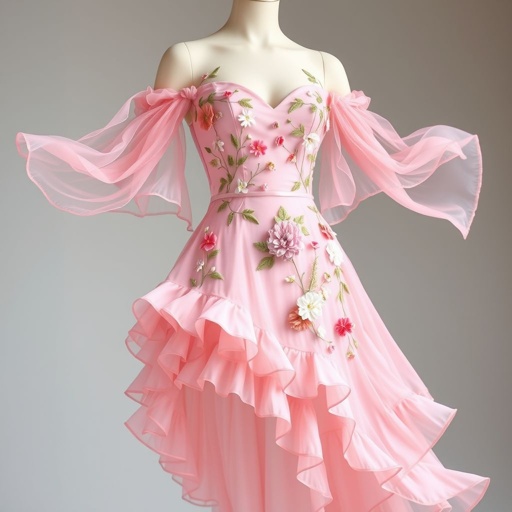
Pink floral dress
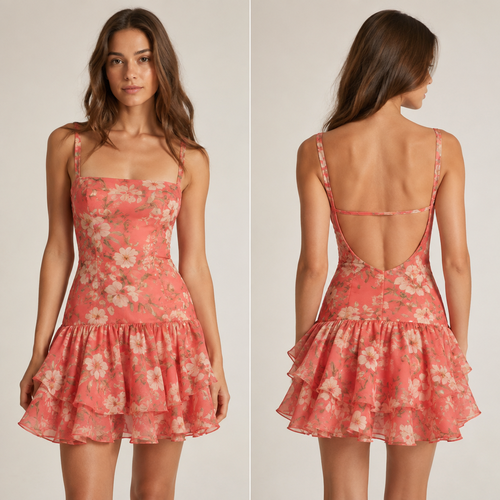
Coral coloured floral mini dress with a drop waist and a flowy bottom that has layers and an a line neck with an open ba...

Floral wrapt dress
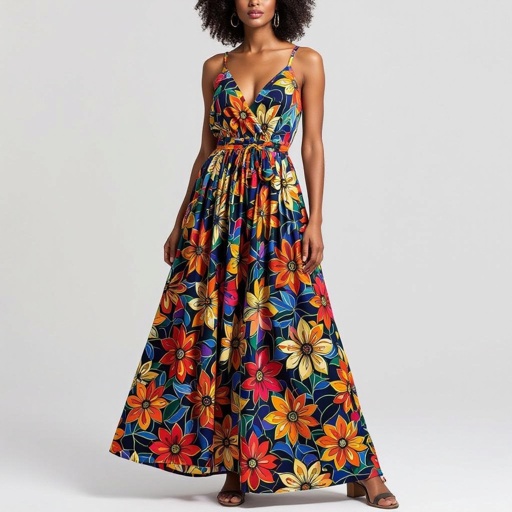
African,floral, transformative

wedding dress floral sleeves

Beautiful floral silk dress

A corset top with floral design

A Male Top design, made of Silk, for Party, suitable for Summer, in Resort + Floral + African style. floral pattern, col...
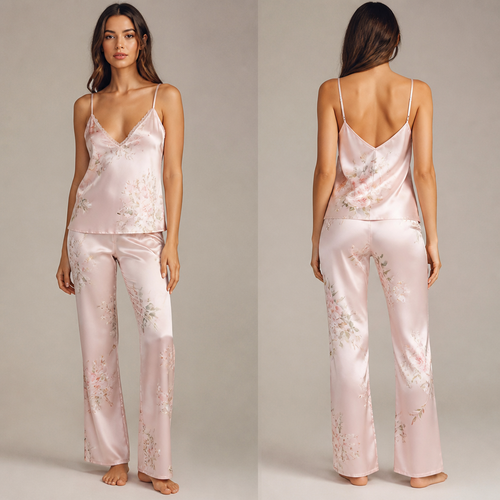
Satin fabric, fitted, comfortable, floral, soft and sexy, in a pastel pink color with a subtle floral touch featuring pa...

The straps on her dress are flowers and the dress had a corset with a pink floral design, and her skirt has layered ruff...
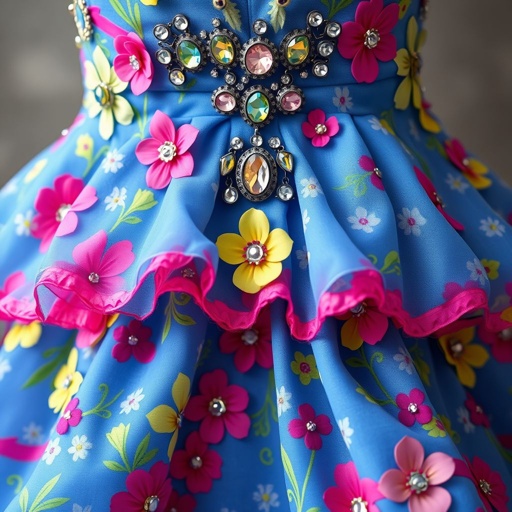
Blue floral dress with stones and embellishments

A Female Top design, made of Velvet, for Party, suitable for Spring, in Floral + Checkered + Dance style. Nigeria fashio...

The straps on her dress are flowers and the dress had a corset with a pink floral design, and her skirt has layered ruff...

Floral long sleeved dress
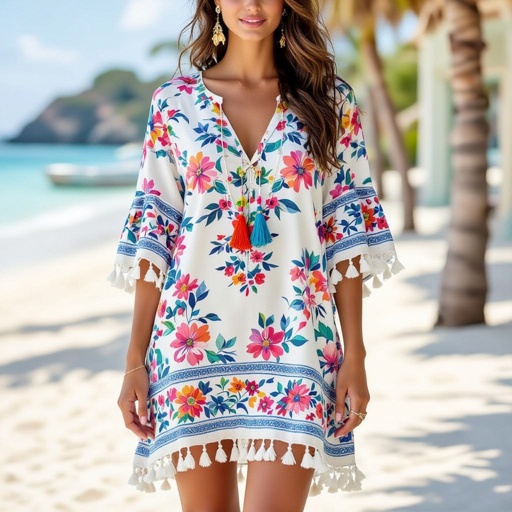
Beautiful floral design with tassels

Instead of play do floral
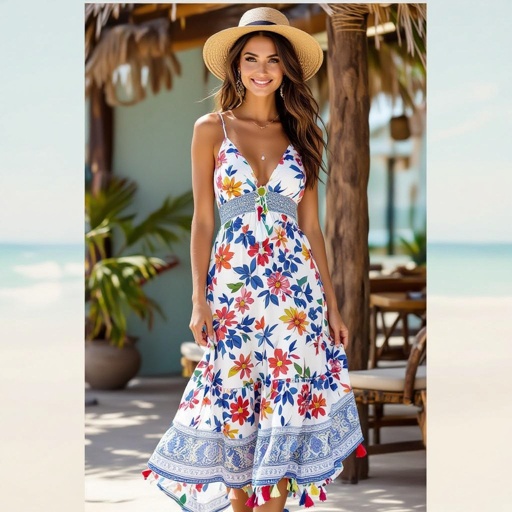
Beautiful floral design with tassels

Strapless floral silk sleeveless dress

A Dress design, in Floral style. فستان لونه. أسود ورد محمدي باج مع ظهر من سلاسل كريستال أسود. Algeria fashion aestheti...

Create a detailed illustration of this flare gown , at the waist and neck I want floral shaped patterns and the sleeves ...
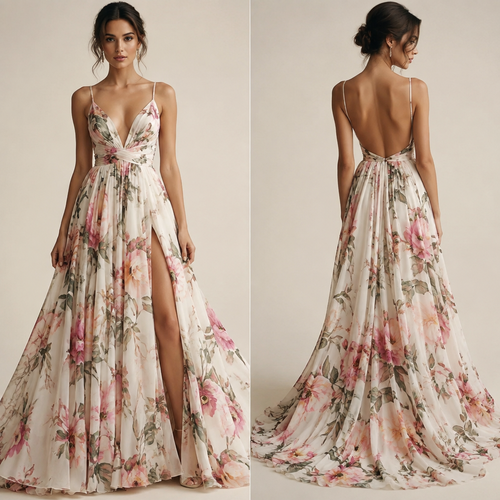
A backless flare and trending gown with a floral material

Make white diamond shoes with floral design

A farsi salwar yellow and white floral fabric
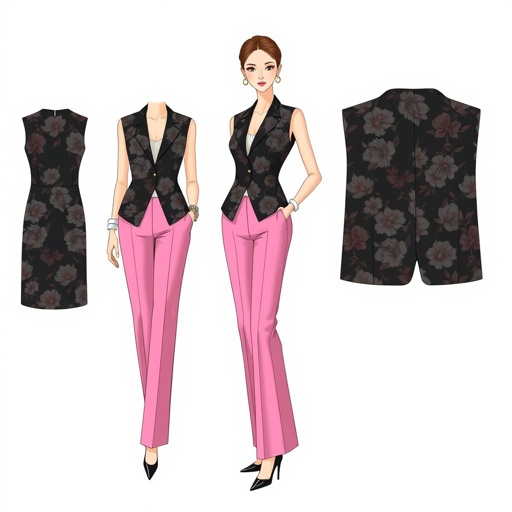
Black Floral vest on a wide pink paint
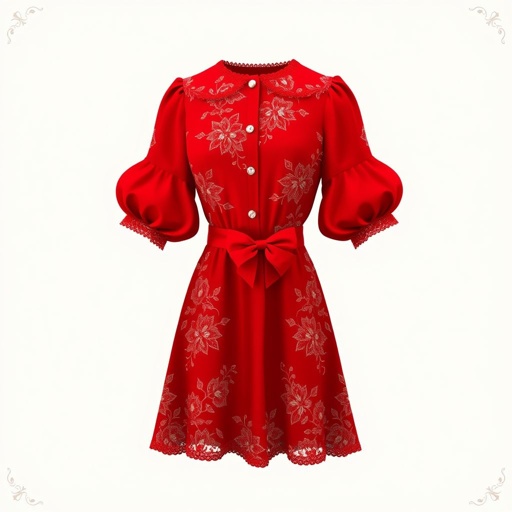
Short red dress with stoned floral patterns
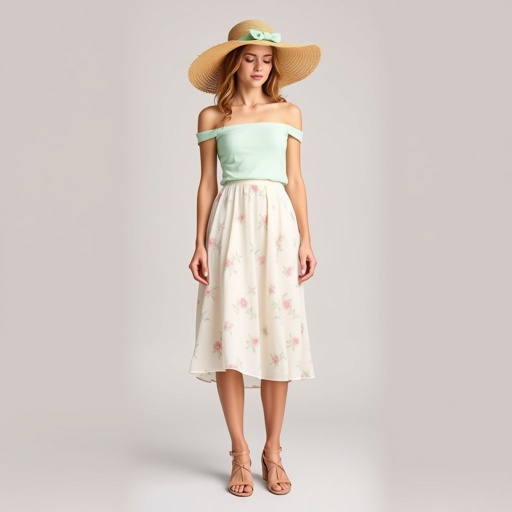
Aline cream skirt with little floral prints

Floral green dress for red carpet
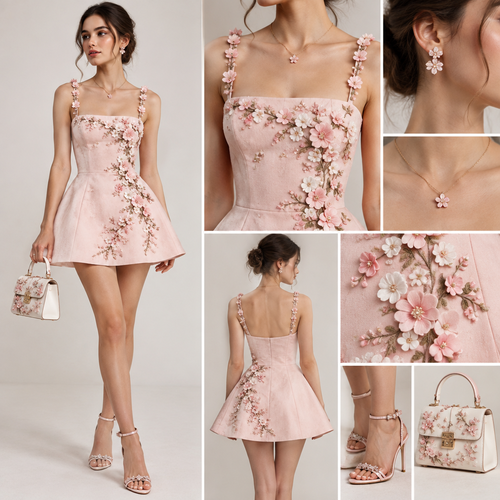
Create an elegant soft pastel-pink floral dress with a luxurious, feminine, romantic aesthetic. Dress silhouette The d...

Create a detailed illustration of this flare gown , at the waist and neck I want floral shaped patterns and the sleeves ...

Rainbow pretty kid kindergarten floral dress Disney