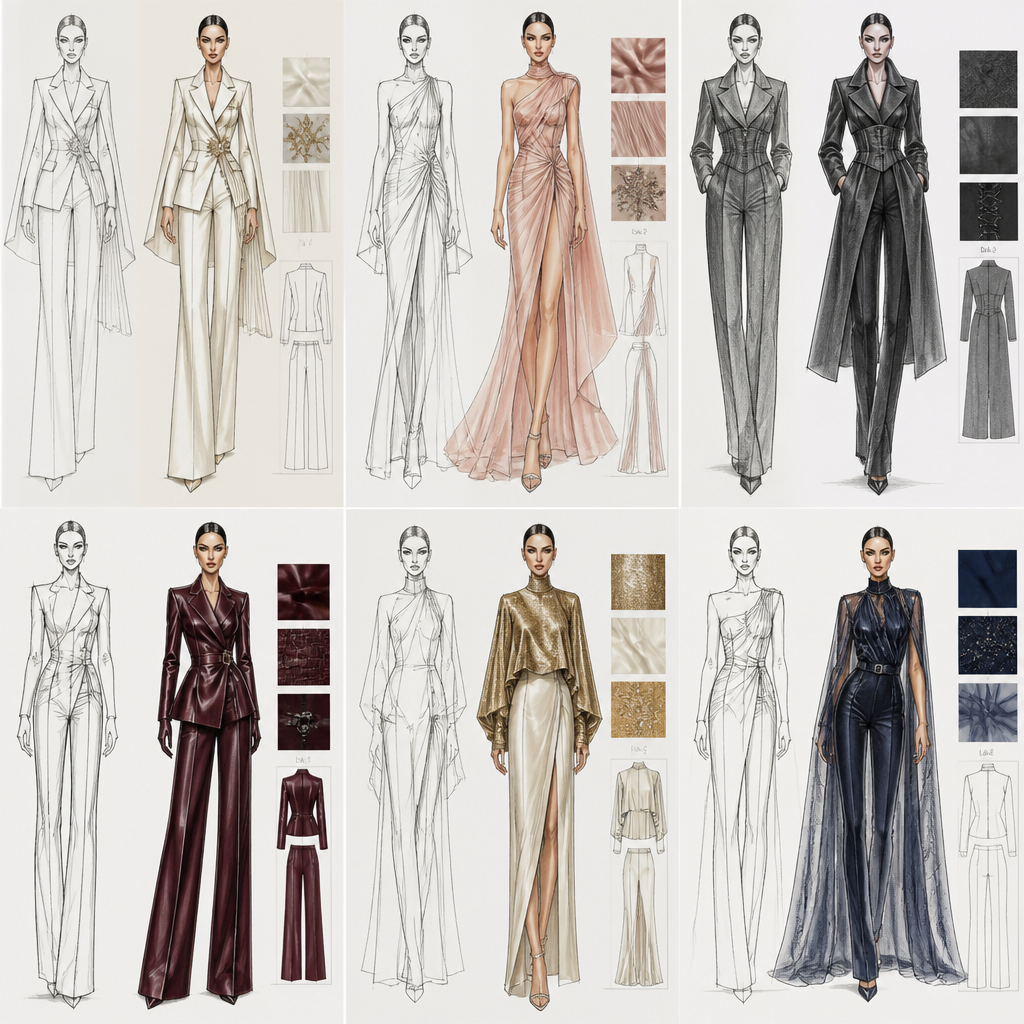
Create an **original luxury Western fashion illustration portfolio series** featuring **professional fashion croquis/models actually wearing the garments**. The fashion figures must be tall, elegant, elongated **fashion croquis proportions**, with confident editorial poses. The clothes must be clearly visible ON THE CROQUIS and should look like complete, professionally designed Western fashion outfits. ### DESIGN STYLE Create **6 completely original Western luxury fashion looks**. Do not copy or recreate existing runway designs, brands, Pinterest outfits, celebrities, or recognizable designer collections. The designs should feel: * sophisticated * contemporary * luxurious * editorial * fashion-forward * elegant * slightly experimental * realistically wearable Think **international luxury fashion editorial**, not costume design and not everyday casualwear. Use Western silhouettes such as: * structured tailored suits * sophisticated dresses * sculptural coats * elegant jumpsuits * asymmetric tops and skirts * tailored trousers * corset-inspired structured pieces * layered eveningwear * modern leather looks * refined statement outerwear ### REALISTIC CONSTRUCTION Every garment must be **physically possible to make in real life**. The designs should have believable: * seams * darts * panels * pleats * gathers * collars * cuffs * waistlines * closures * pockets * hems * layering * tailoring and draping The garments must look like something a professional fashion designer could actually pattern-cut, stitch and produce. Avoid impossible shapes, floating fabric, physically impossible structures, excessive fantasy elements or unrealistic fabric behavior. ### CROQUIS REQUIREMENT Each design must be shown on a **full-body fashion croquis**. The croquis should have: * elongated fashion proportions * elegant posture * natural anatomy * sophisticated editorial pose * visible hands and feet * clean facial features * minimal distracting details The garment must remain the main focus. ### DESIGN DEVELOPMENT For each look, create TWO stages: **A. CORELDRAW-STYLE INITIAL SKETCH** Show the croquis wearing the garment using: * precise clean black linework * thin vector-like outlines * garment construction details * seams and design lines * minimal colour * professional fashion illustration proportions It should look like an actual designer's initial fashion design sketch. **B. FINAL RENDERING** Render the SAME croquis wearing the EXACT SAME garment. Do not alter the silhouette or construction between the sketch and rendering. Show: * realistic fabric folds * fabric texture * highlights and shadows * garment volume * material differences * refined luxury finishing ### DIFFERENT RENDERING TECHNIQUES Give each look a different professional illustration technique: 1. **Fine liner + alcohol marker + subtle gold pen** 2. **Watercolor + ink + colored pencil** 3. **Graphite + charcoal + white pencil** 4. **Marker + mixed-media collage** 5. **Acrylic/opaque paint + metallic detailing** 6. **Digital rendering + hand-drawn ink texture** The techniques should be clearly distinguishable and useful as techniques I could reproduce later in my own portfolio work. ### FABRICS Explore luxurious but realistic Western fashion materials: * leather * satin * silk * velvet * wool * structured suiting * organza * jacquard * metallic textile ### COLOUR DIRECTION Use sophisticated luxury palettes such as: black, ivory, charcoal, deep burgundy, chocolate brown, champagne, muted gold, silver, navy and controlled jewel tones. Do not make every look black or overly dark. Create variety while maintaining a cohesive luxury collection. ### PORTFOLIO PRESENTATION Present the work like a **professional fashion design portfolio**, with generous negative space and clean editorial composition. For each look include: * full-body croquis * initial line sketch * final rendered illustration * small fabric/texture study * one or two construction/detail sketches where appropriate The final result should look like **a real fashion designer's design development process**, not an AI fashion image. MOST IMPORTANT: **The croquis MUST be wearing the designed garments.** The garments must be **Western, luxurious, original, fashionable and realistically manufacturable.** The final designs should be impressive enough for a professional fashion design portfolio while still being possible to physically construct.. Pakistan fashion aesthetics.
See More
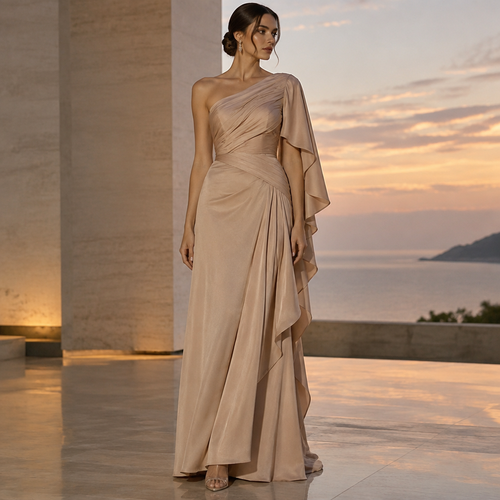
Assymetrical shoulder dengan siluet elegan. Dress panjang nya sampai mata kaki
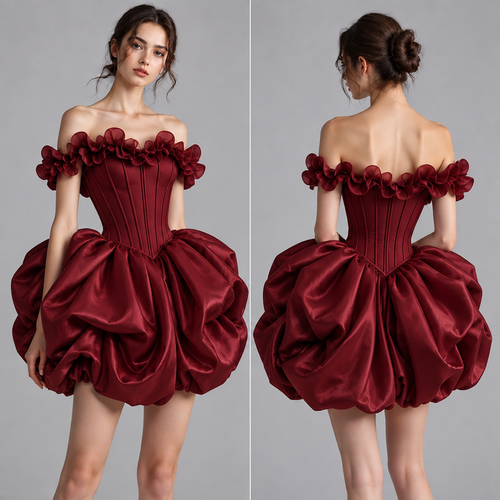
Buatlah detail dress nya Bust / neckline volume: bagian atas menggunakan ruffled sculptural neckline yang dibuat sep...
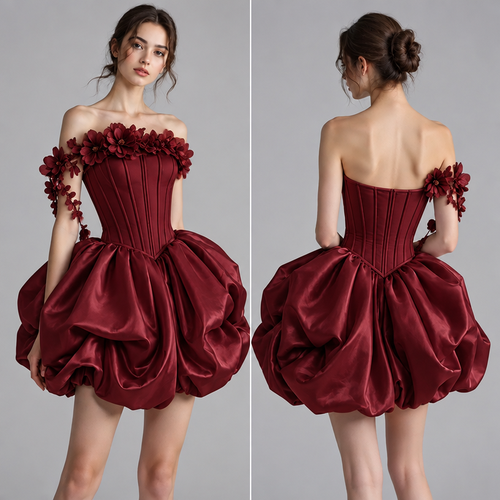
Sculptural Corset Mini Dress with Exaggerated Hip Volume and Ruffled Neckline. Warna burgundy
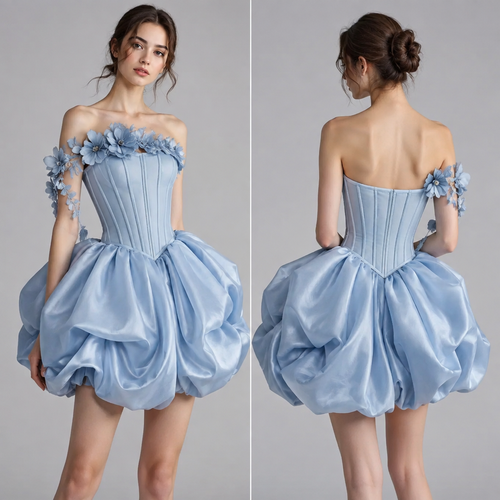
Elegan ballon cocktail dress warna baby blue dengan korset datar di bagian dada agak tinggi. Detail tulang2 korset menon...
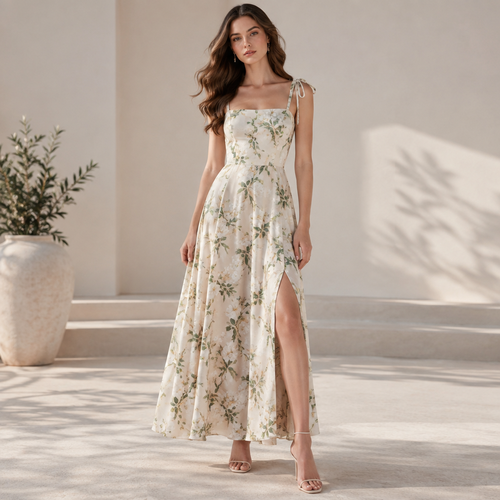
A Female Dress design, suitable for Summer, in Elegant style. KH fashion aesthetics. Present it as professional fashion ...
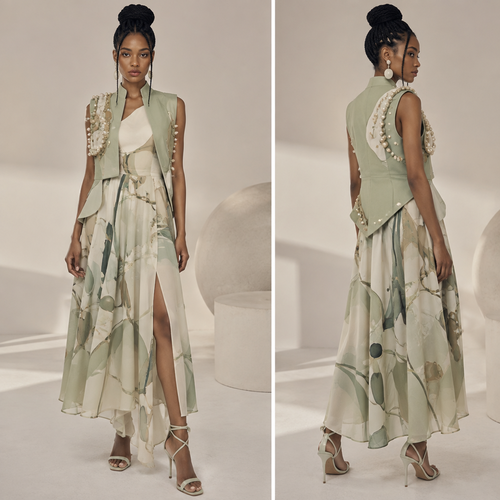
A Female Dress design, suitable for Summer, in Afrofuturism style. 外面套個淡綠色馬甲,旁邊有泡泡珍珠點綴. Taiwan fashion aesthetics. Prese...
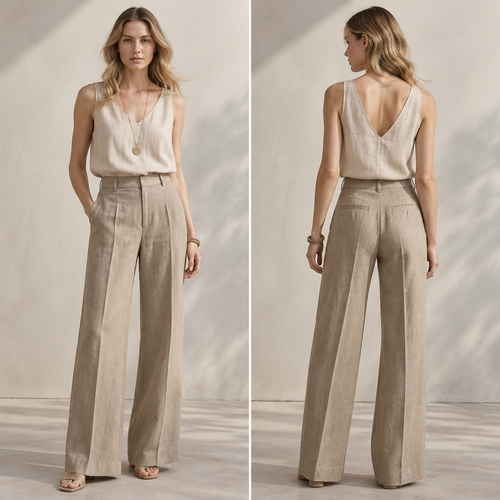
A Pants design, made of Linen, with a crisp, structured drape, in a Muted & Dusty color palette, suitable for Summer, su...
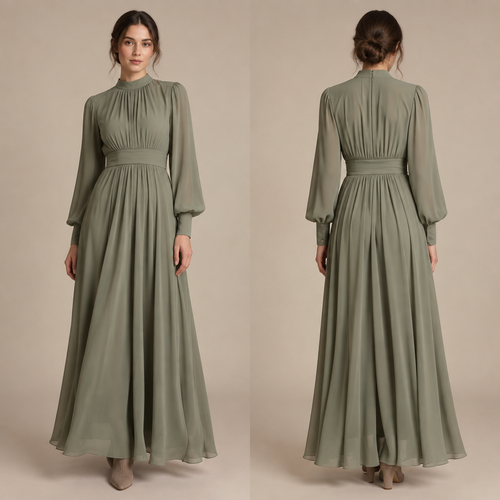
A Female Dress design, with a light, flowing drape, with modest, full coverage: longer hemlines, higher necklines and co...
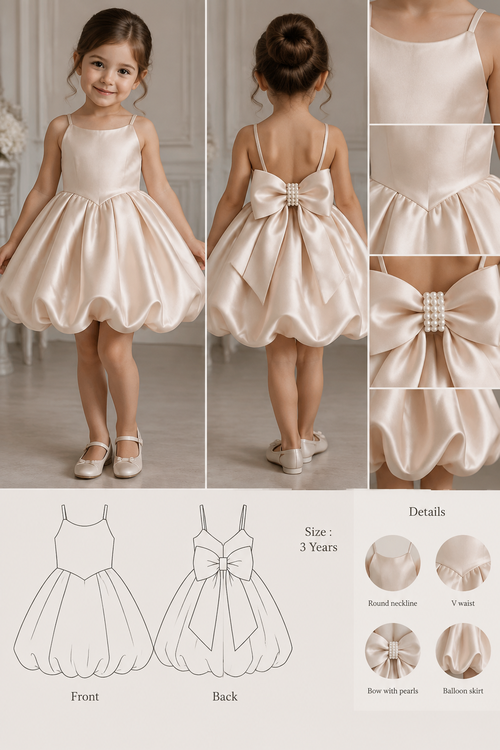
فستان اطفال يكون الموديل مقاس ٣ سنين الفستان من الستان الصدر بتاعه عادي برقبه دوران عادي كات بتاعه رفيع عالكتف الخصر ...
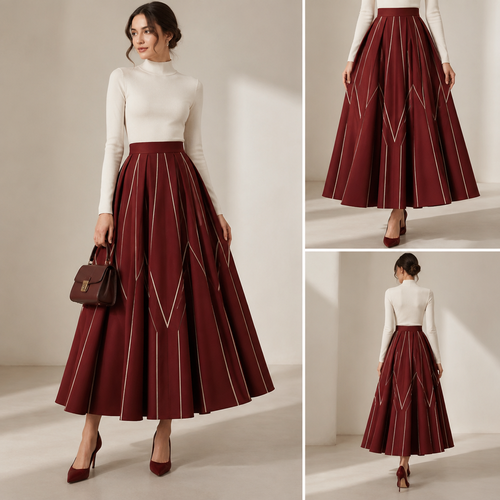
A Skirt design. évasé tracer rouge bordeaux ligner valent 🌸🌸🌸. MR fashion aesthetics. Present it as professional fas...
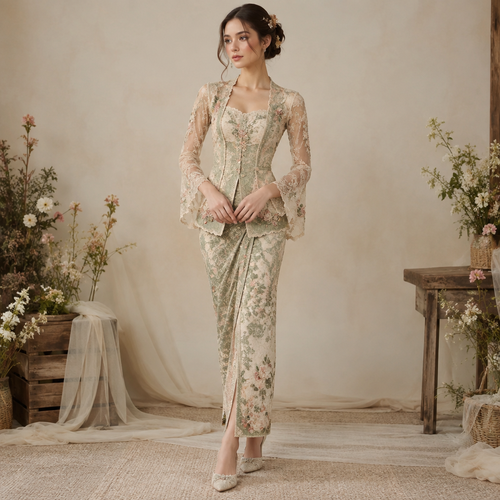
A Kebaya design, in Cottagecore style. courtes plume. MR fashion aesthetics. Present it as professional fashion catalogu...
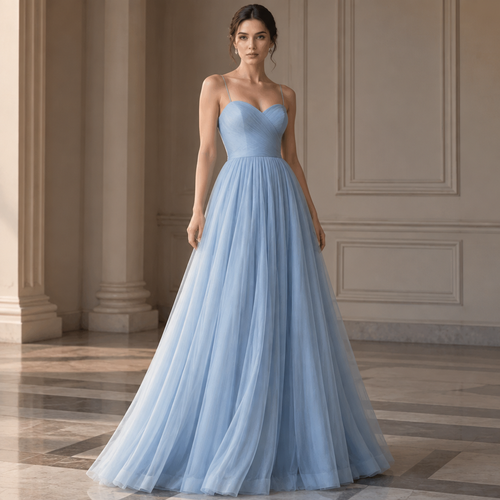
A Female Dress design, suitable for Fall, in Classic style. robe ريشة long évasé mini bras bleu ciel chic. MR fashion ae...
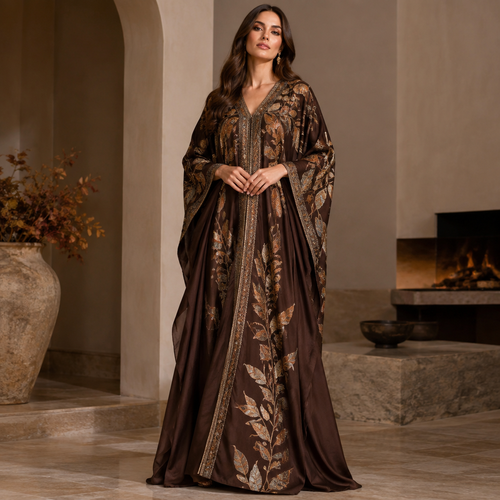
A Female Kaftan design, suitable for Fall, in Glamorous style. MR fashion aesthetics. Present it as professional fashion...
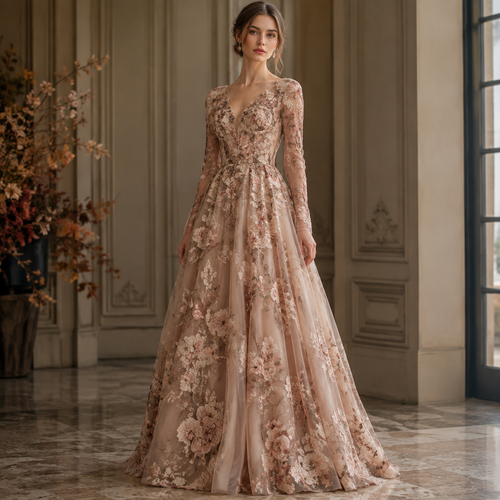
A Female Dress design, suitable for Fall, in Elegant style. robe élégante dentelle fleurie valent long. MR fashion aesth...
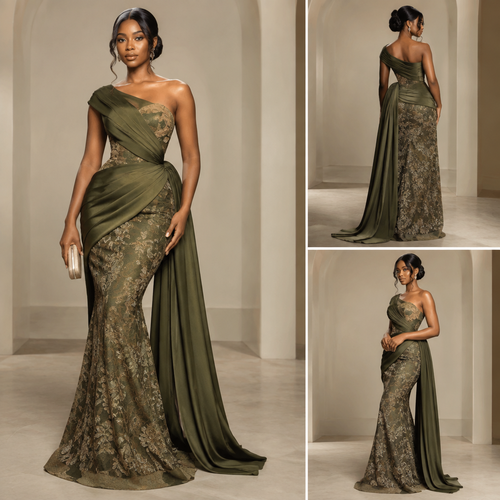
I want a Nigerent type dress I want this not corset Nigerian type dress I wanted with not beaded for prom. United Kingdo...
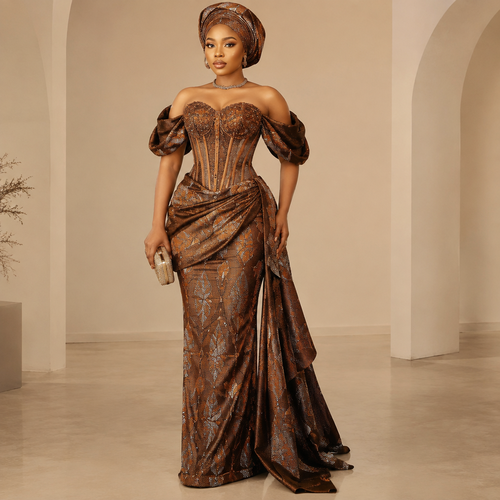
A Female Dress design, suitable for Fall, in Glamorous style. I want a corset spaced nigerian type of dress. United King...
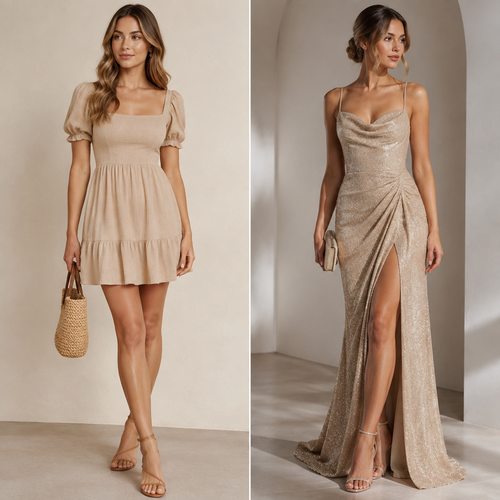
photorealistic fashion design, quiero una mujer cuerpo de arena. PA fashion aesthetics. Present it as professional fashi...
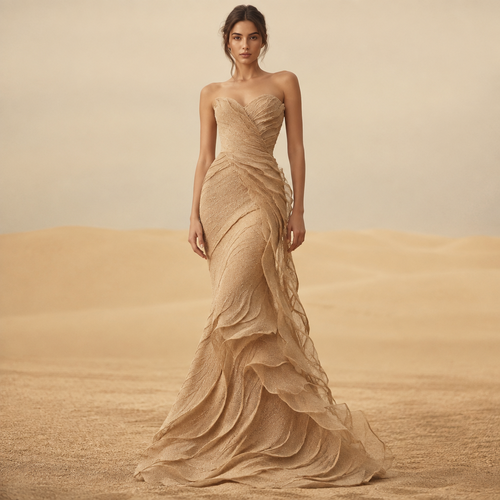
quiero una mujer cuerpo de arena. PA fashion aesthetics. Present it as professional fashion catalogue photography: the g...
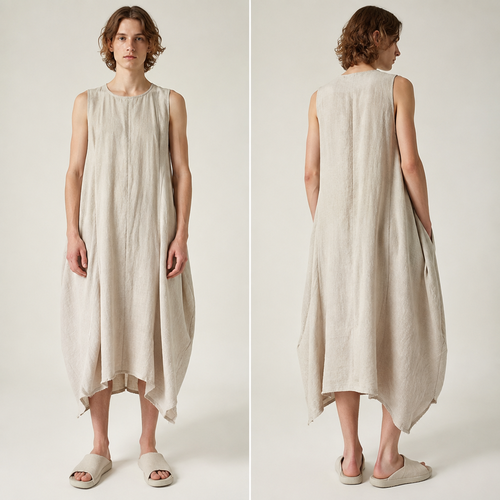
A Unisex Dress design, suitable for Summer. PA fashion aesthetics. Present it as professional fashion catalogue photogra...
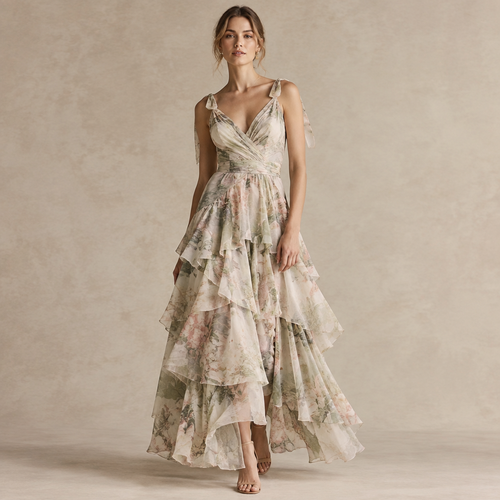
A Dress design, with a soft, cosy hand, styled in layers, suitable for Spring, suited to a Temperate climate, in Elegant...
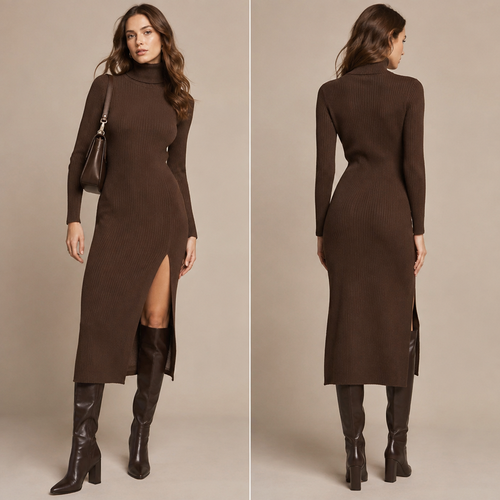
A Female Dress design, suitable for Fall. Consider American fashion — diverse and trend-driven, casual-cool, athleisure ...
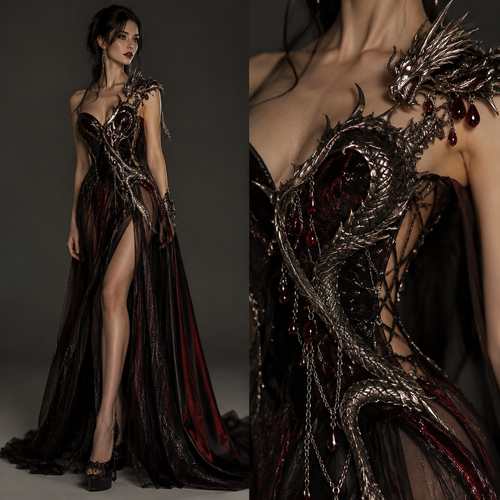
Sometging a dragon , vampire, or a dark siren would wear to a cocktail party or to the grammy awards.
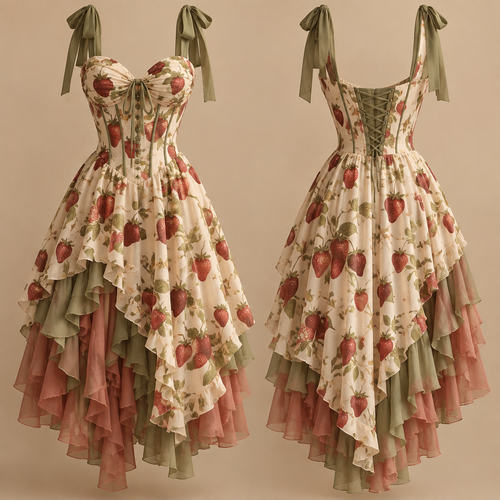
Warm tones, strawberry patterns, Flowey & cottagie with complemantary viriaty of colors and bold unique cuts
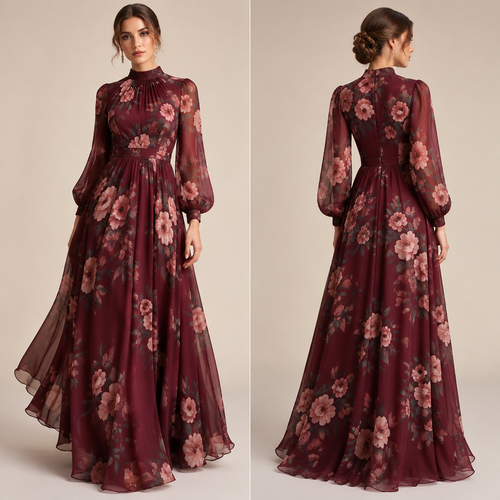
A Female Dress design, made of Chiffon, with a sleek, smooth finish, with a Tailored silhouette, with modest, full cover...
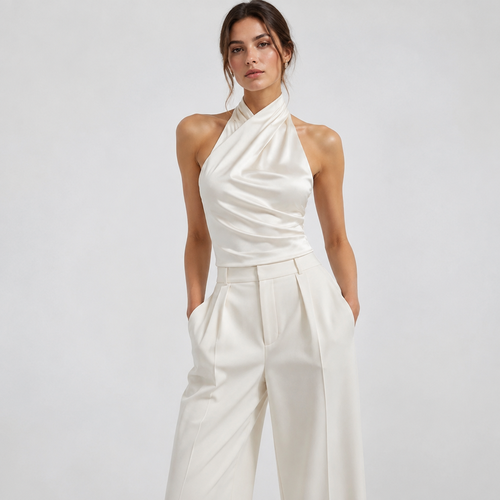
Niche top and paint
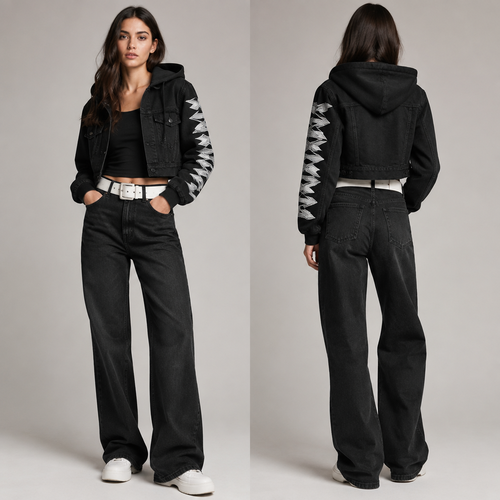
A Female Dress design, suitable for Fall. un jeans largo nero con cintura bianca grossa,giubbotto in jeans nero con capp...
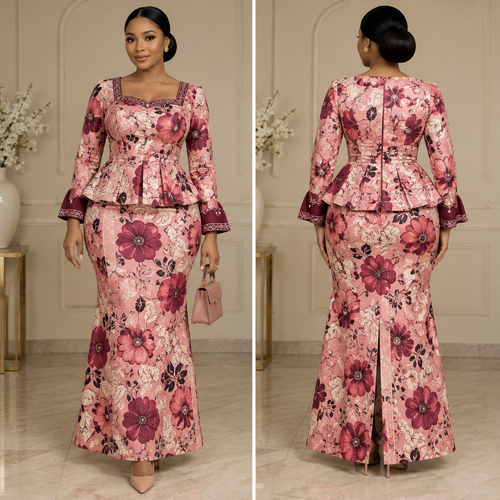
Design a sophisticated, feminine and modern Arewa/Borno-inspired Ankara two-piece outfit consisting of a tailored top an...
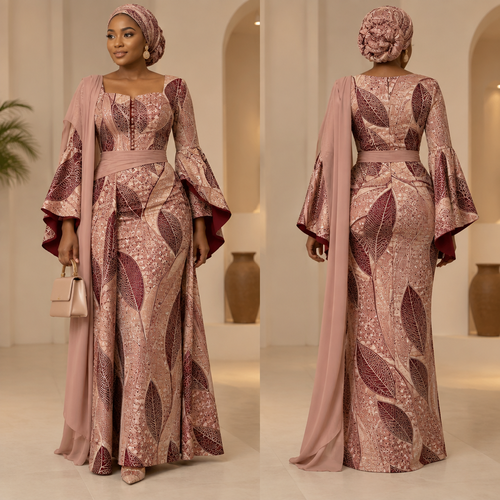
I want to design a modern Arewa/Borno-inspired outfit that feels feminine, elegant, modest and luxurious without looking...
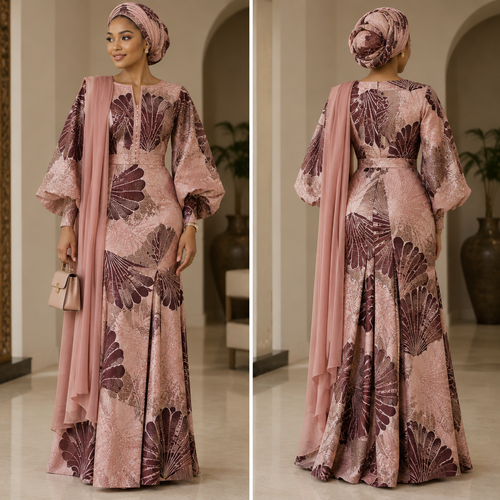
I want to design a modern Arewa/Borno-inspired outfit that feels feminine, elegant, modest and luxurious without looking...
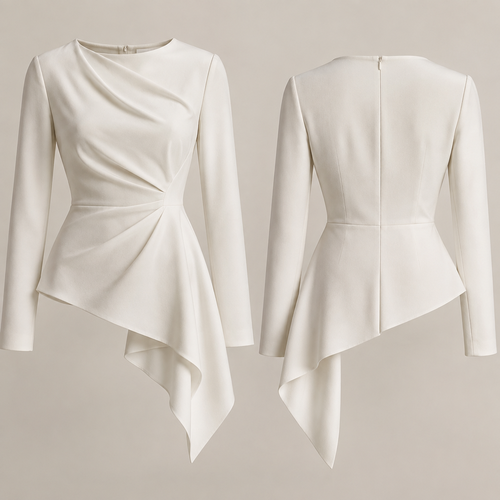
Je veux un haut manche longue à bas asymétrique
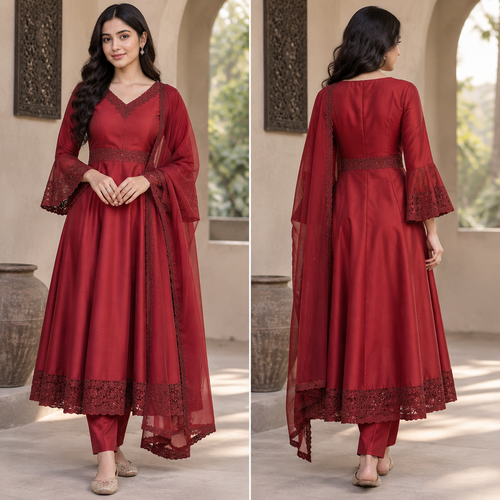
A Female Dress design, with modest, full coverage: longer hemlines, higher necklines and covered shoulders, suitable for...
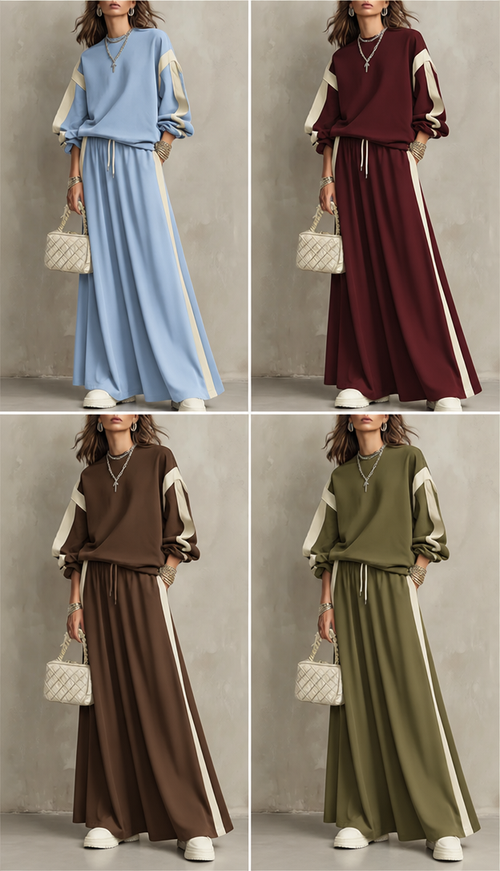
Redesigned: Now please create the same set in different colors, for example: Light blue Burgundy Brown Khaki green Kee...
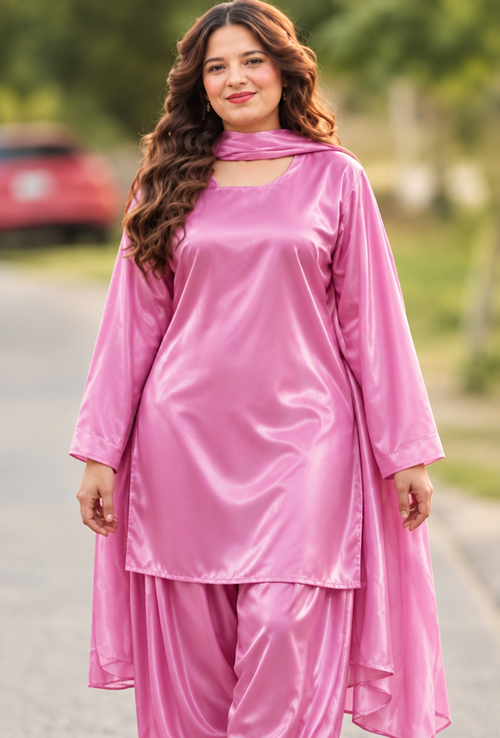
Outfit try-on
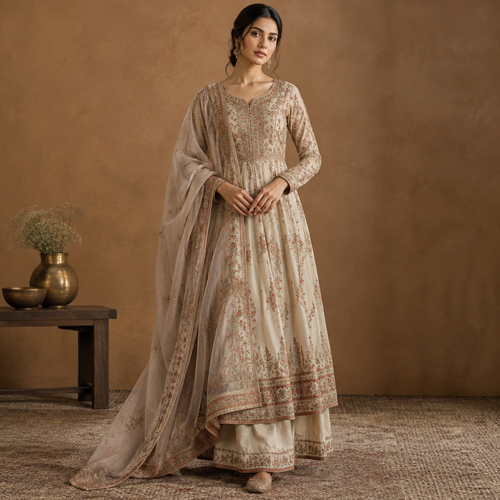
A Female Dress design, suitable for Fall, in Elegant style. India fashion aesthetics. Present it as professional fashion...
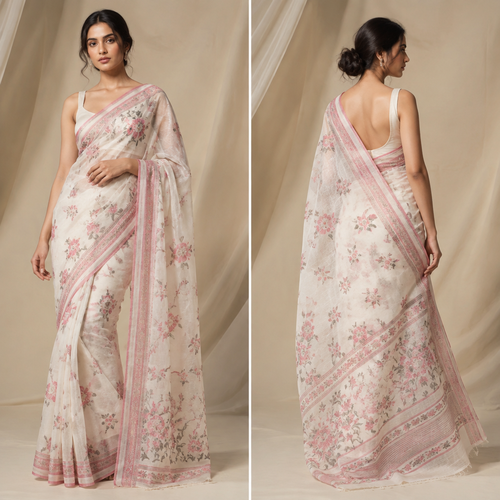
A Female Dress design, suitable for Summer. Consider Bangladeshi fashion — jamdani saree, salwar kameez; muslin and cott...
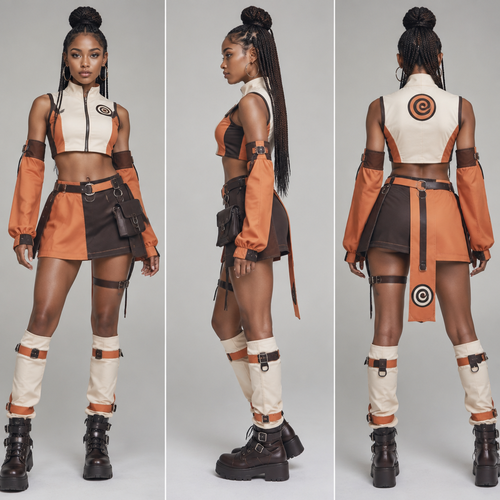
in Designer style. for 90s and early 200s cartoons,movies and anime cosplay DIY and handmade. Kenya fashion aesthetics. ...
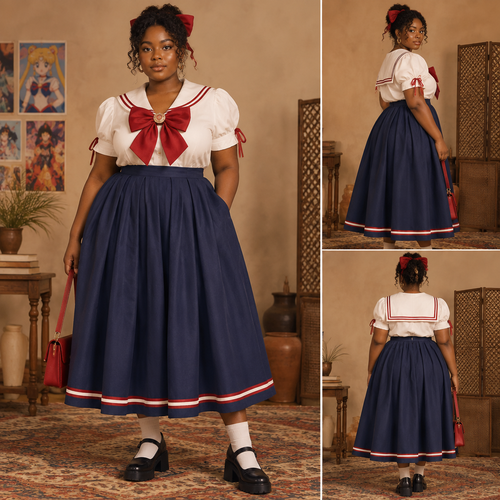
A Female Dress design, suitable for Summer, in Vintage style. I need an outfit for my cosplay event theme 90s and early ...
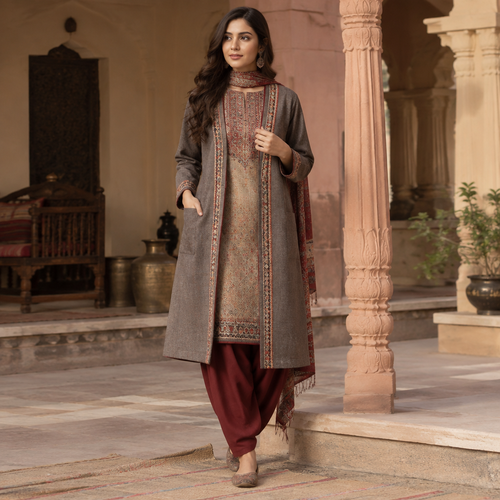
A Salwar Kameez design, in Casual style. the dress should be for rajasthan winter season and it should be a salwar suit ...
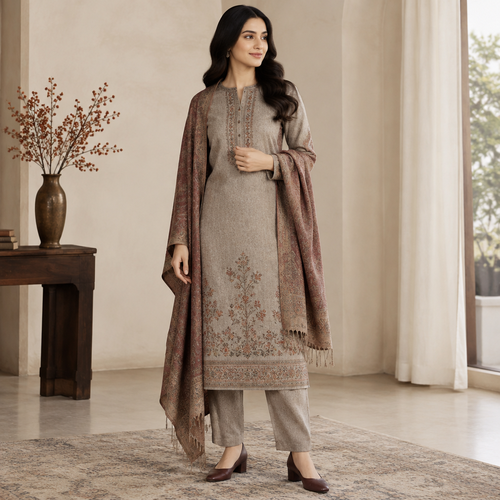
A Female Dress design, with modest, full coverage: longer hemlines, higher necklines and covered shoulders, suitable for...
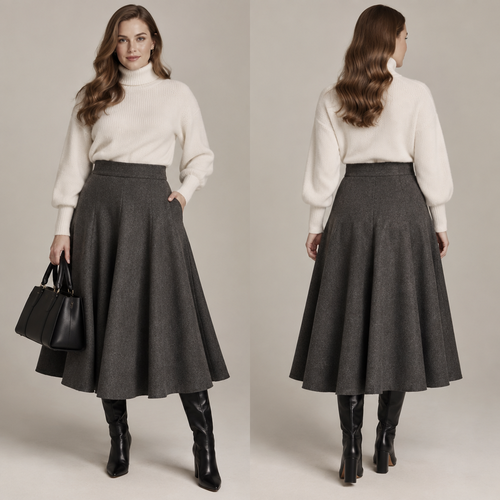
A Female Skirt design, with a soft, cosy hand, with a Flared silhouette, in a Monochrome color palette, for Casual, suit...
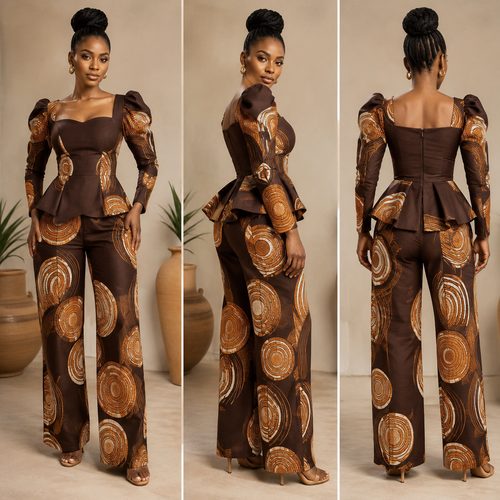
improve this one. Kenya fashion aesthetics. Present it as professional fashion catalogue photography: the garment is the...
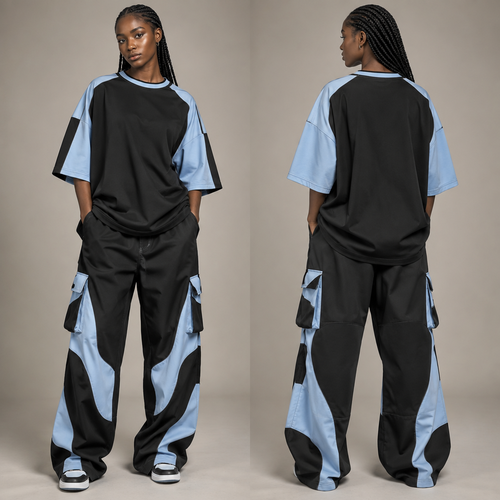
make it calm ......... make the colors black and light blue . don't change my design. make it shoulder dropped and over...