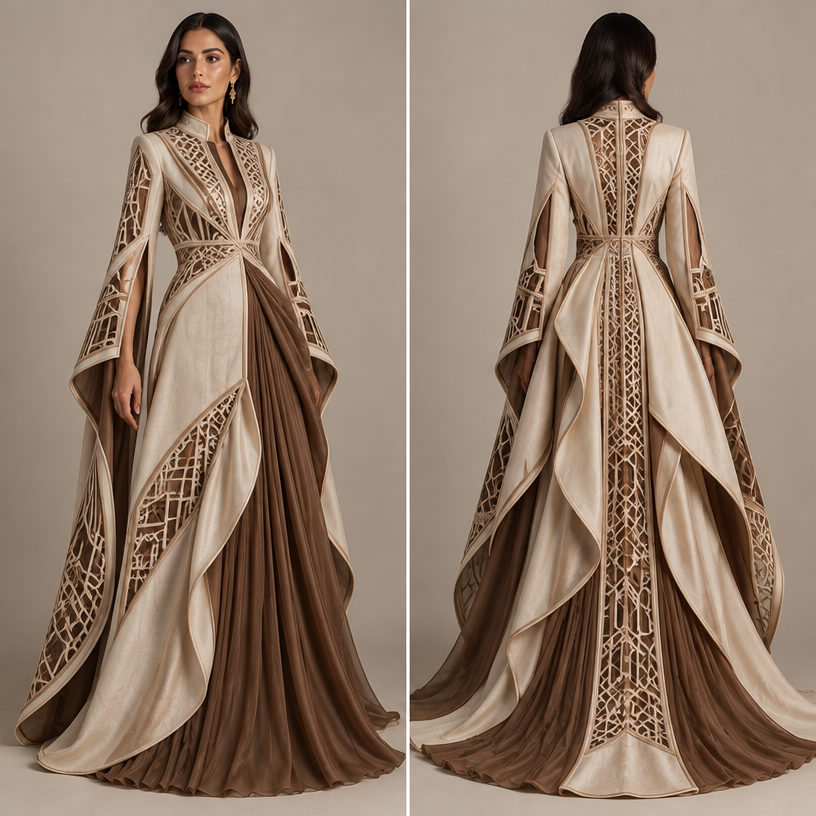
Redesign the dress to be much more innovative, contemporary, and fashion-forward. Do NOT make it look like a jalabiya, abaya, traditional dress, or costume. Do NOT add historic buildings, Jeddah architecture, or heritage scenery in the background. The Hijazi identity should be expressed THROUGH THE DESIGN ITSELF, not through the background. Keep my original concept as the main reference, but transform it into a sophisticated high-fashion dress with an unexpected and creative silhouette, modern construction, interesting layering, unique fabric manipulation, and refined architectural details. Take subtle inspiration from the visual language of historic Hijazi culture and Jeddah — such as the shapes of Rawasheen, traditional geometric patterns, doors, windows, textures, and local craftsmanship — but reinterpret these elements in an abstract and contemporary way. For example, translate the curves, geometric shapes, shadows, and patterns into the structure, cut-outs, pleats, seams, embroidery, draping, or silhouette of the dress rather than directly copying traditional elements. The result should look like an original designer fashion piece inspired by Hijaz, not a traditional costume. Make it editorial, artistic, sophisticated, minimal, and suitable for a high-fashion runway or fashion magazine.
See More
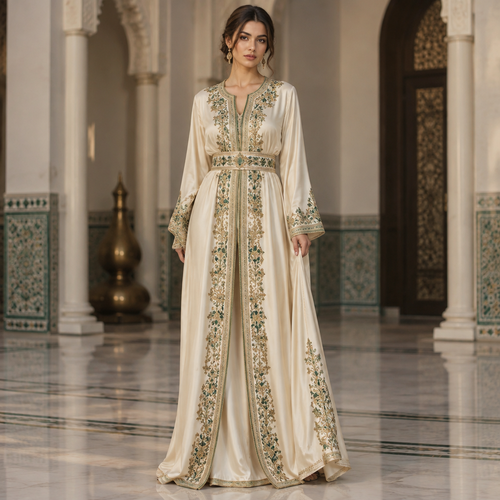
A Dress design, in Elegant style. Algeria fashion aesthetics. Present it as professional fashion catalogue photography: ...
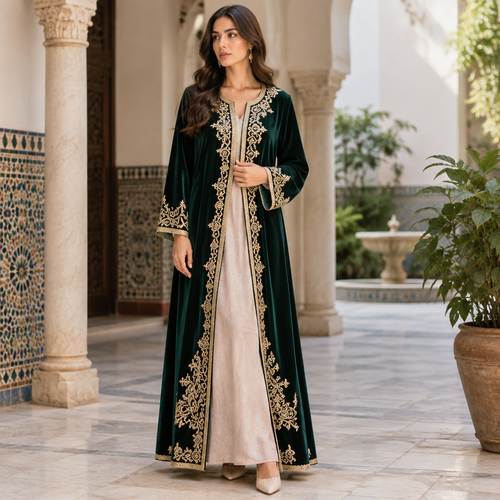
A Female Dress design, suitable for Fall, in Classic style. Algeria fashion aesthetics. Present it as professional fashi...
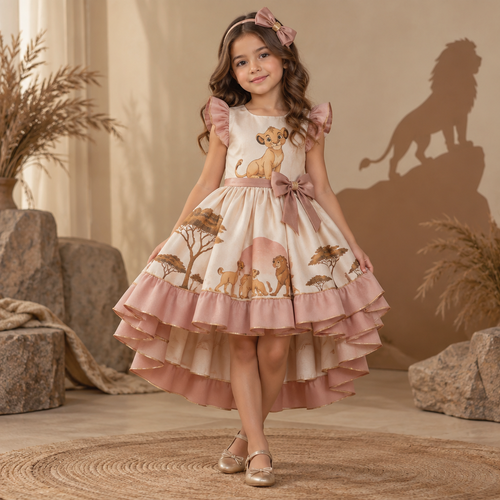
A Dress design, suitable for Fall. vestido infantil color champan convinado con rosa, la temat7ca es del rey leon. Mexic...
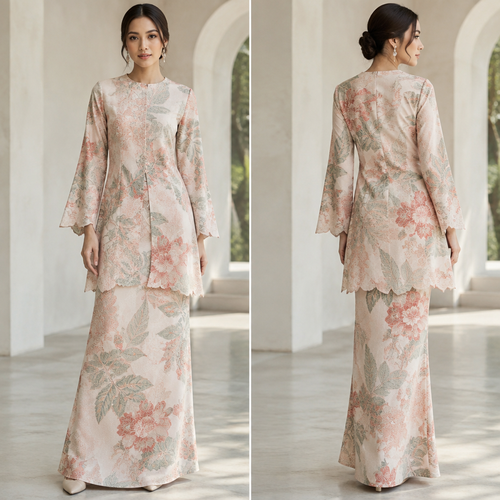
A Female Dress design, for Formal, suitable for Summer. Consider Malaysian fashion — baju kurung, batik prints, modest f...
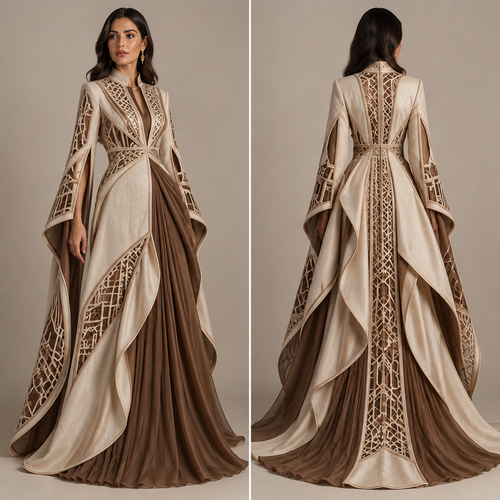
Redesign the dress to be much more innovative, contemporary, and fashion-forward. Do NOT make it look like a jalabiya, ...
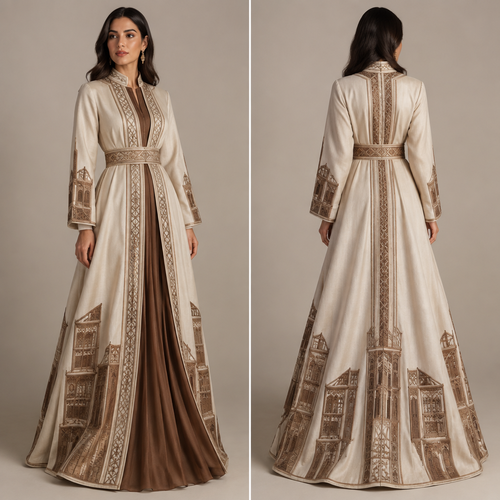
Design a contemporary, elegant, and sophisticated women’s dress inspired by the cultural heritage of Jeddah and the Hija...
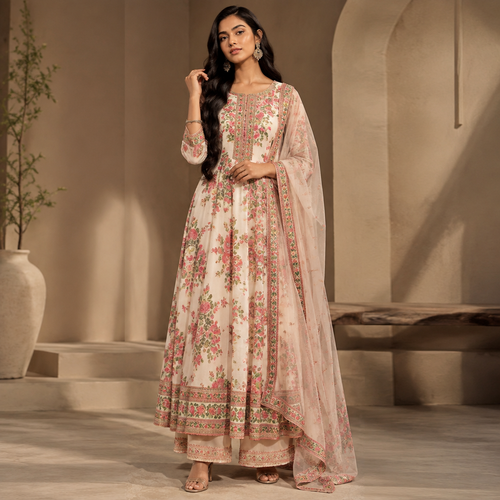
A Dress design, suitable for Summer, in Glamorous style. Bangladesh fashion aesthetics. Present it as professional fashi...
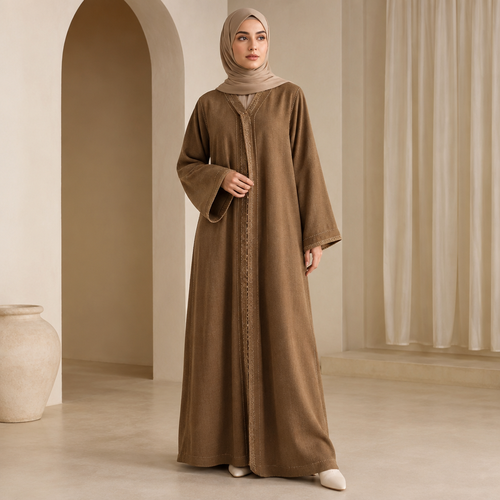
A Djellaba design, with a soft, cosy hand, with modest, full coverage: longer hemlines, higher necklines and covered sho...
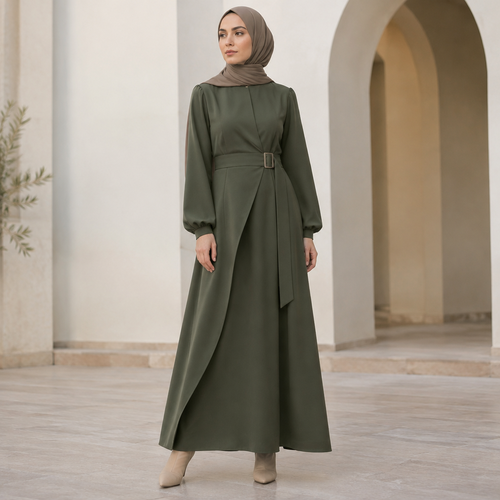
A Female Dress design, with modest, full coverage: longer hemlines, higher necklines and covered shoulders, suitable for...
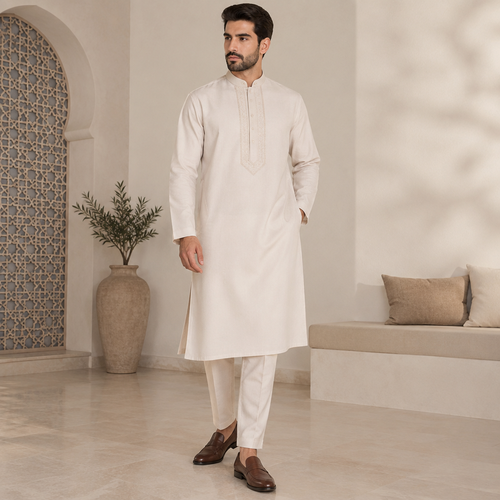
A Kurta design, in Minimalist + Business style. جميل. Morocco fashion aesthetics. Present it as professional fashion cat...
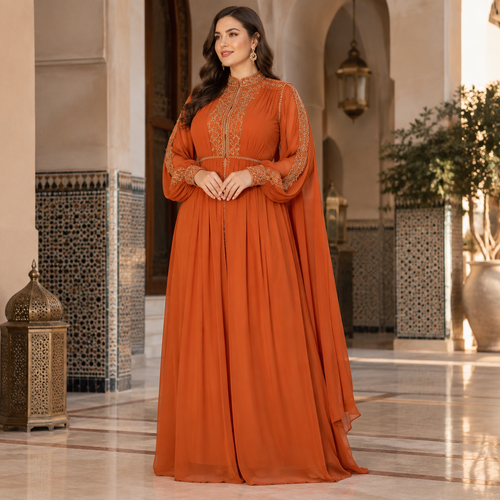
A Female Dress design, made of Chiffon, with a soft, cosy hand, with a Relaxed silhouette, with modest, full coverage: l...
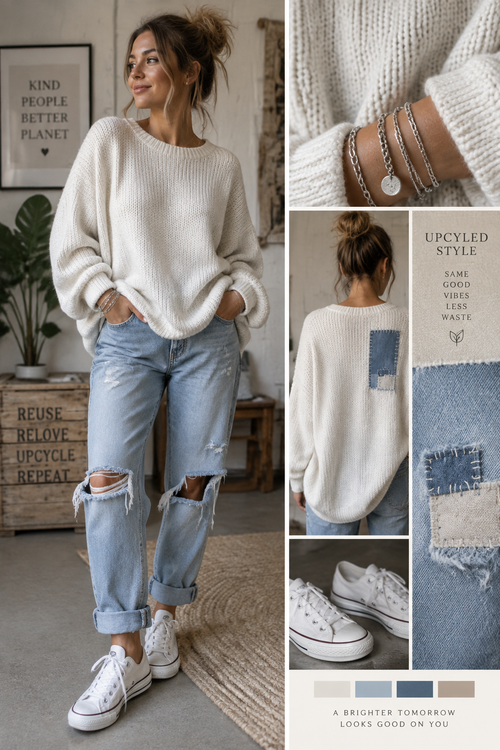
:* Oversized pearl-white knit sweater, light blue distressed jeans, white canvas shoes, matching silver bracelets.
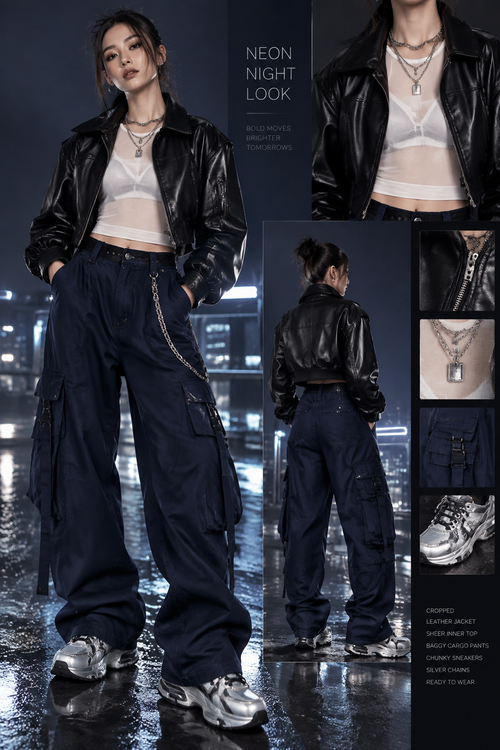
*One Outfit - Neon Night Look:* Black cropped leather jacket, white sheer inner top, midnight blue baggy cargo pants, c...
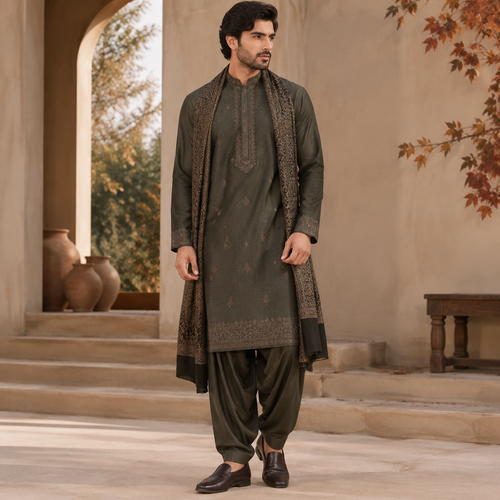
A Male Dress design, suitable for Fall. Consider Pakistani fashion — shalwar kameez, gharara, sharara; lawn fabrics, chi...
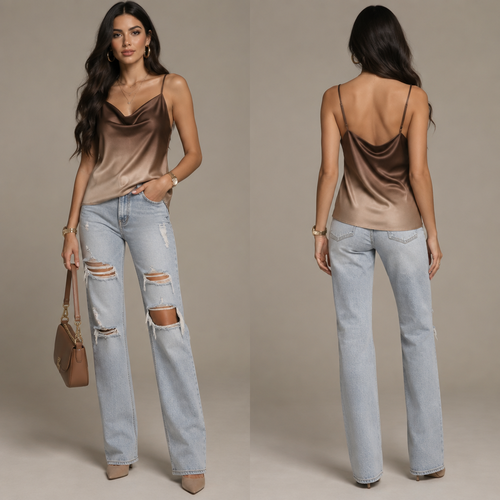
A Female Top design, made of Satin, with a sleek, smooth finish, with a Relaxed silhouette, with a minimal-coverage cut,...
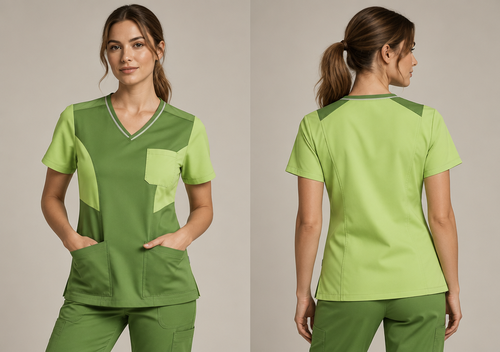
Sketch render
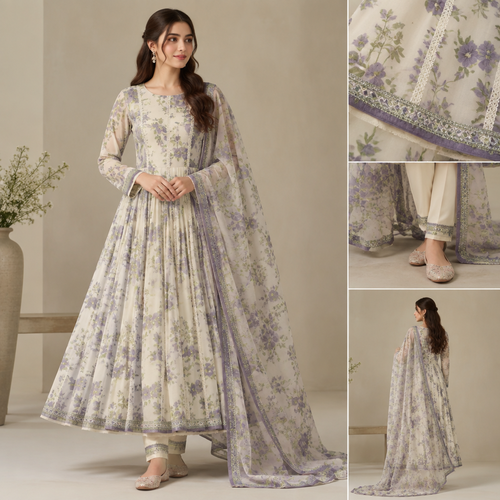
fabric ki pic hai iski ek frock banani hai aur frock laharon wali banani hai iske liye mujhe khubsurat ek frock design d...
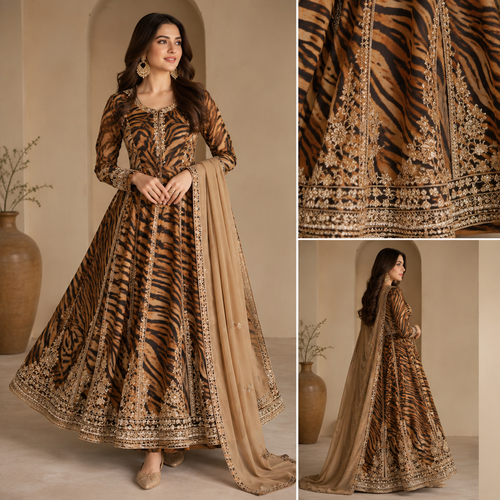
A Dress design. mujhe ek Anarkali frock chahie jiska color tiger print ho aur uske sath simple salwar aur frock ke palle...
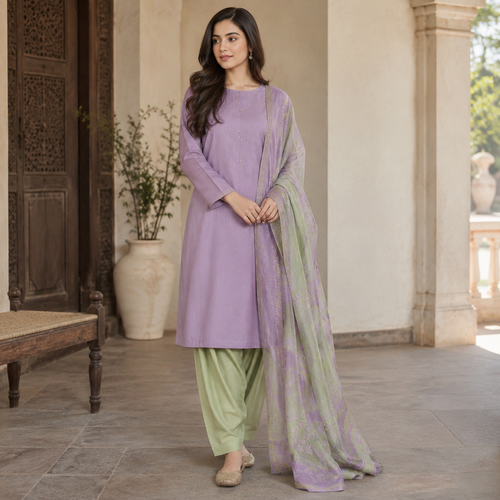
A Salwar Kameez design. simple kameez jiska color purple light purple hona chahie aur salwar ka color light green color ...
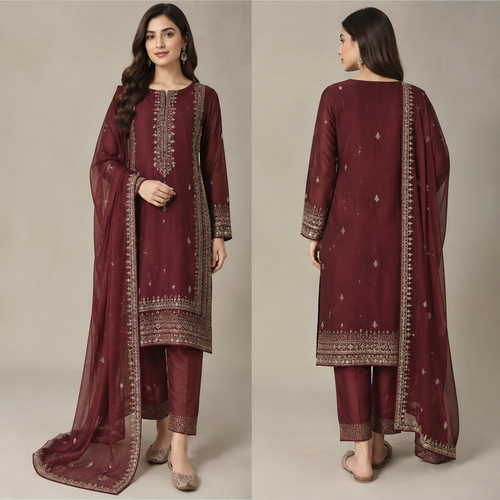
A Unisex fashion design. beautiful salwar kame kameez ka color marjinda salwar ka color maintenan. Pakistan fashion aes...
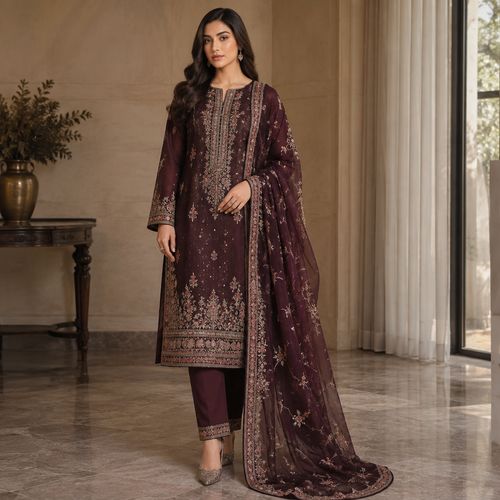
A Female Salwar Kameez design, suitable for Fall, in Formal style. Pakistan fashion aesthetics. Present it as profession...
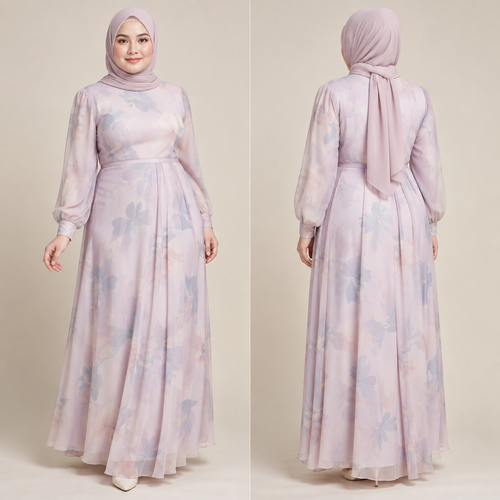
A Female Dress design, with a light, flowing drape, with a Fitted silhouette, with modest, full coverage: longer hemline...
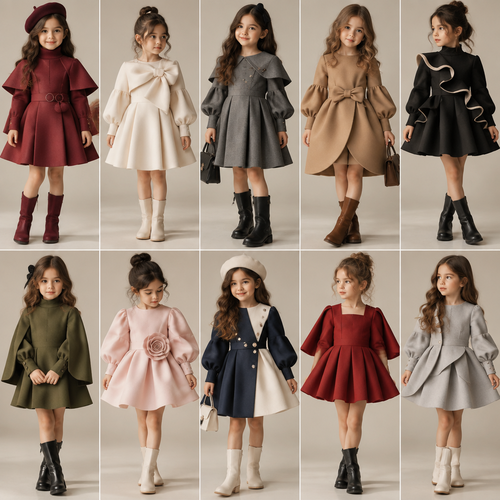
صمّم لي 10 موديلات ميني دريس بناتي للأطفال، تكون مبتكرة وغير تقليدية، وكل موديل مختلف تمامًا عن الآخر. أريد أفكار جديدة ...
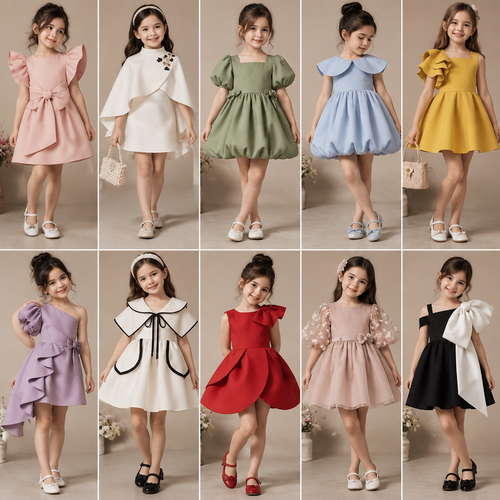
صمّم لي 10 موديلات ميني دريس بناتي للأطفال، تكون مبتكرة وغير تقليدية، وكل موديل مختلف تمامًا عن الآخر. أريد أفكار جديدة ...
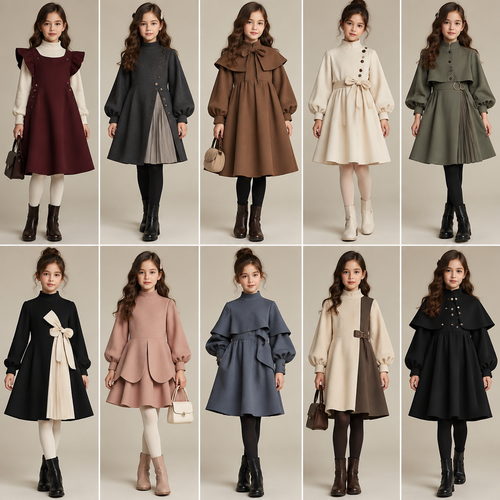
A Unisex Dress design, with modest, full coverage: longer hemlines, higher necklines and covered shoulders, suitable for...
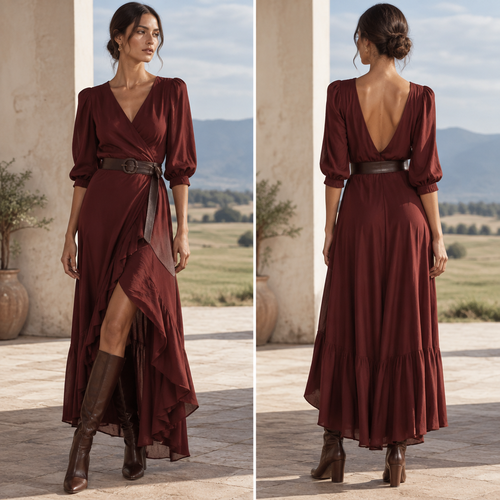
A Female Dress design, suitable for Spring. Consider Argentinian fashion — gaucho-inspired, European elegance, tango-inf...
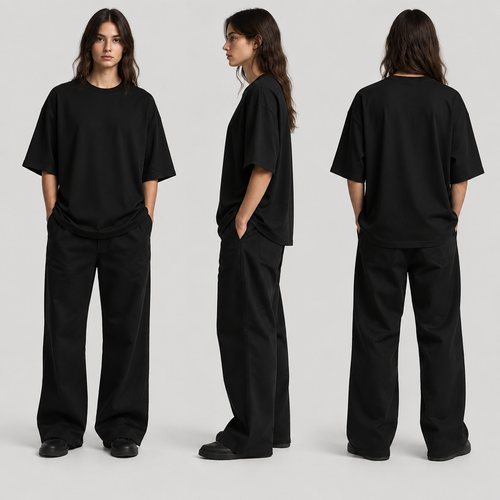
Female model
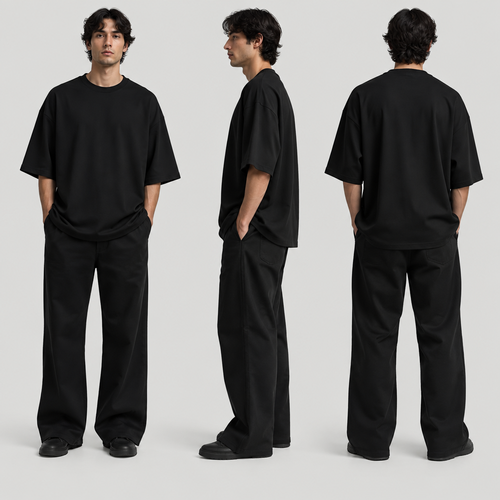
Black shirt black pants cotton fabric 100% oversized. The pants have small boot cut
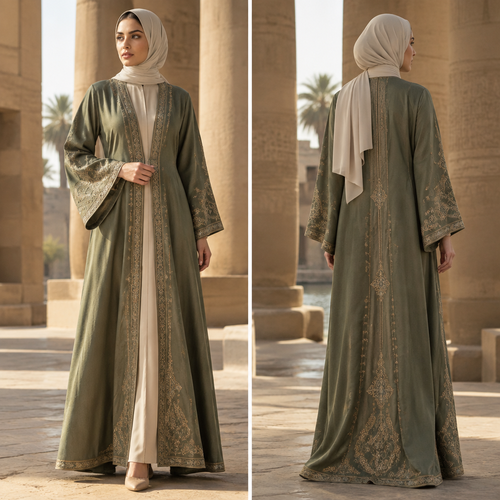
صمم زؤو بظبط. Egypt fashion aesthetics. Design with modest coverage. Present it as professional fashion catalogue photog...
![A Female Dress design, with modest, full coverage: longer hemlines, higher necklines and covered shoulders, suitable for Fall. 📄 بطاقة تنفيذ التصميم (الفستان، الدراعة، والجونتيات)
🎨 لوحة الألوان المعتمدة:
الفستان: بيج (كريمي أو نيود).
الدراعة والجونتيات: عنابي داكن / نبيذي (Deep Burgundy) كما في الصورة المرسلة [0.6.1، 0.6.14].
الأزرار: كريستال لامع وفخم [0.6.4، 0.6.11].
👗 تفاصيل الفستان (الأساس):
القصة: مخصّر وضيق ومحدد على شكل الجسم.
الطول: طويل بالكامل (ماطول).
الأكمام: نصف كم (قصيرة) لإتاحة المجال لارتداء الجونتيات.
🧥 تفاصيل الدراعة (العباءة العلوية):
العنق والياقة: ياقة مرتفعة مقفلة تماماً ومثبتة بـ أزرار كريستالية ظاهرة.
القصة من الأمام: مفتوحة بالكامل ومكشوفة ابتداءً من أسفل ياقة العنق مباشرة (منطقة الصدر وما أسفلها مفتوحة لإظهار الفستان البيج).
الطول: طويلة ومسترسلة بالكامل.
🧤 تفاصيل الجونتيات (القفازات):
اللون: عنابي داكن مطابِق للدراعة.
الطول: قفازات طويلة تمتد على الذراع لتلتقي مع نصف كم الفستان.
تقصير لاكمام قليل والخصر فيهو حزام ملفوف حول الخصر وعلية وردة وسط وحولينها كرستالت زي السكسك بلون العنابي الدفئ. Egypt fashion aesthetics. Present it as professional fashion catalogue photography: the garment is the subject, shown full-length with editorial styling, neutral posing and tasteful, non-suggestive framing.](https://media.fashiondesign.ai/d3eb0681-96ad-4ad1-9425-2fb26e465feb-thumbnail.png)
A Female Dress design, with modest, full coverage: longer hemlines, higher necklines and covered shoulders, suitable for...
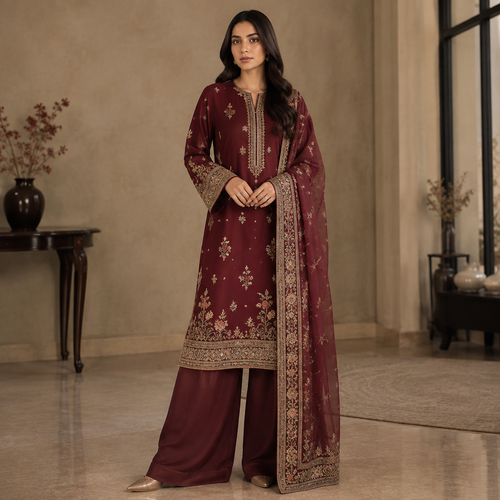
A Female Dress design, suitable for Fall. fashion designing. Pakistan fashion aesthetics. Present it as professional fas...
![A Female Dress design, with modest, full coverage: longer hemlines, higher necklines and covered shoulders, suitable for Fall. 📄 بطاقة تنفيذ التصميم (الفستان، الدراعة، والجونتيات)
🎨 لوحة الألوان المعتمدة:
الفستان: بيج (كريمي أو نيود).
الدراعة والجونتيات: عنابي داكن / نبيذي (Deep Burgundy) كما في الصورة المرسلة [0.6.1، 0.6.14].
الأزرار: كريستال لامع وفخم [0.6.4، 0.6.11].
👗 تفاصيل الفستان (الأساس):
القصة: مخصّر وضيق ومحدد على شكل الجسم.
الطول: طويل بالكامل (ماطول).
الأكمام: نصف كم (قصيرة) لإتاحة المجال لارتداء الجونتيات.
🧥 تفاصيل الدراعة (العباءة العلوية):
العنق والياقة: ياقة مرتفعة مقفلة تماماً ومثبتة بـ أزرار كريستالية ظاهرة.
القصة من الأمام: مفتوحة بالكامل ومكشوفة ابتداءً من أسفل ياقة العنق مباشرة (منطقة الصدر وما أسفلها مفتوحة لإظهار الفستان البيج).
الطول: طويلة ومسترسلة بالكامل.
🧤 تفاصيل الجونتيات (القفازات):
اللون: عنابي داكن مطابِق للدراعة.
الطول: قفازات طويلة تمتد على الذراع لتلتقي مع نصف كم الفستان.. Egypt fashion aesthetics. Present it as professional fashion catalogue photography: the garment is the subject, shown full-length with editorial styling, neutral posing and tasteful, non-suggestive framing.](https://media.fashiondesign.ai/b5c3d34e-d7fb-4069-96ef-b46444fa1b20-thumbnail.png)
A Female Dress design, with modest, full coverage: longer hemlines, higher necklines and covered shoulders, suitable for...
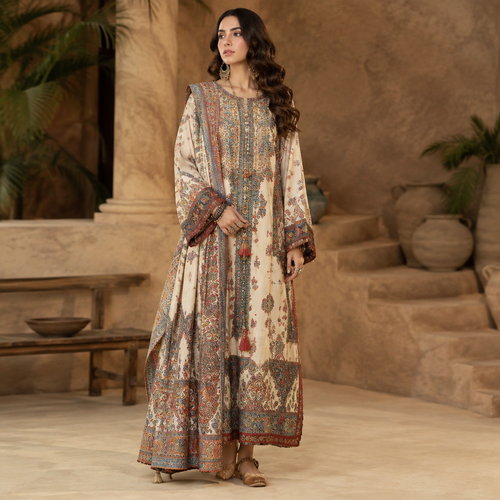
in Bohemian style. Pakistan fashion aesthetics. Present it as professional fashion catalogue photography: the garment is...
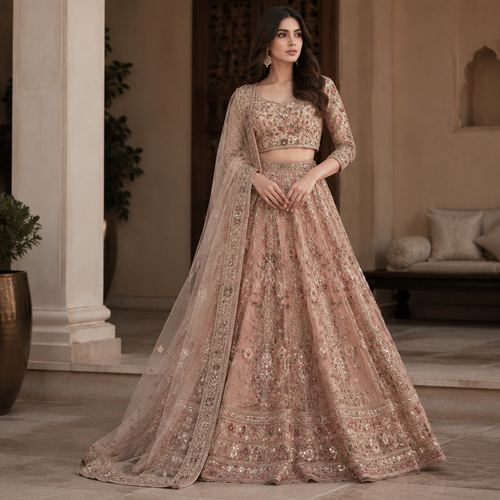
A Lehenga design. Consider Pakistani fashion — shalwar kameez, gharara, sharara; lawn fabrics, chiffon; intricate embroi...
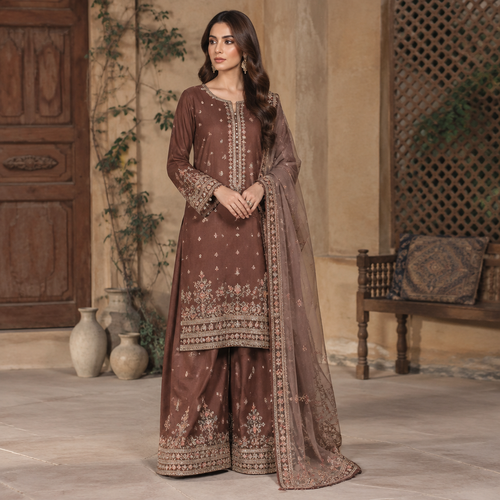
A Female Dress design, suitable for Fall. Consider Pakistani fashion — shalwar kameez, gharara, sharara; lawn fabrics, c...
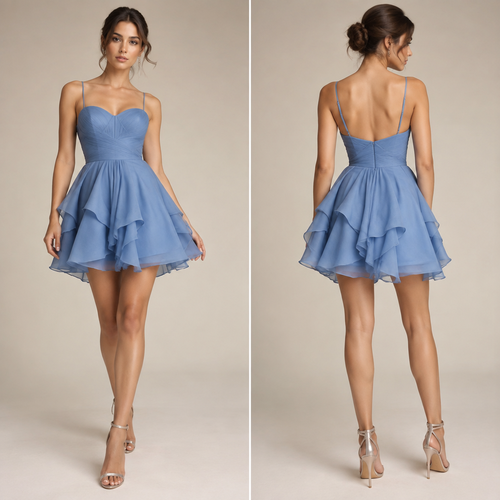
A Female Dress design, in Elegant style. creame un vestido azul corto. DO fashion aesthetics. Present it as professional...
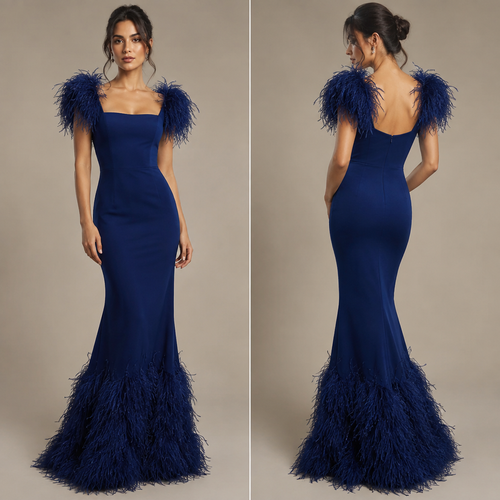
creame un vestido con pluma abajo y en los hombros y que sea azul entero. DO fashion aesthetics. Present it as professio...
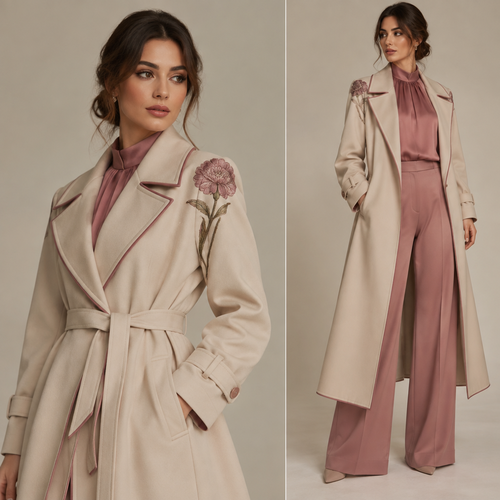
جاكيت ترنش قماش فخم طويل ميدي وعليه تطريز عند الكتف زهرة القرنفل لون الجاكيت بيج او عاجي حوافه بخيوط نفس لون الورد/ نفس ...
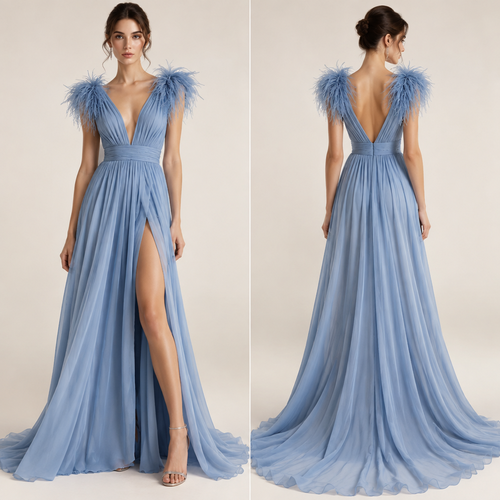
A Female Dress design, suitable for Summer. lo quiero así mismo pero azul con plumas en los hombros. DO fashion aestheti...
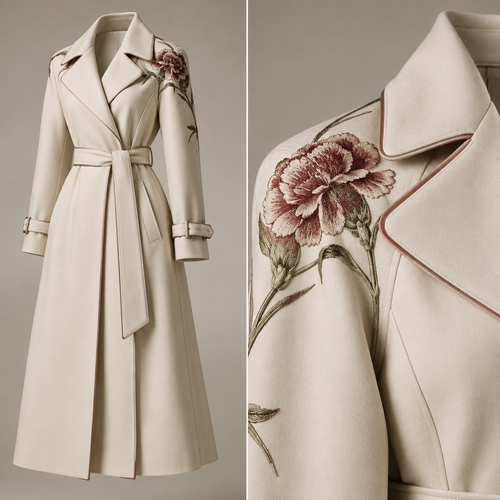
جاكيت ترنش قماش فخم طويل ميدي وعليه تطريز عند الكتف زهرة القرنفل لون الجاكيت بيج او عاجي حوافه بخيوط نفس لون الورد
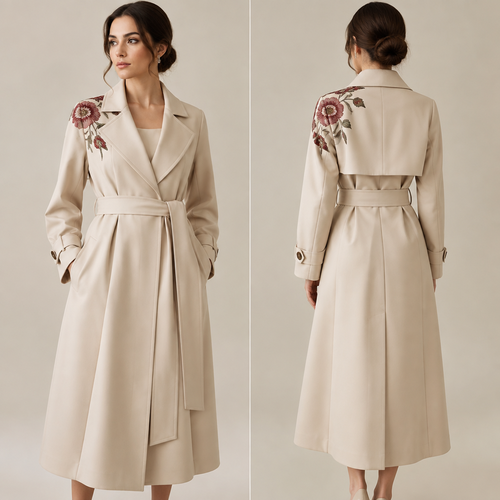
جاكيت ترنش قماش فخم طويل ميدي وعليه تطريز عند الكتف زهرة القرنفل لون الجاكيت بيج او عاجي
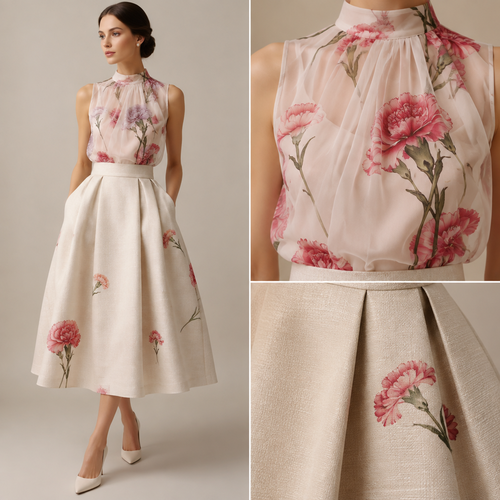
صمم تنورة اقمشة تيد بيكر مع طباعة زهرة القرنفل .. والبلوزة شيفون بلا اكمام وعليها كذلك طبعة زهرة القرنفل خفف الورد بالتن...