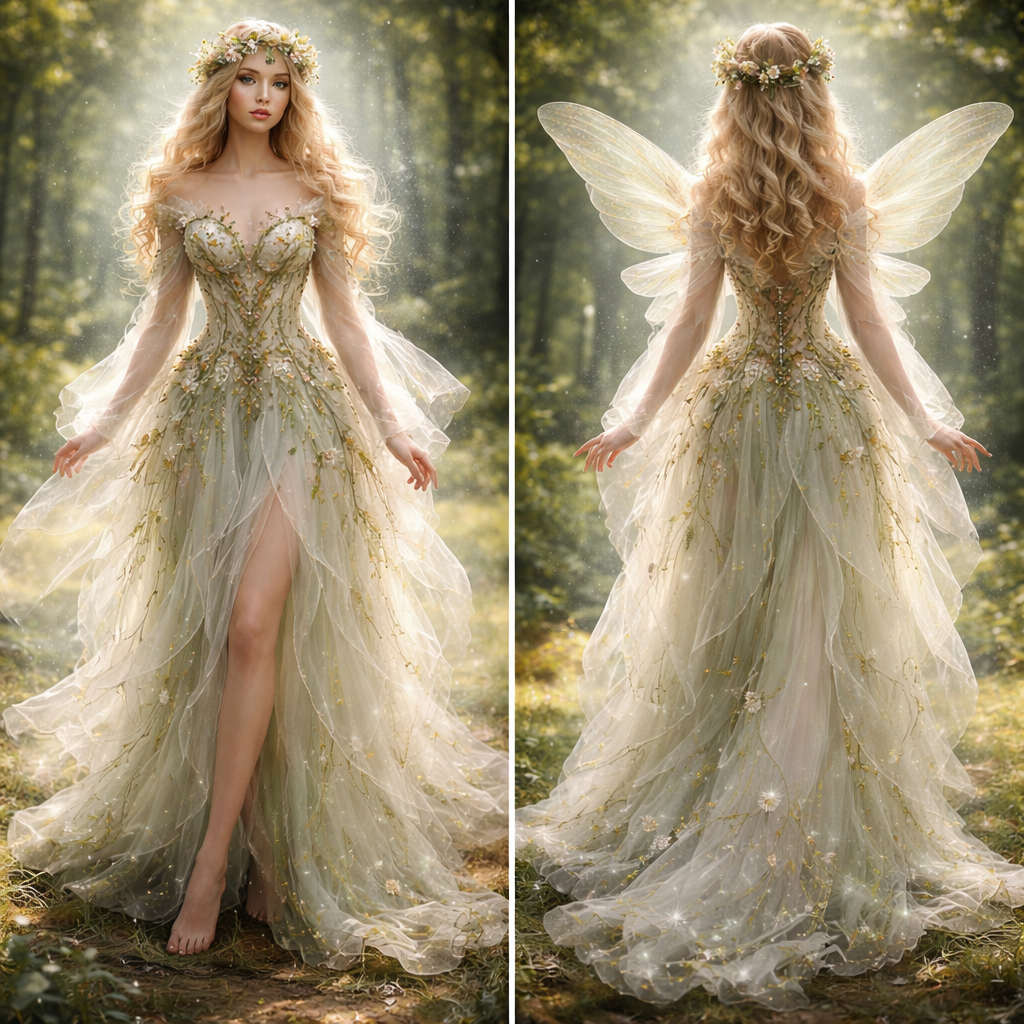
Her clothing is nature-inspired, light, and airy. Her costume most closely resembles that of a fairy: a dress made of delicate materials—such as silk or translucent linen—that almost becomes one with its wearer. The dress is decorated with ruffles that evoke the trembling of leaves and the movement of the wind, making Tünde’s figure appear constantly in motion, lively and alive. The floral motifs appearing on the dress create a close connection with nature. These may take the form of embroidered flowers, small flower garlands, or ornaments woven from real plants, all of which emphasize Tünde’s supernatural realm. Flowers symbolize renewal, love, and the beauty of life, thus reflecting Tünde’s inner qualities as well. In terms of color, the costume features light, pastel shades: white, pale green, gold, or light blue tones. These colors further enhance Tünde’s pure, ethereal character and stand in sharp contrast to the rougher, darker figures of the earthly world. Overall, Tünde’s costume and appearance serve not merely an aesthetic function but also carry symbolic meaning: her outward features represent the world of nature, love, and ideal happiness. This fairy-like appearance makes her the object of Csongor’s desire and elevates her above earthly existence, to the level of unattainable yet deeply longed-for perfection.
More Vintage
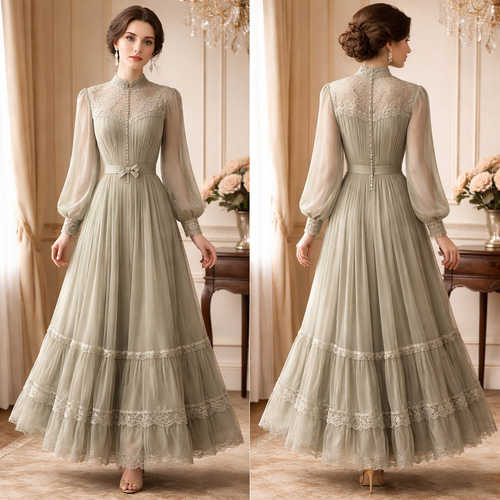
Modest ,elegant and vintage
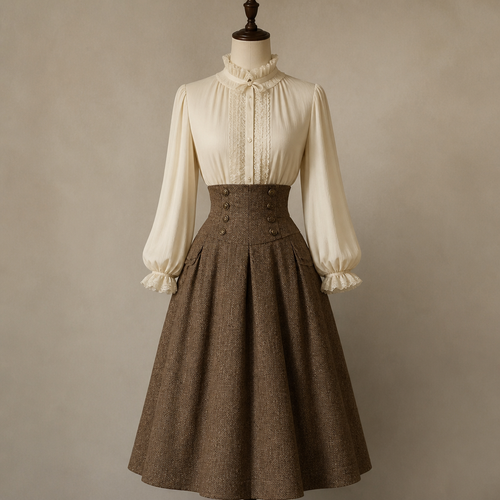
in Vintage style. TJ fashion aesthetics.
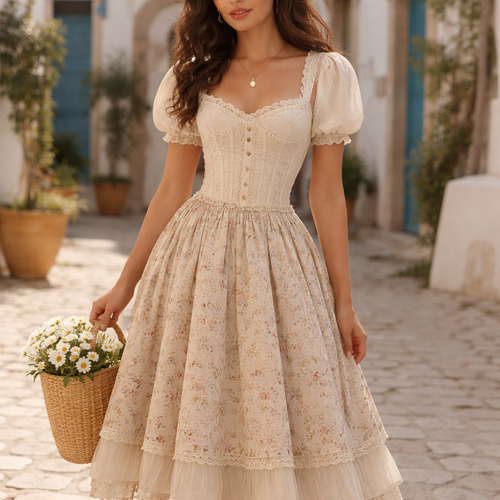
A Female Dress design, suitable for Spring, in Vintage style. corset skirt dress vintage for college not fancy but sophi...
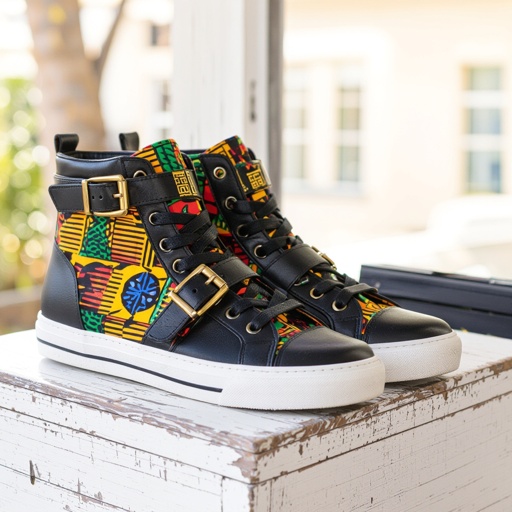
Can I get a hightop with a fusion of zannoti, gucci, versace and prada. Very luxurious and exotic and elegant. A little ...
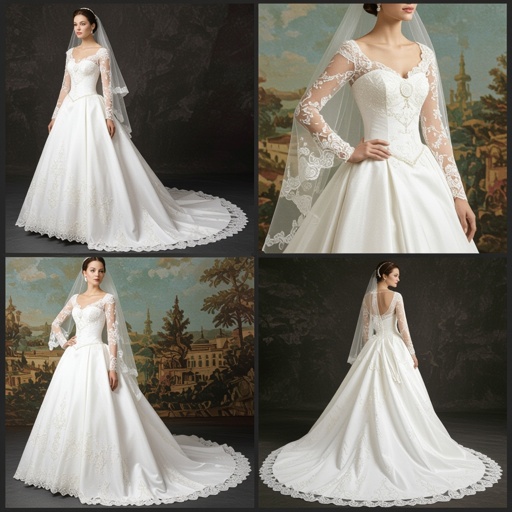
Wedding dress of Neptune
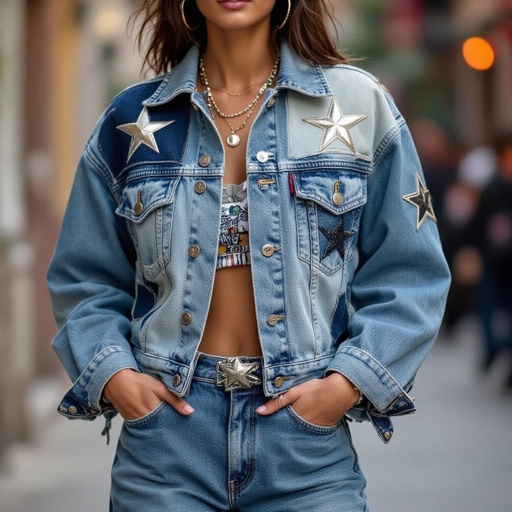
I want denim designs like double rl patchwork with flavor of crome heart detailing with amiri kind of star patch work wi...
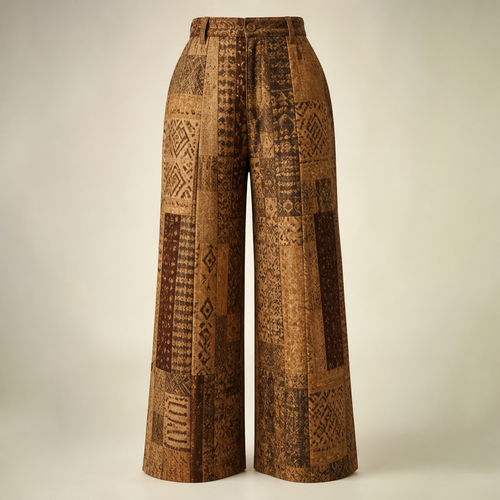
A Pants design, in Vintage style. Nigeria fashion aesthetics.
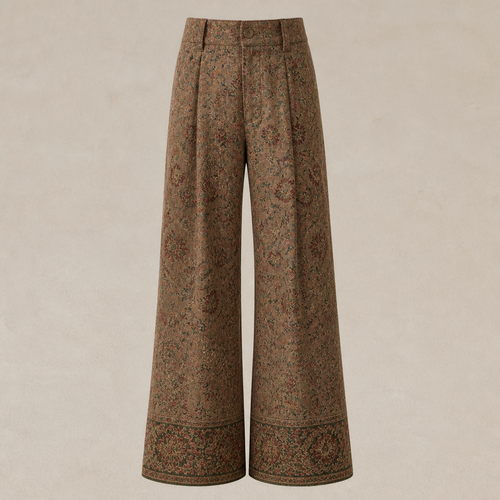
A Pants design, in Vintage style. India fashion aesthetics.
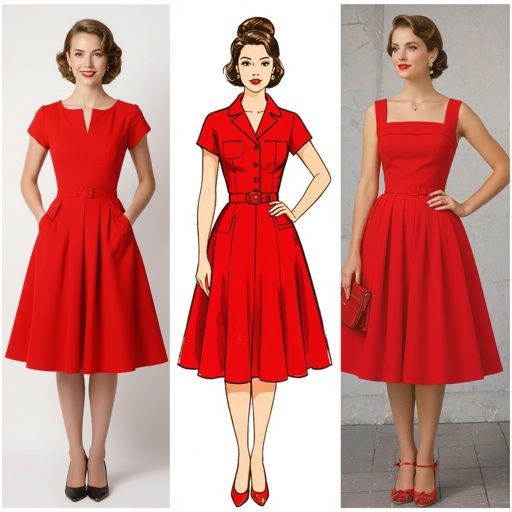
Yes
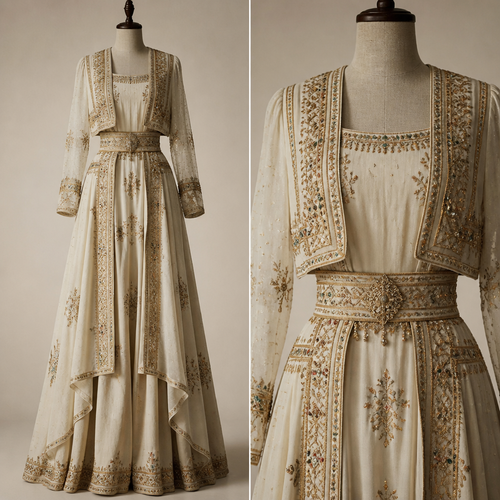
in Vintage style. Algeria fashion aesthetics.
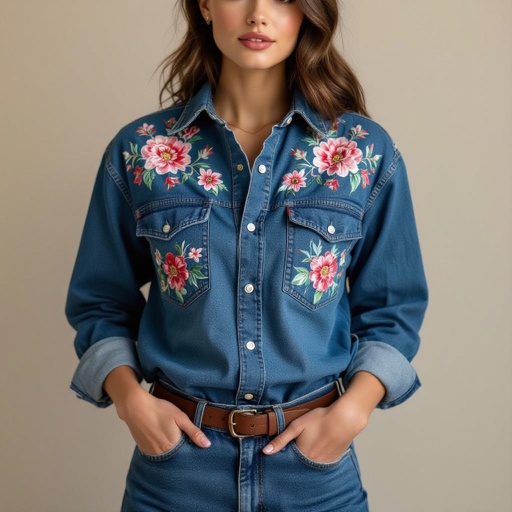
Flower prints in vintage denim shirt
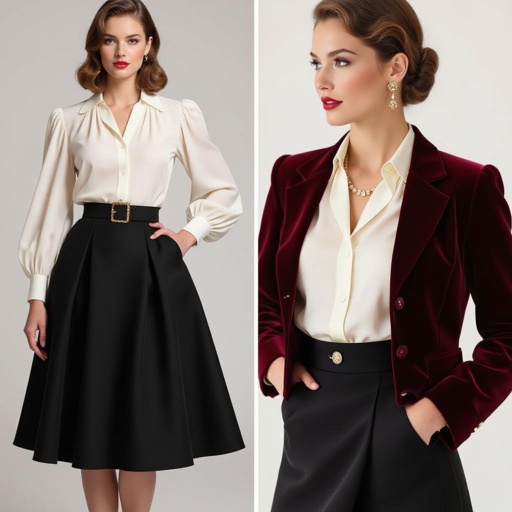
Vintage outfit
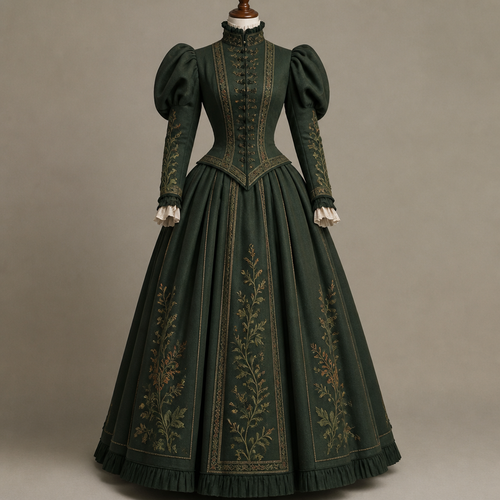
A Female Dress design, suitable for Winter, in Vintage style. Eu quero uma versão bem vintage bem linda também ela tem q...
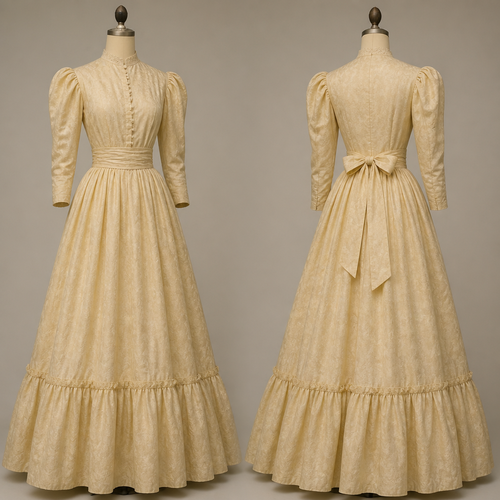
A Dress design, in Vintage style
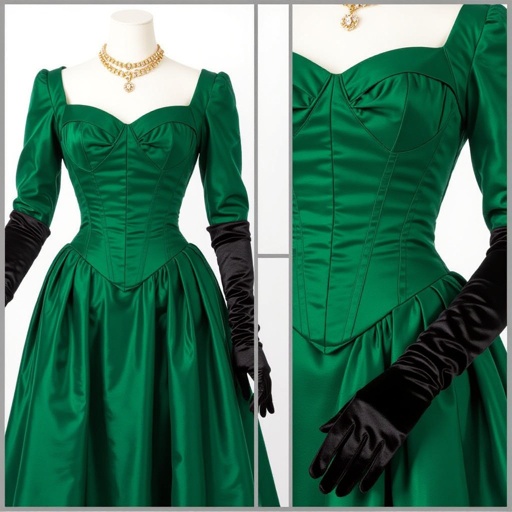
I want a rich royal jade green dress, very eye-catching with gold accessories, a corset and gloves.
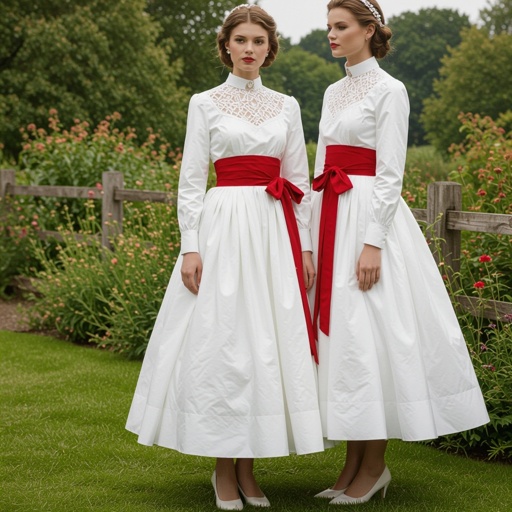
Bridal Waite drees with big scarlet in the chest perils
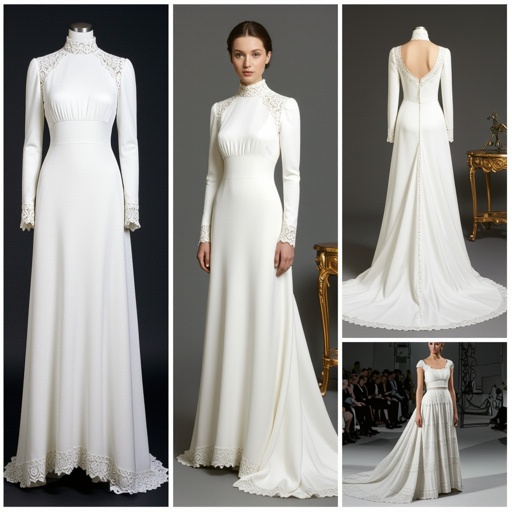
Wedding dress from narnia
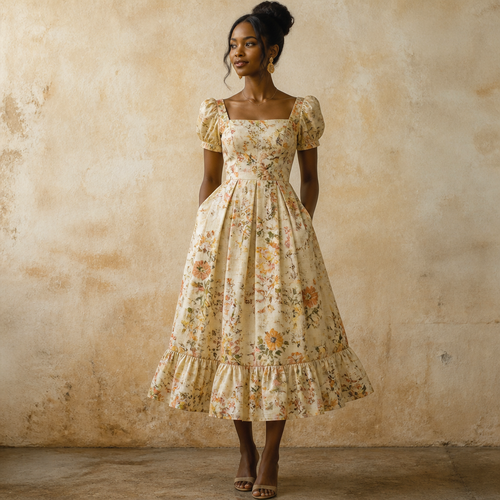
A Female Dress design, suitable for Summer, in Vintage style. Nigeria fashion aesthetics.
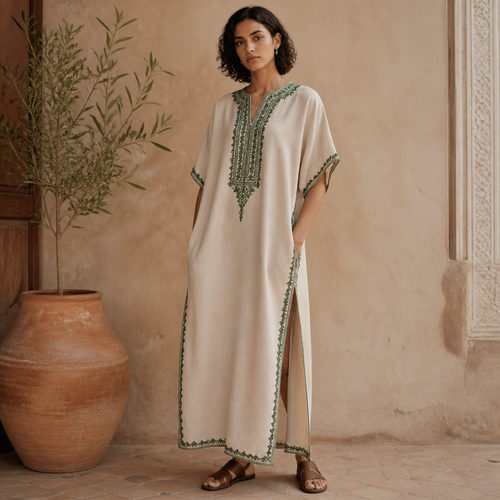
A Unisex Dress design, suitable for Summer, in Vintage style. Morocco fashion aesthetics.
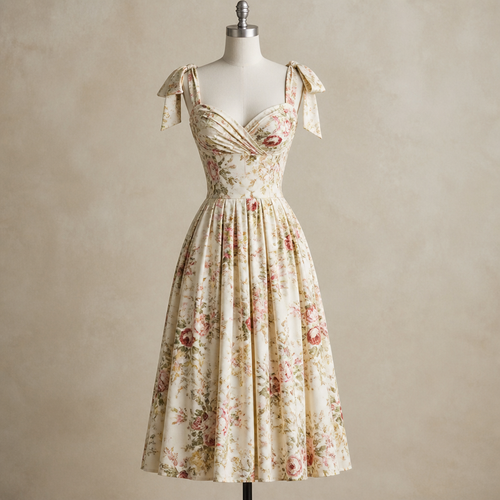
A Female Dress design, suitable for Summer, in Vintage style. AO fashion aesthetics.
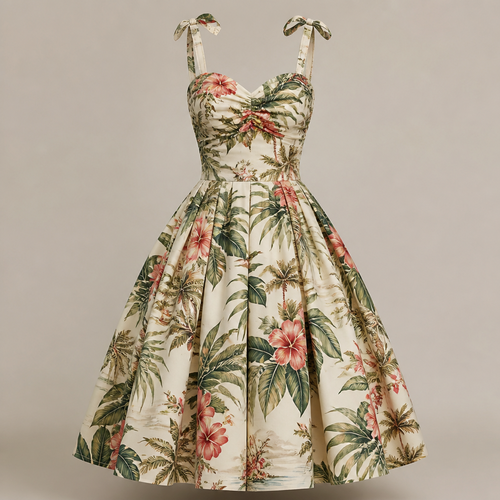
A Dress design, suitable for Summer, in Vintage + Tropical style. VE fashion aesthetics.
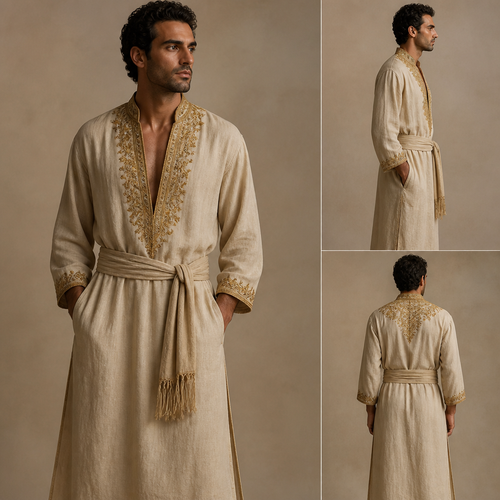
A Male Dress design, suitable for Summer, in Vintage style. Egypt fashion aesthetics.
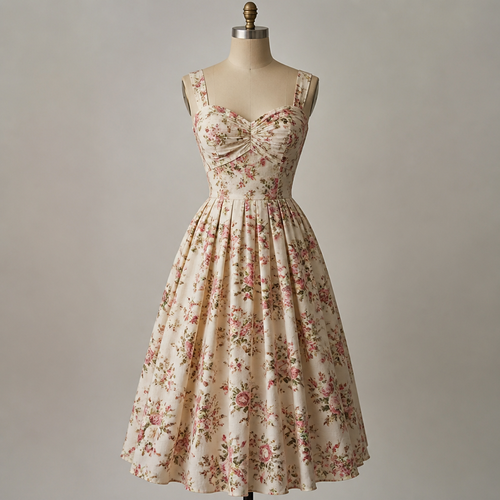
A Female Dress design, suitable for Summer, in Vintage style
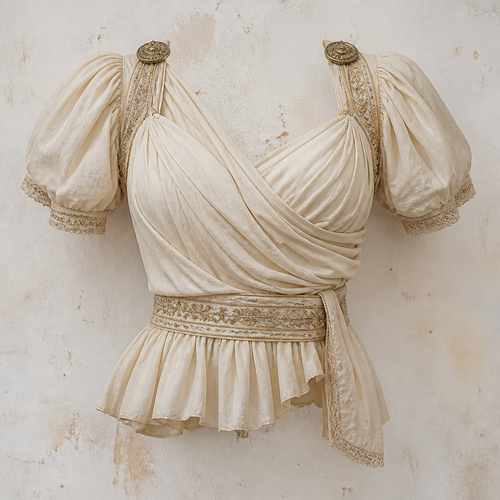
A Top design, in Vintage style. Greece fashion aesthetics.
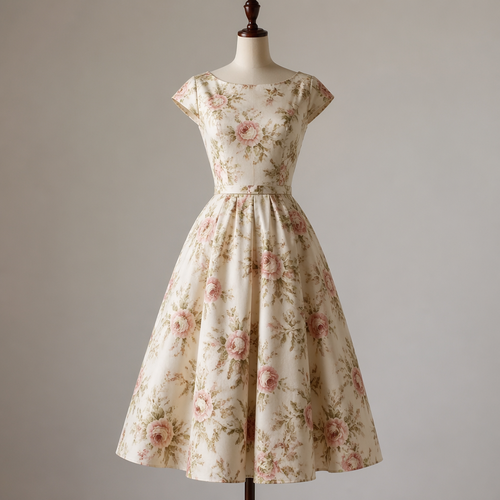
A Female Dress design, suitable for Spring, in Vintage style
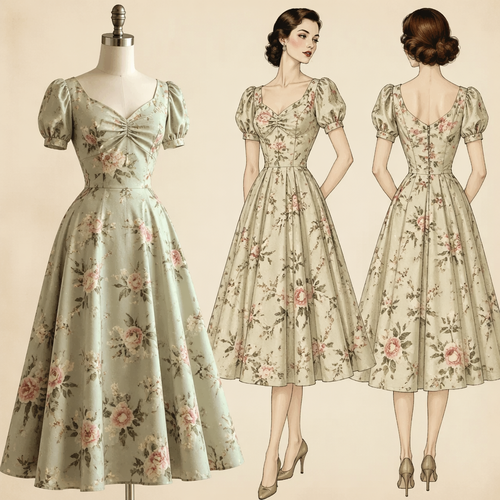
A Female Dress design, suitable for Spring, in Vintage style
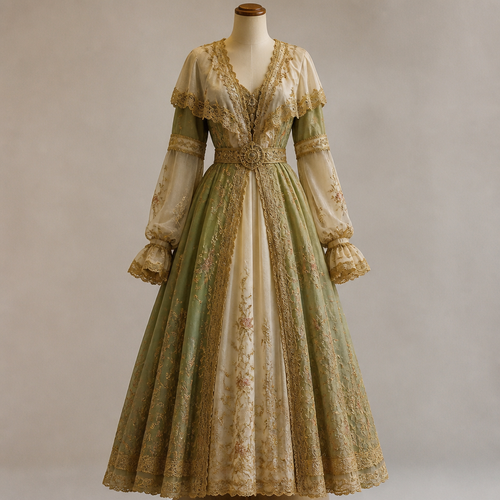
A Dress design, in Vintage style. Algeria fashion aesthetics.
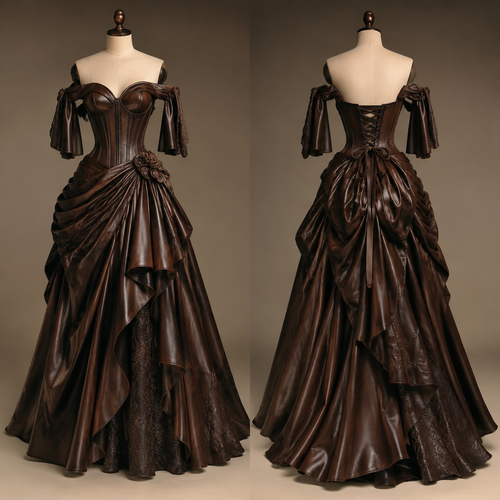
Vintage dinner dress with a leather fabric, something different and unique
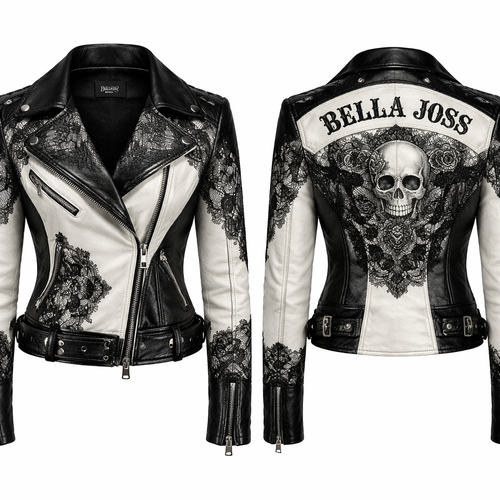
Bella Joss motor jacket vintage with lace black and white
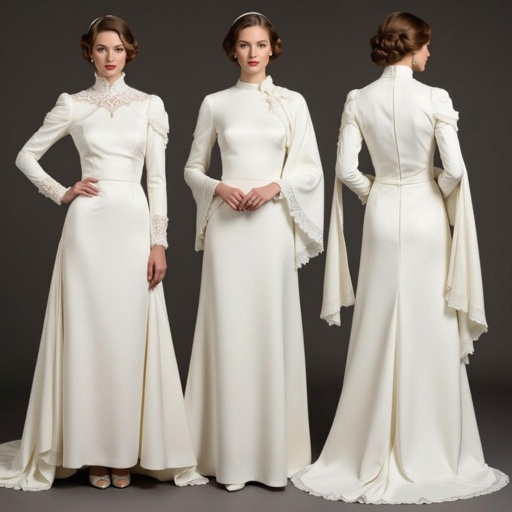
wedding dress of a star
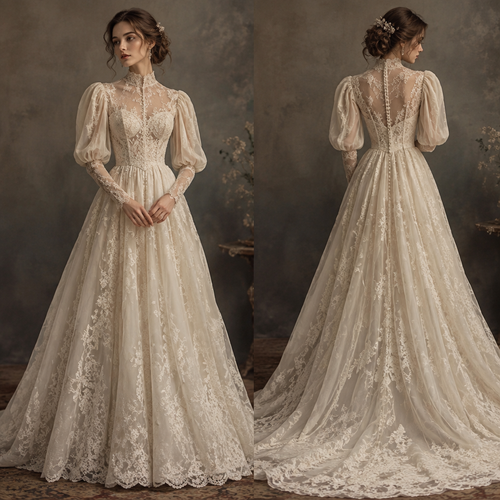
I need a vintage bridal dress
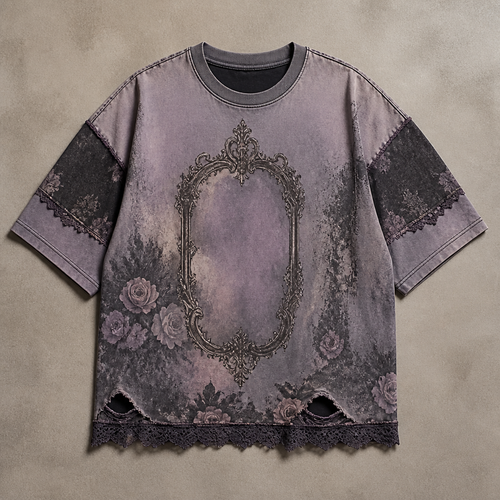
A Unisex Top design, for Streetwear, suitable for Summer, in Vintage + Retro + Pastel Goth style
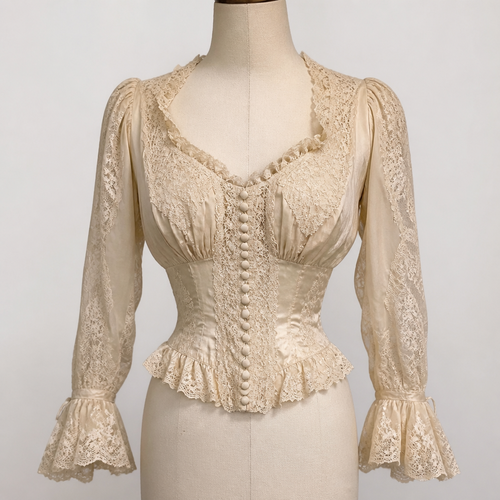
A Female Top design, in Vintage style. IR fashion aesthetics.
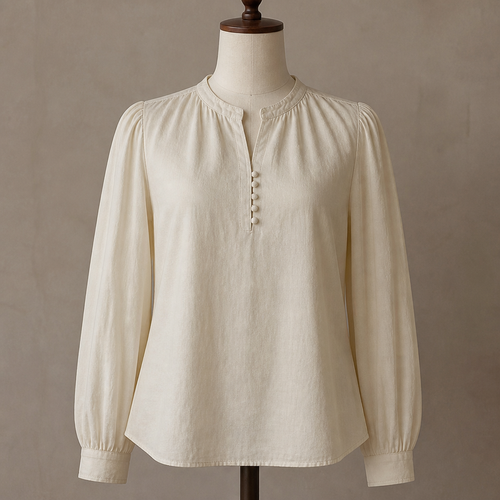
A Top design, in Vintage style. plain. India fashion aesthetics.
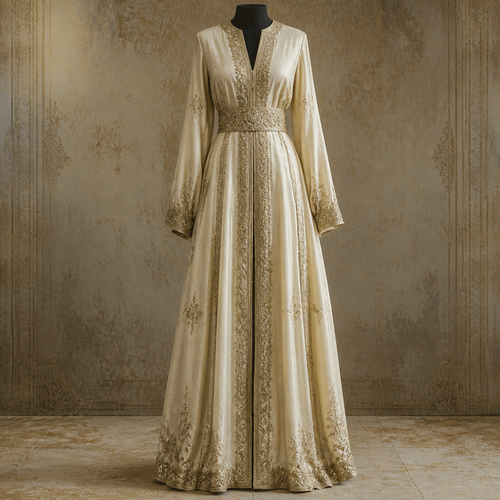
A Dress design, in Vintage style. Saudi Arabia fashion aesthetics.
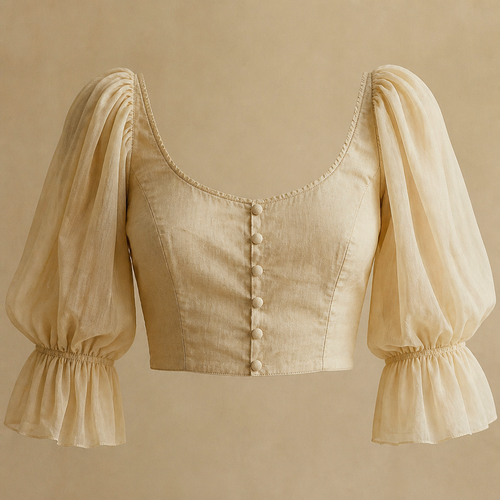
A Top design, in Vintage style. plain. India fashion aesthetics.
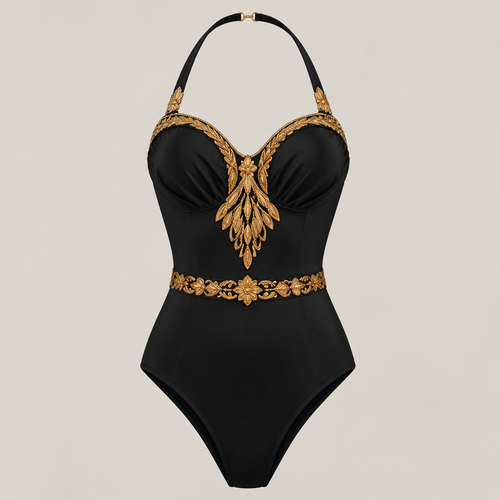
A Female Swimwear design, in Vintage style. черный купальник с золотыми украшениями. Ukraine fashion aesthetics.
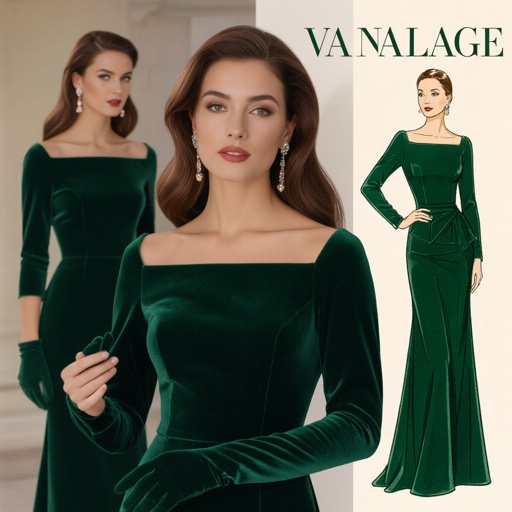
Vintage dress
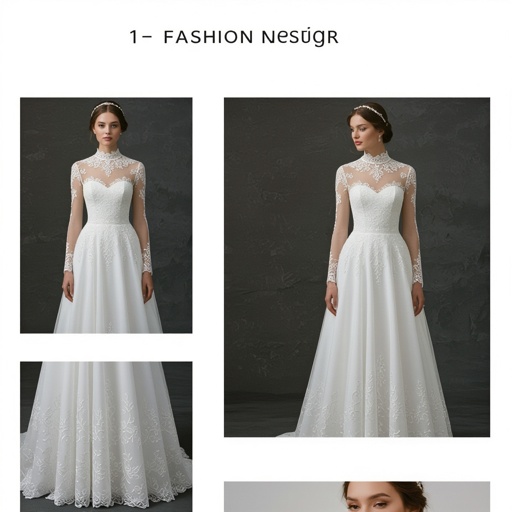
white vintage bridaldress
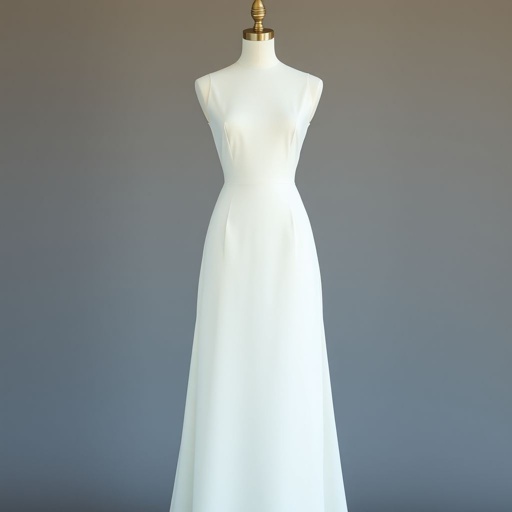
À gown with vintage material

vintage dress with bows
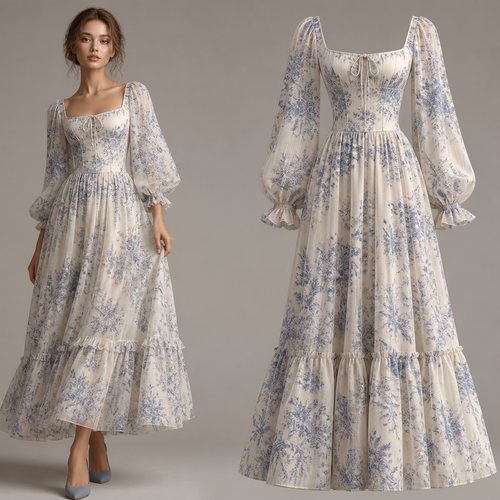
A Female Dress design, for Festival, suitable for Summer, in Vintage + Classic style. Russia fashion aesthetics.