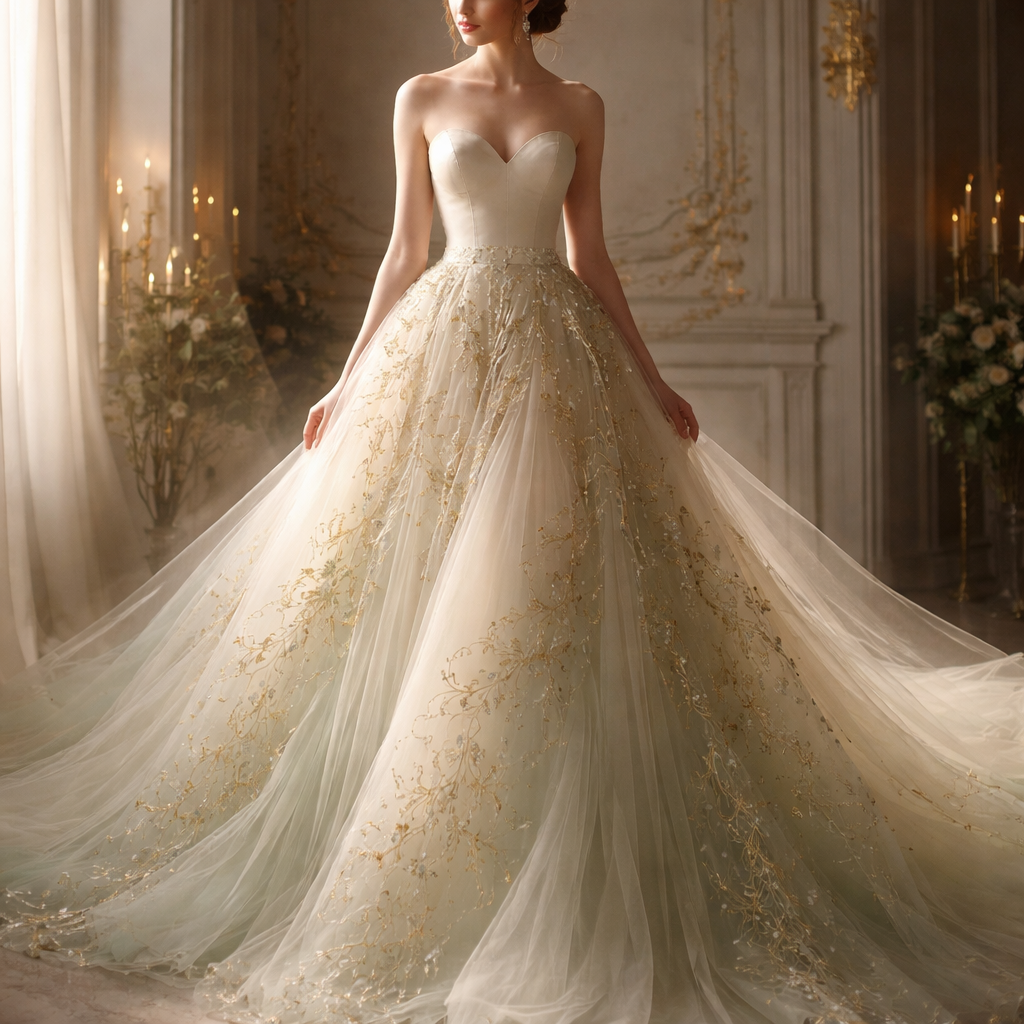
The gown begins with a structured ivory satin bodice, smooth and luminous, catching the candlelight with a soft, warm glow. It’s fitted through the waist, elegant but not restrictive—like it was shaped to her, not forcing her into it. From that foundation, the magic begins. Layered over the bodice and cascading down into the skirt are whisper-thin veils of champagne organza, each one edged in the faintest wash of pale sage green. Not bold—never obvious—but there, like the first hint of spring beneath melting snow. As she moves, those layers shift. The green doesn’t sit still—it breathes, appearing and disappearing in the folds, like leaves stirring under sunlight. Threaded across the gown is delicate gold embroidery, winding upward from the hem like living vines. • Fine tendrils curl and climb along the skirt • Tiny embroidered leaves, touched with the softest sage tint • Occasional hints of pearl or crystal nestled like dew drops The design isn’t symmetrical or rigid—it feels organic, as if the dress itself is growing around her. Some of those golden vines reach the bodice, tracing gently along her ribs and collarbone, as though nature itself is trying to claim her as its own. The skirt is full, but not heavy. It’s made of layer upon layer of sheer fabric, so when she walks, it doesn’t sway—it floats. The outermost layers are almost translucent, letting glimpses of ivory and that hidden sage glow beneath.
More Classic
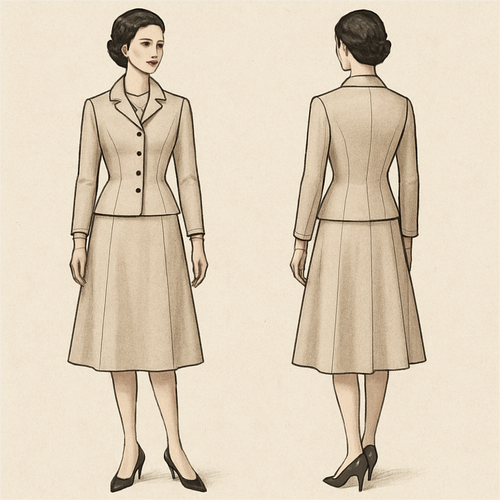
Classic
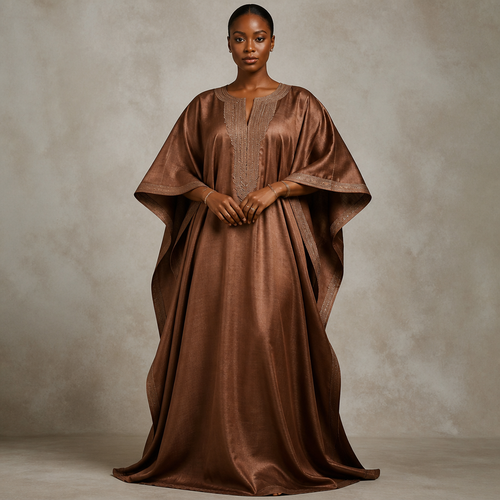
A Dress design, in Classic style. classic bubu dress. Nigeria fashion aesthetics.
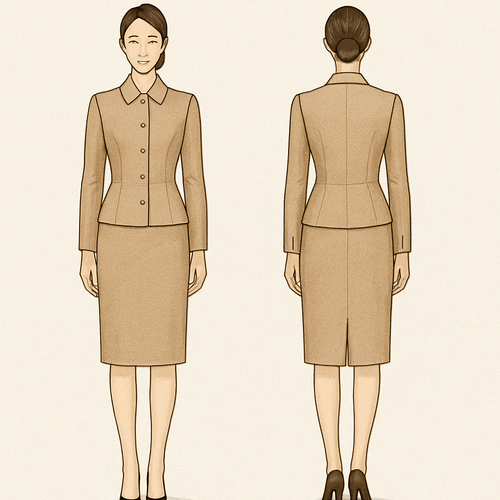
The design is daily it is classic
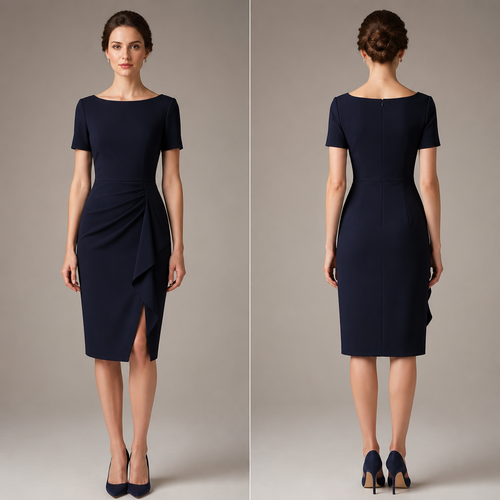
Classic dresses
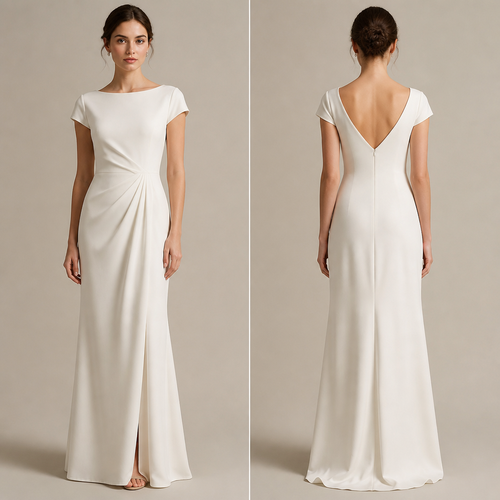
Simple and classic
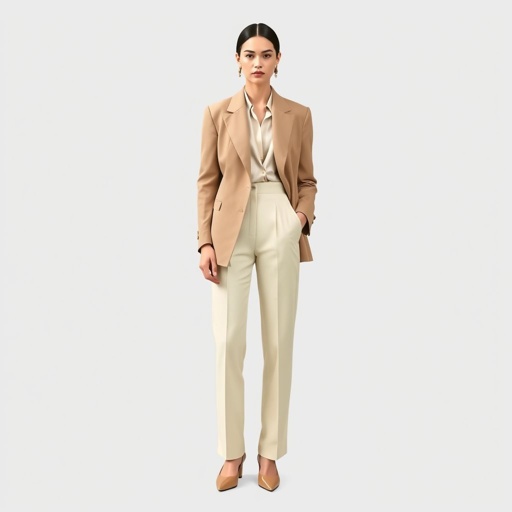
Classic
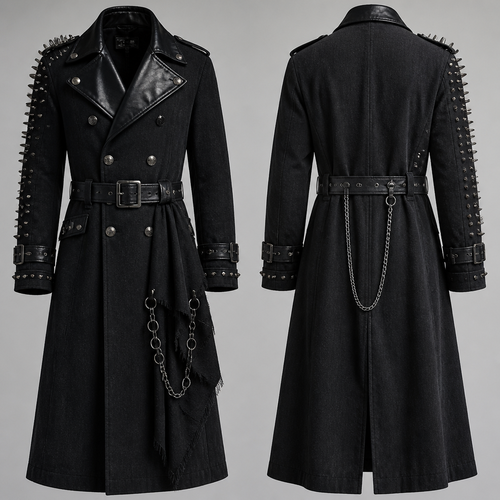
Classic

Classic
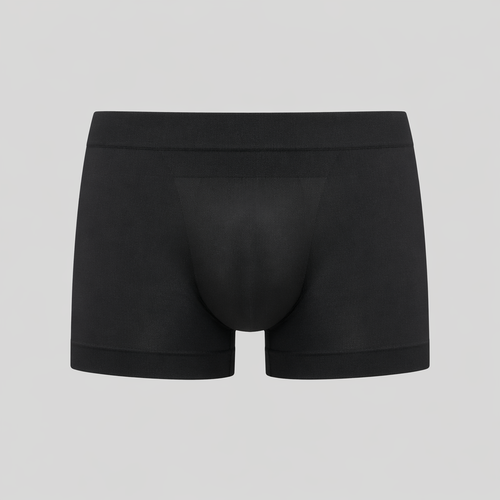
A Male Accessories design, in Classic style. Boxers black seamless, made for everyday use. Comfortable, simple and class...
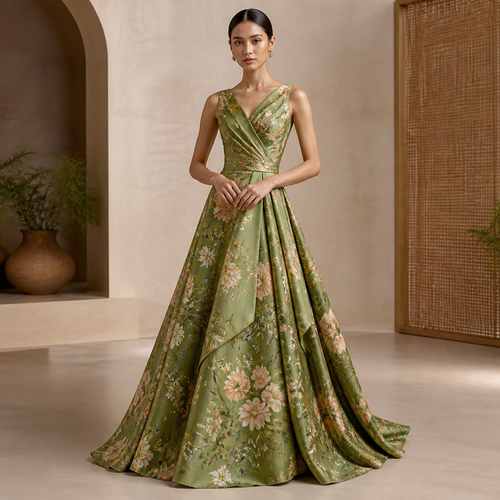
A Female Dress design, suitable for Summer, in Classic style. make the classic dress gown green colour with flowers. Ind...
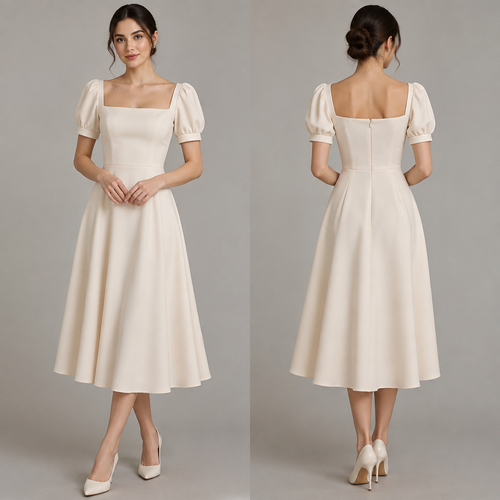
Simple ang classic
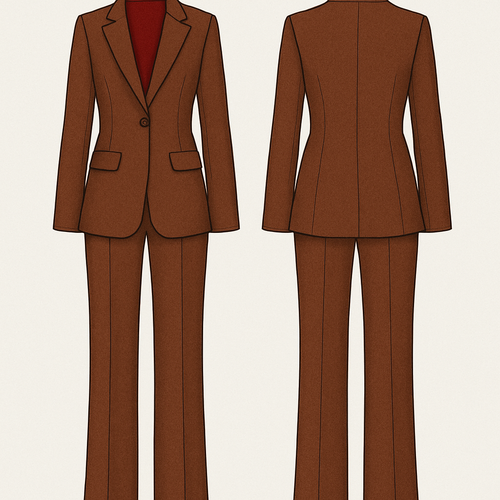
The design is daily it is classic it is brown and red and it is pans and a jacket
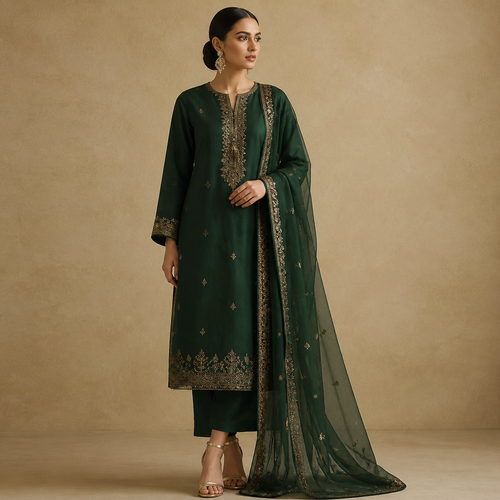
in Classic style. Pakistan fashion aesthetics.
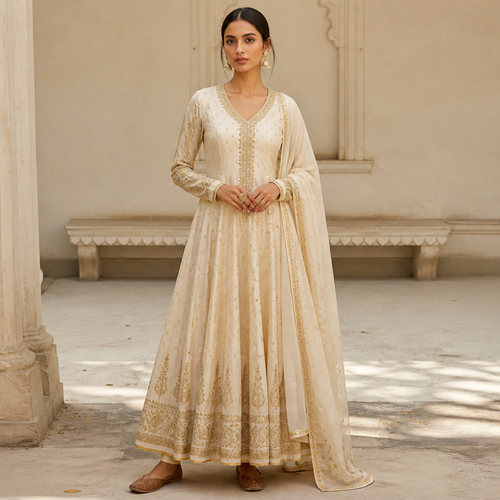
in Classic style. India fashion aesthetics.
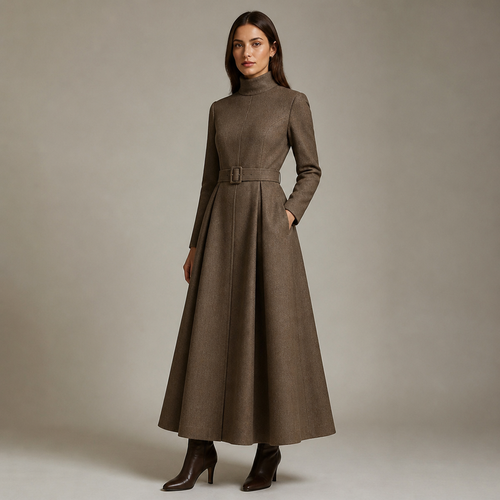
A Female Dress design, suitable for Winter, in Classic style. um vestido clássico. Brazil fashion aesthetics.
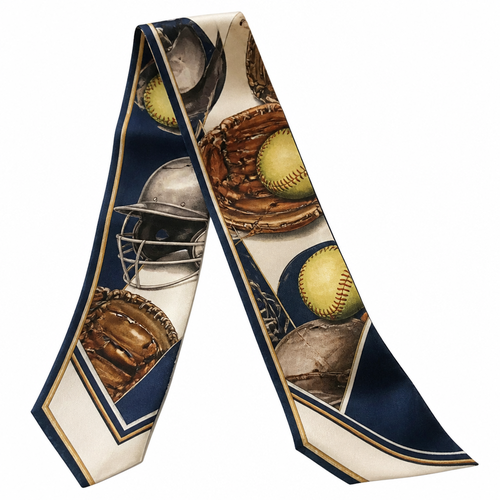
Design a silk twilly that is classic women’s softballs
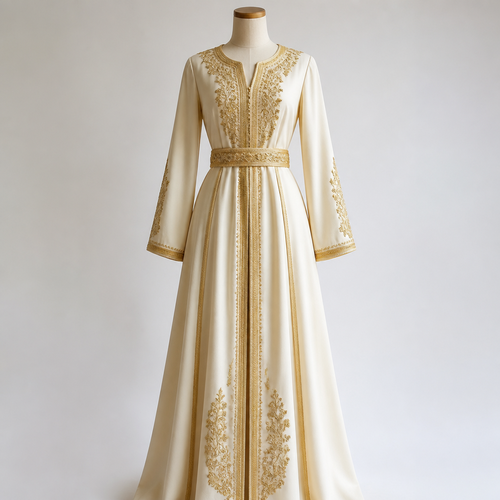
A Dress design, in Classic style. Algeria fashion aesthetics.
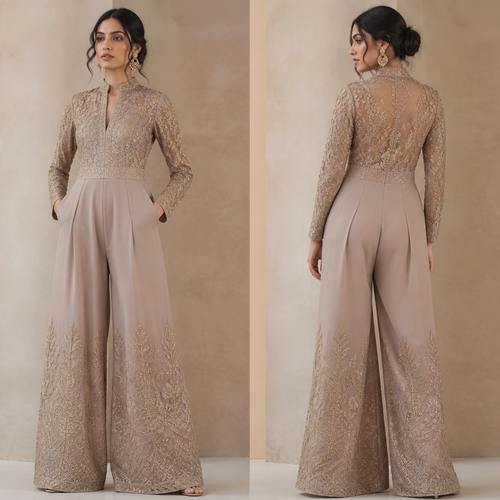
A Jumpsuit design, in Classic style. Pakistan fashion aesthetics.
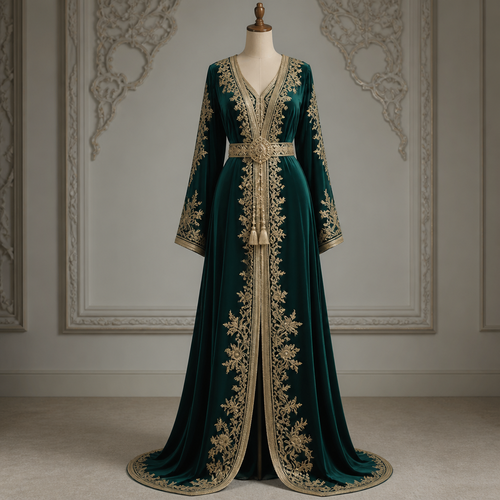
A Dress design, in Classic style. Morocco fashion aesthetics.
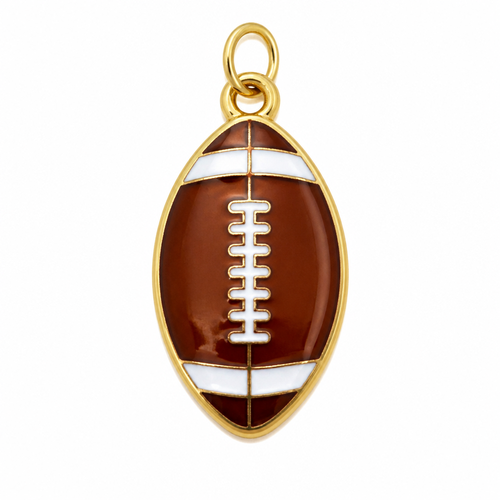
Create an enamel an American classic football charm for a bracelet
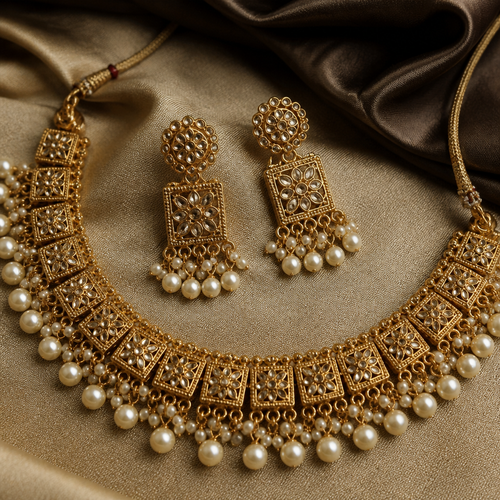
A Accessories design, in Classic style. India fashion aesthetics.

Create an enamel an American classic football charm for a bracelet

Create an enamel an American classic football charm for a bracelet
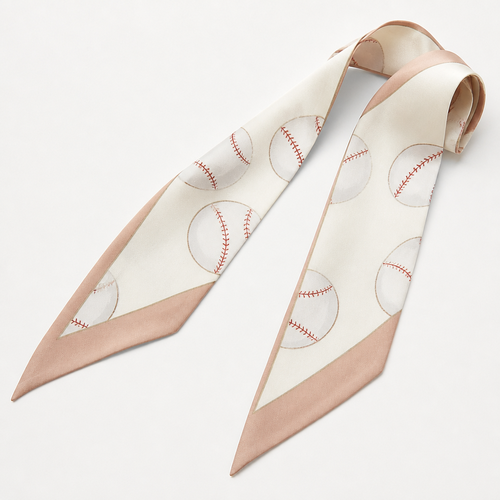
Design a silk twilly that is classic women’s softballs and super simple
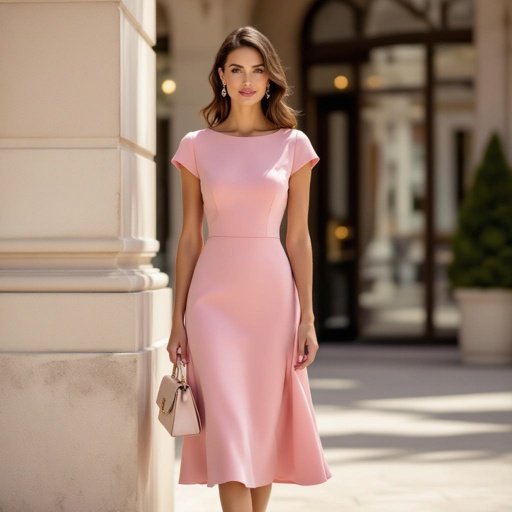
Dress fluffy pinky and curvy
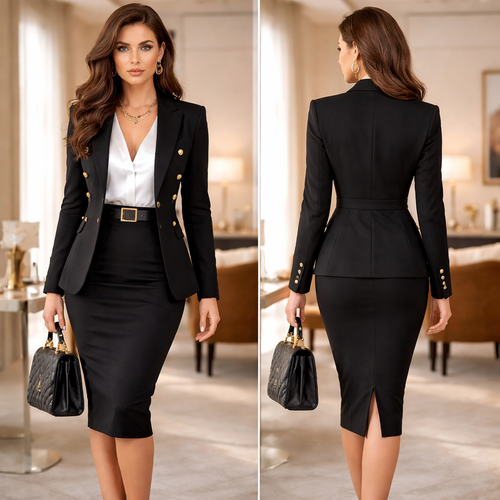
Bossy classic
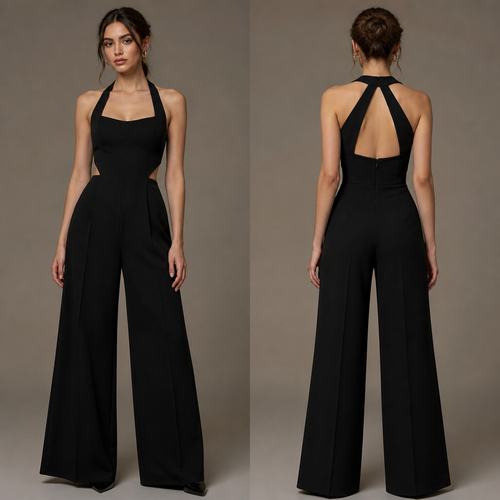
A Jumpsuit design, in Classic + Y2K + Elegant style
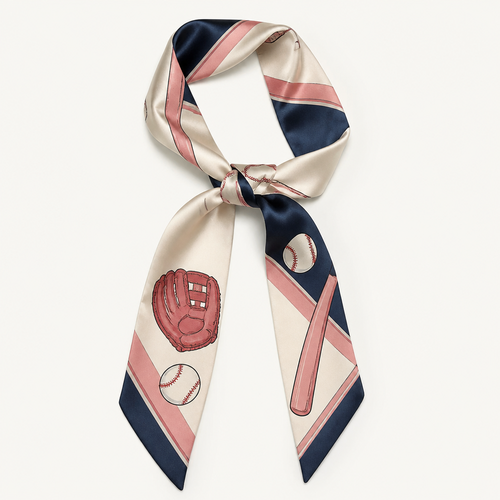
Design a silk twilly that is classic women’s softballs and keep it simple design
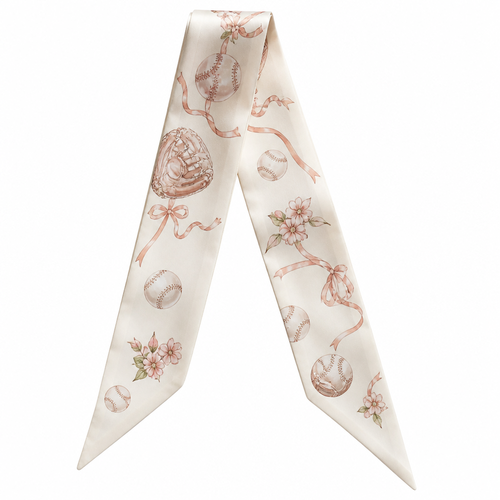
Design a silk twilly that is classic women’s softballs and keep it simple design
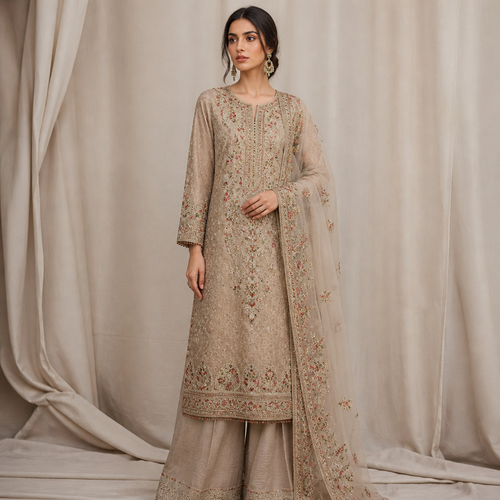
A Female Dress design, in Classic style. Pakistan fashion aesthetics.
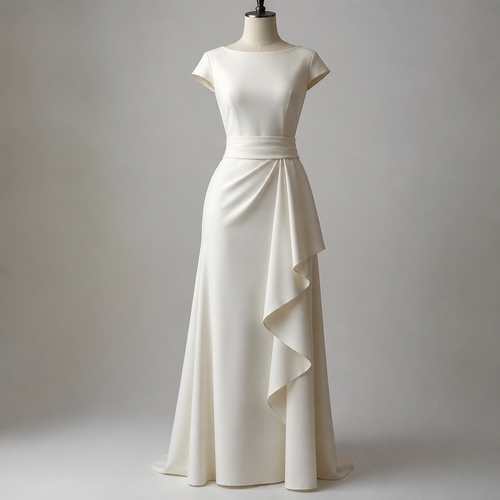
A Female Dress design, in Classic style. IQ fashion aesthetics.
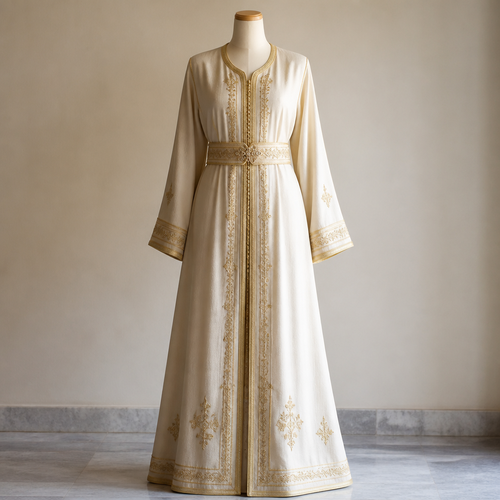
A Female Dress design, in Classic style. Tunisia fashion aesthetics.
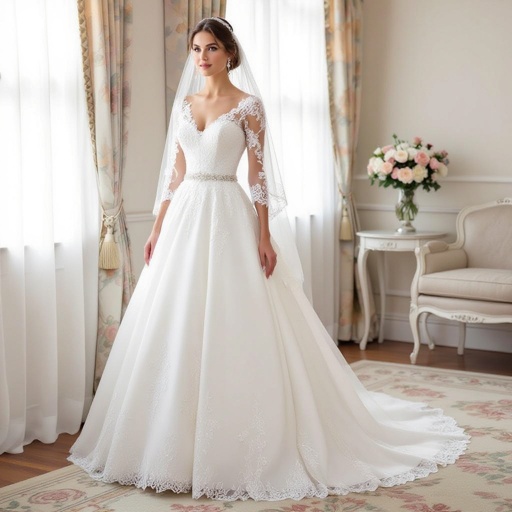
A puffy white bridal gown made of lace, embellished with crystal beads on the bodice, paired with an embellished veil." ...
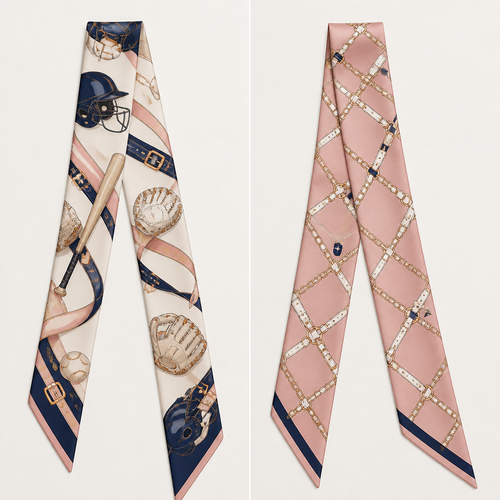
Design a silk twilly that is a classic women’s softball pattern
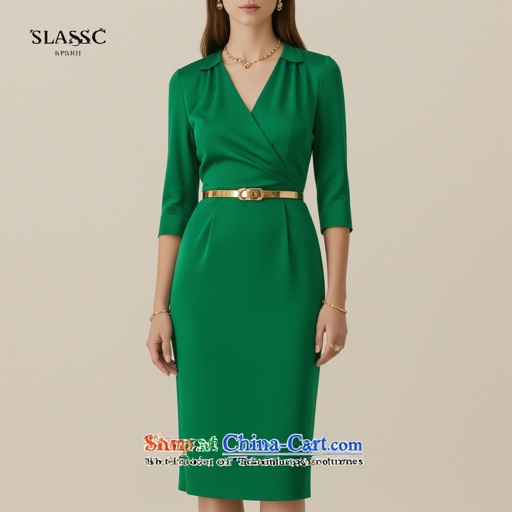
I want a rich royal jade green dress, short, tight, shiny, very eye-catching, with a gold belt and gold accessories.
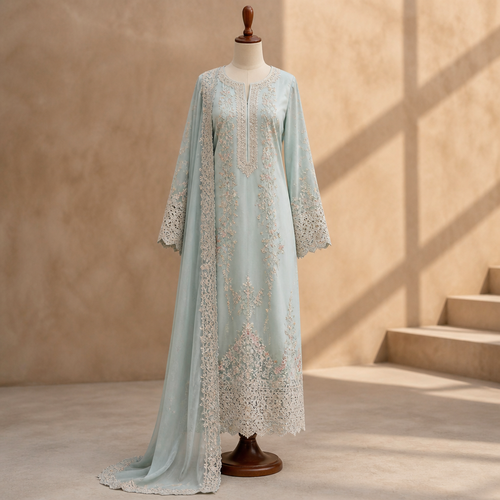
A Female Dress design, suitable for Summer, in Classic style. Pakistan fashion aesthetics.
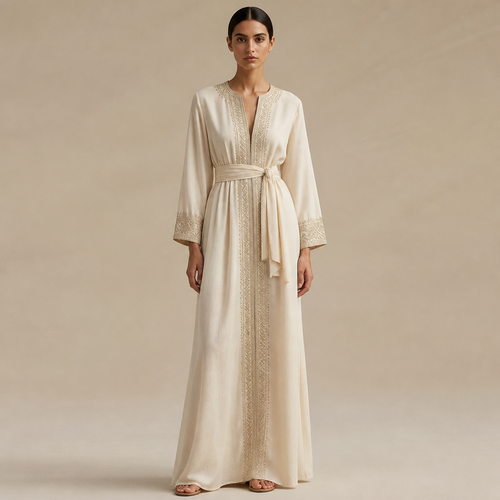
A Female Dress design, suitable for Summer, in Classic style. Morocco fashion aesthetics.
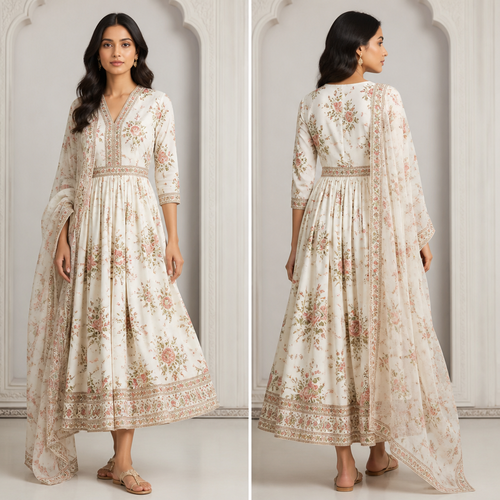
A Female Dress design, suitable for Summer, in Classic style. India fashion aesthetics.
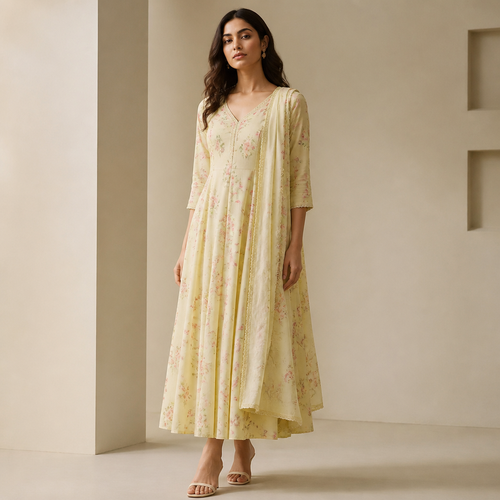
A Female Dress design, suitable for Summer, in Classic style. India fashion aesthetics.
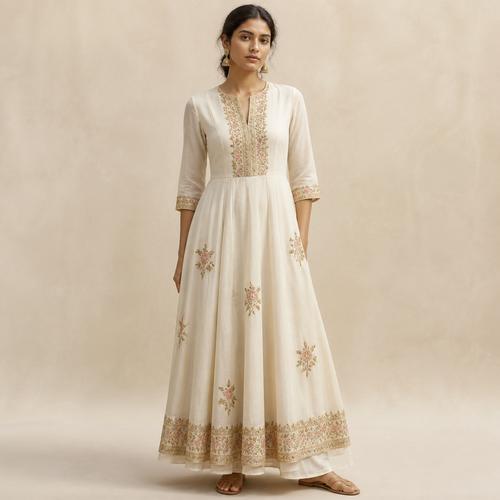
A Female Dress design, suitable for Summer, in Classic style. India fashion aesthetics.
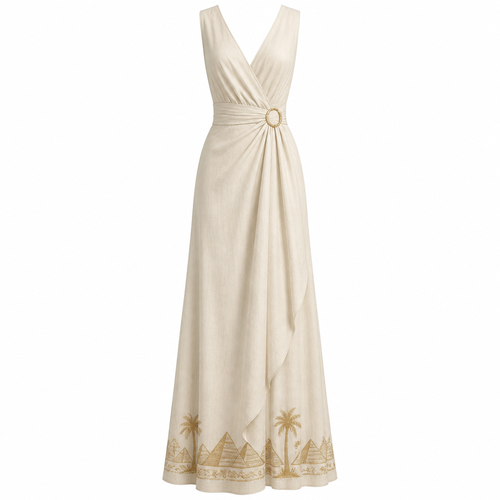
A Female Dress design, suitable for Summer, in Classic style. Egypt fashion aesthetics.
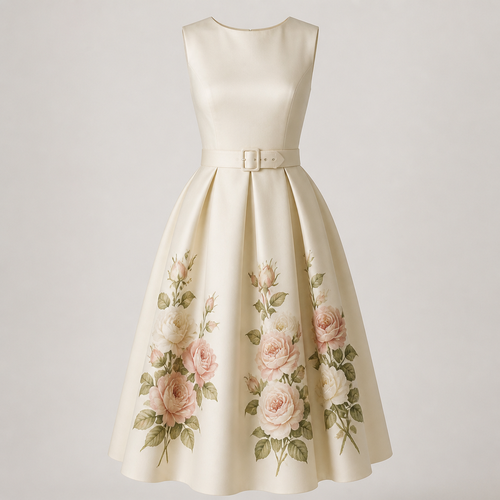
A Female Dress design, suitable for Summer, in Classic style. SV fashion aesthetics.