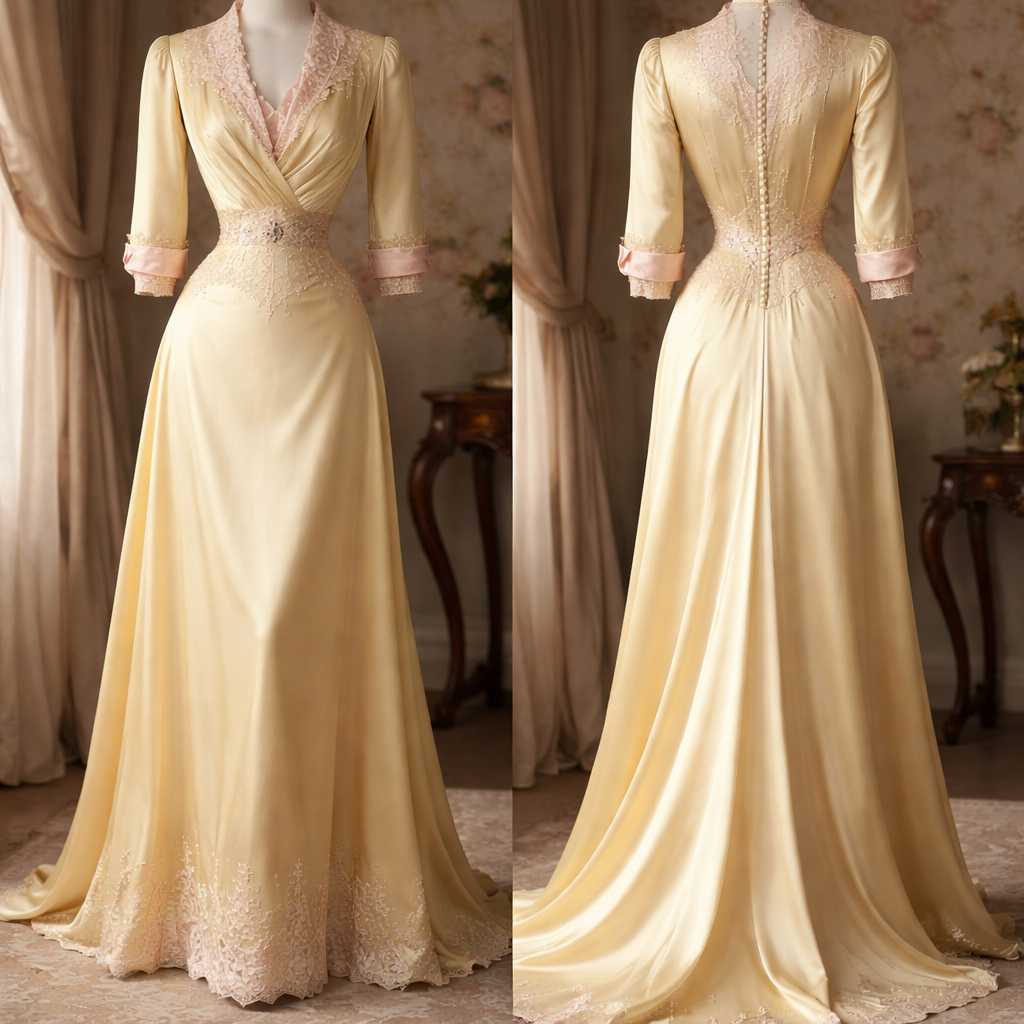
For a fashion designer, this 1900-inspired look can be described as an Edwardian-era silk tea gown. The design centers on a slender, elongated silhouette that moves away from the dramatic puffs of the late Victorian era toward a more refined, fluid aesthetic. Core Design Elements Fabric & Color: The gown is constructed from a lightweight canary or pale yellow silk satin. The finish should be lustrous but soft, allowing for the characteristic drape of the early 20th century. Neckline & Layering: The primary garment features a deep V-neckline, which was a common detail for day and afternoon bodices of the period. This opens to reveal a soft pink silk or lace chemisette (under-top). The pink should serve as a delicate contrast, visible only at the neck and potentially at the wrists as a "peek-a-boo" detail. Sleeve Construction: The sleeves are three-quarter length and cut slim to the arm, purposefully avoiding the "puffy" or leg-o-mutton styles of the 1890s. They should terminate just below the elbow, possibly finished with a thin band of the same pink silk from the under-top. Silhouette Details: Pigeon Breast Bodice: A slight "blousing" or fullness at the front of the yellow silk bodice, hanging gently over a defined waistline to create the iconic early 1900s "S-bend" or pigeon-breast look. Skirt: A floor-length, bell-shaped or gored skirt that fits smoothly over the hips and flares toward the hem, maintaining a streamlined profile that prioritizes "intellectual refinement" over excessive volume.
More None
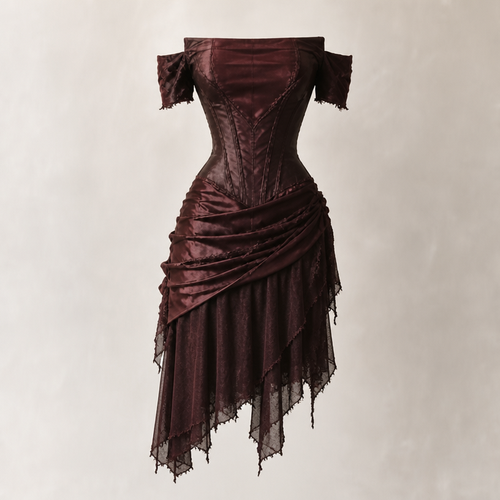
нужно вернуть асиметрию но не делать платье слишком раскрепощенным можно чтобы одна часть была длиннее а другая короче н...
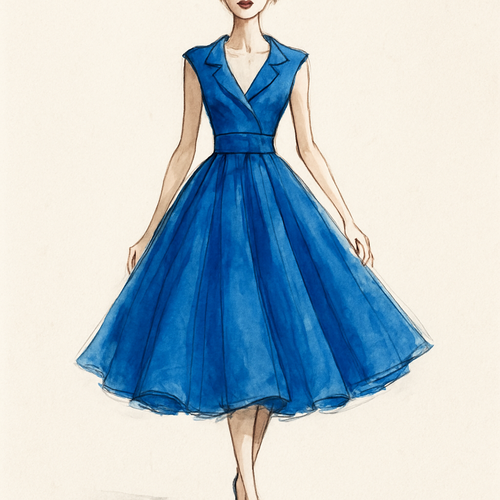
Blue Dress
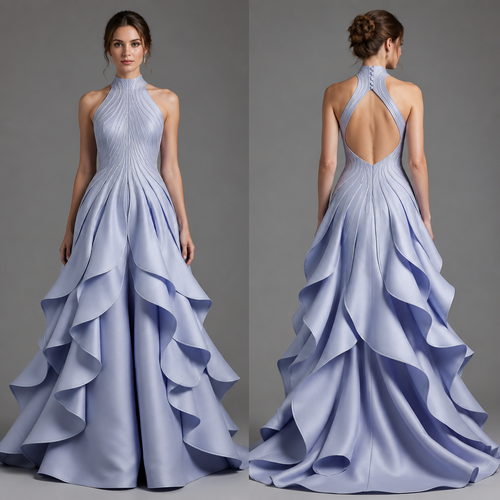
Something formal that’s also fun that has a jellyfish vibe none see through
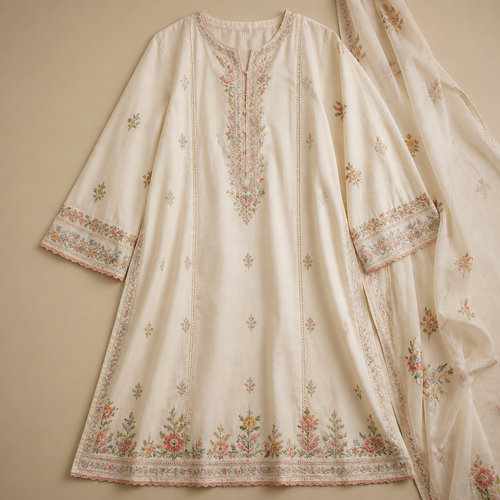
photorealistic fashion design, A Dress design, in Casual style. Pakistan fashion aesthetics., casual style, just the des...
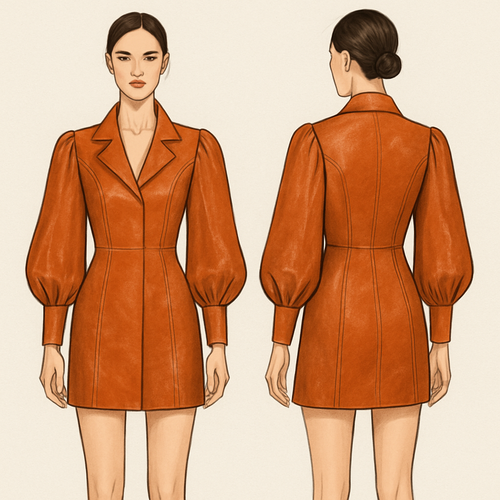
Nona
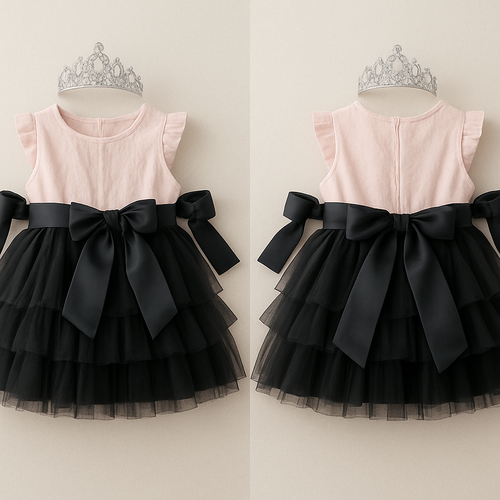
1歳の女の子のベビードレス 黒のチュールドレス、膝丈のラッフルスカート(ボリューミー) 上半身は薄ピンクでノースリーブ、シワシワな感じ 切り返し上の薄ピンクの部分に黒のサテン生地の太めのリボンを一周巻いて、真ん中ではなく、左前あたりで大きく...
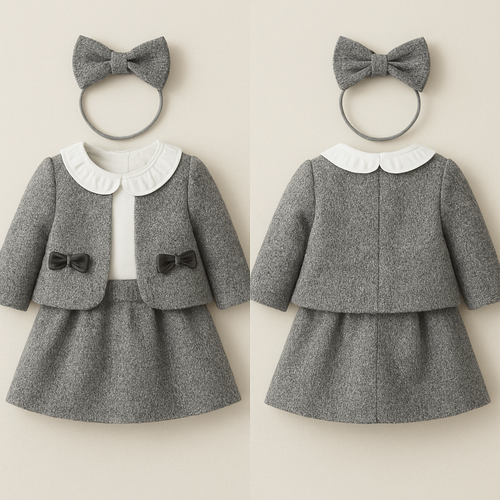
1歳の女の子のベビー服 グレーのツイードのジャケットとスカート部分がグレーのツイードのワンピースのセットアップ ワンピースの上半身部分は白で丸襟でフリフリ ジャケットの両ポケットの位置にベロア素材のリボン 頭にはジャケットについてるリボンと...
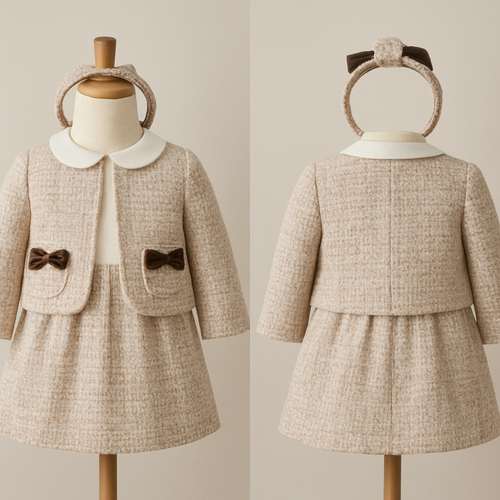
1歳の女の子のベビー服 ツイードのジャケットとスカート部分がツイードのワンピースのセットアップ ワンピースの上半身部分は白で丸襟 ジャケットの両ポケットの位置にベロア素材のリボン 頭にはジャケットについてるリボンと同じもののカチューシャ
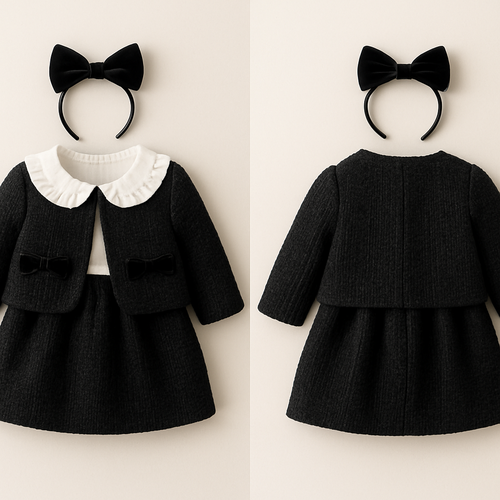
1歳の女の子のベビー服 黒ツイードのジャケットとスカート部分が黒ツイードのワンピースのセットアップ ワンピースの上半身部分は白で丸襟でフリフリ ジャケットの両ポケットの位置にベロア素材のリボン 頭にはジャケットについてるリボンと同じもののカ...
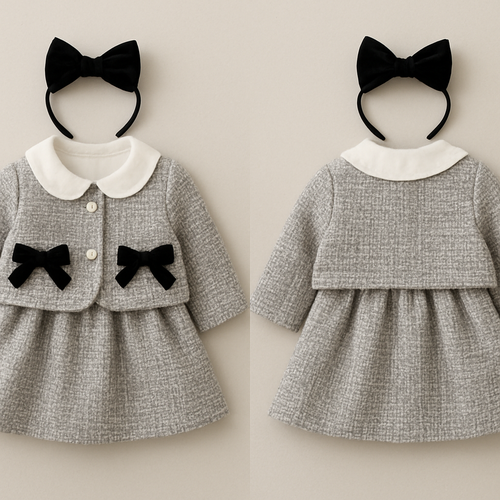
1歳の女の子のベビー服 グレーベースと白のツイードのジャケットとスカート部分がグレーベースと白ツイードのワンピースのセットアップ ワンピースの上半身部分は白で丸襟でフリフリ ジャケットの両ポケットの位置に黒のベロア素材のリボン結び 頭にはジ...
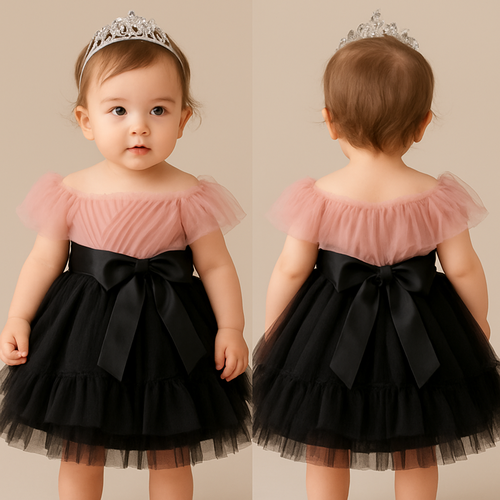
1歳の女の子のベビードレス着用画 黒のチュールドレス、膝丈のラッフルスカート(ボリューミー) 上半身は、ローズピンク、細かいギャザーを寄せたチュールのボディスに、胸元から肩にかけてふんわりとかかるオフショルダー風のチュールを重ねたデザイン、...
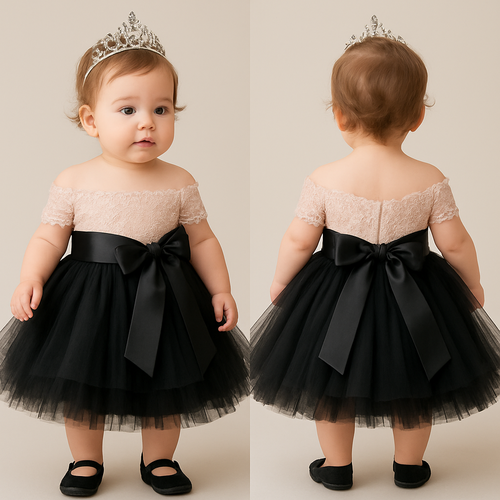
1歳の女の子のベビードレス着用画 黒のチュールドレス、膝丈のラッフルスカート(ボリューミー) 上半身は薄ピンクでレースのオフショル、下のチュールに合う、大人っぽい素材 上の薄ピンクの部分に黒のサテン生地の太めのリボンを一周巻いて、真ん中では...
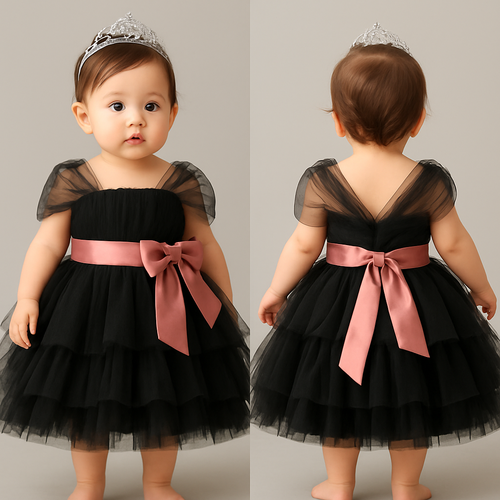
1歳の女の子のベビードレス着用画 黒のチュールドレス、膝丈のラッフルスカート(ボリューミー) 上半身は、細かいギャザーを寄せたベアトップのチュールのボディス その上から同一色のチュールショルダーラップ、肩から膝上までをふんわり巻き付けるよう...

1歳の女の子のベビードレス着用画 黒のチュールドレス、短めのチュチュスカート(ボリューミー) 上半身は、細かいギャザーを寄せたベアトップのチュールのボディス その上から同一色のチュールショルダーラップ、肩から膝上までをふんわり巻き付けるよう...
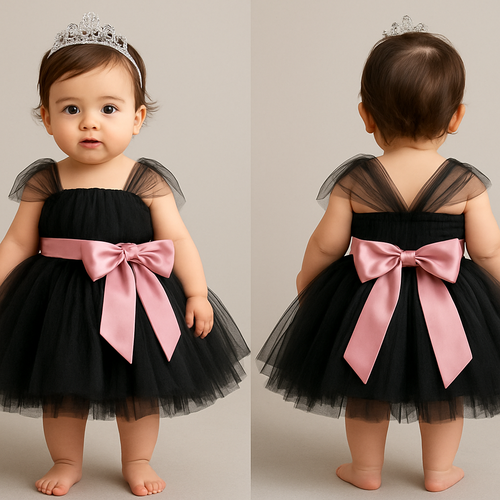
1歳の女の子のベビードレス着用画 黒のチュールドレス、短めのパニエスカート(ボリューミー) 上半身は、細かいギャザーを寄せたベアトップのチュールのボディス その上から同一色のチュールショルダーラップ、肩から膝上までをふんわり巻き付けるように...
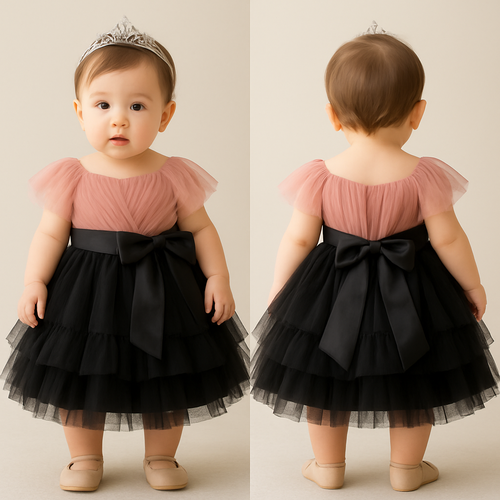
1歳の女の子のベビードレス着用画 黒のチュールドレス、膝丈のラッフルスカート(ボリューミー) 上半身は、ローズピンク、縦方向に細かいギャザーを寄せたチュールのボディスに、胸元から肩にかけてふんわりとかかるオフショルダー風のチュールを重ねたデ...
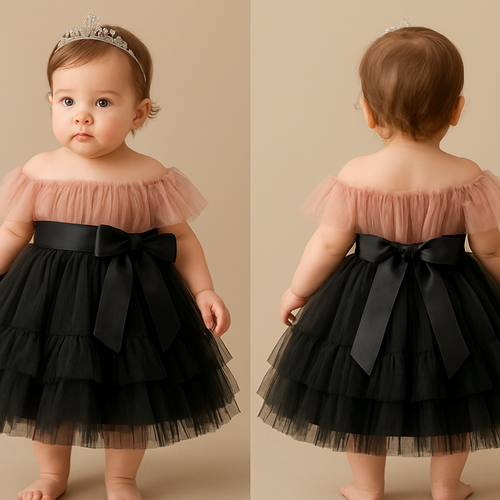
1歳の女の子のベビードレス着用画 黒のチュールドレス、膝丈のラッフルスカート(ボリューミー) 上半身は、細かいギャザーを寄せたチュールのボディスに、胸元から肩にかけてふんわりとかかるオフショルダー風のチュールを重ねたデザイン、アンティークピ...
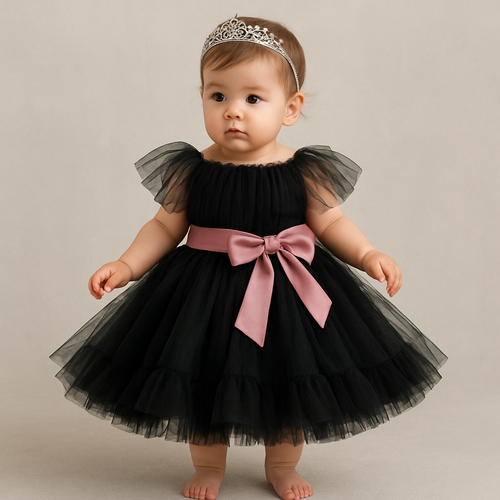
1歳の女の子のベビードレス着用画 黒のチュールドレス、膝丈のラッフルスカート(ボリューミー) 上半身は、細かいギャザーを寄せたチュールのボディス 胸元から肩にかけてふんわりとかかるオフショルダー風のチュールを重ねたデザイン 肩まわりは、柔ら...
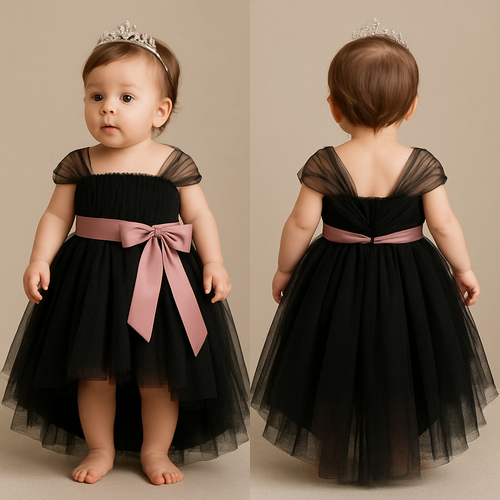
1歳の女の子のベビードレス着用画 黒のチュールドレス、前が短くて後ろが長いスカート、短長はっきりと 上半身は、細かいギャザーを寄せたベアトップのチュールのボディス その上から同一色のチュールショルダーラップ、肩から膝上までをふんわり巻き付け...
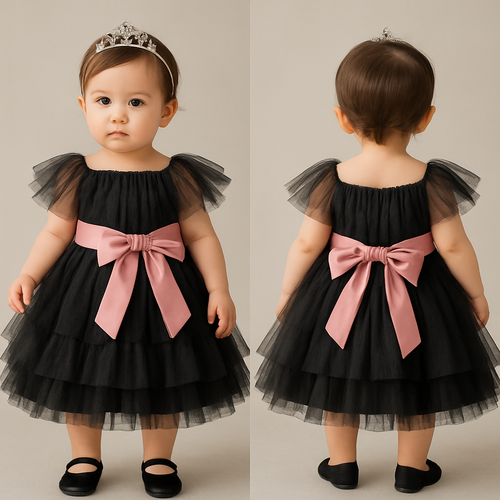
1歳の女の子のベビードレス着用画 黒のチュールドレス、膝丈のラッフルスカート(ボリューミー) 上半身は、細かいギャザーを寄せたチュールのボディス 胸元から肩にかけてふんわりとかかるオフショルダー風のチュールを重ねたデザイン 肩まわりは、柔ら...
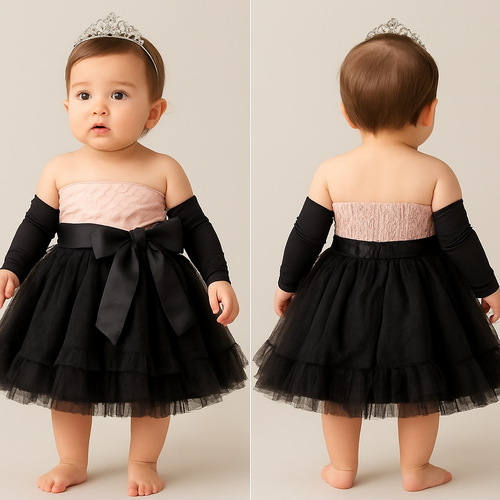
1歳の女の子のベビードレス着用画 黒のチュールドレス、膝丈のラッフルスカート(ボリューミー) 上半身は薄ピンクでベアトップ、下のチュールに合う、大人っぽい素材、シワシワな感じ切り返し 上の薄ピンクの部分に黒のサテン生地の太めのリボンを一周巻...
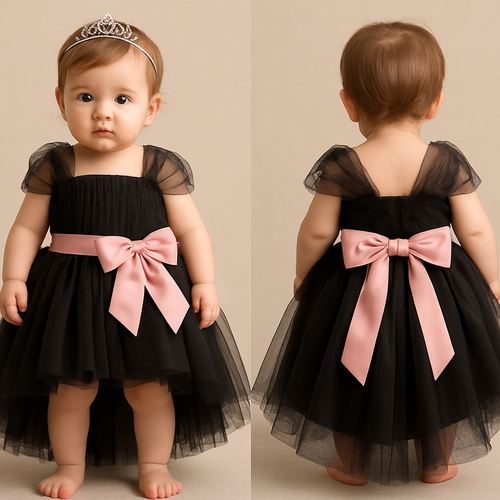
1歳の女の子のベビードレス着用画 黒のチュールドレス、前が短くて後ろが長いスカート、短長はっきりと 上半身は、細かいギャザーを寄せたベアトップのチュールのボディス その上から同一色のチュールショルダーラップ、肩から膝上までをふんわり巻き付け...
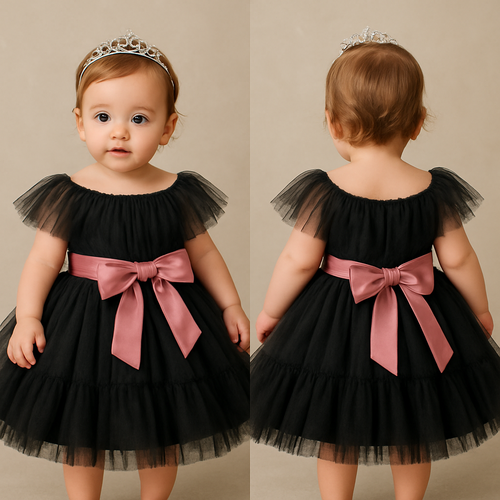
1歳の女の子のベビードレス着用画 黒のチュールドレス、膝丈のラッフルスカート(ボリューミー) 上半身は、細かいギャザーを寄せたチュールのボディス 胸元から肩にかけてふんわりとかかるオフショルダー風のチュールを重ねたデザイン 肩まわりは、柔ら...
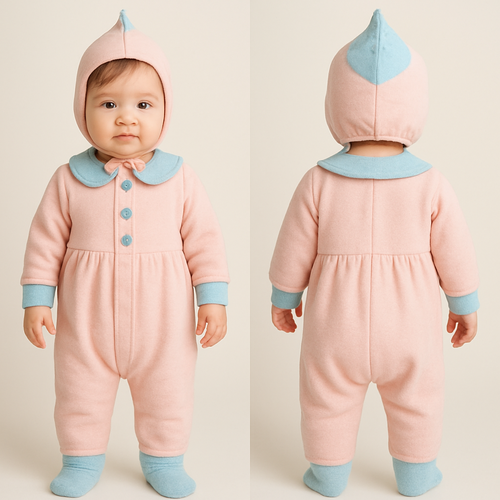
一歳の女の子着用画 淡いピンクベースに薄い水色の差し色の小人のような全身コーディネート カバーオール 頭から足まで
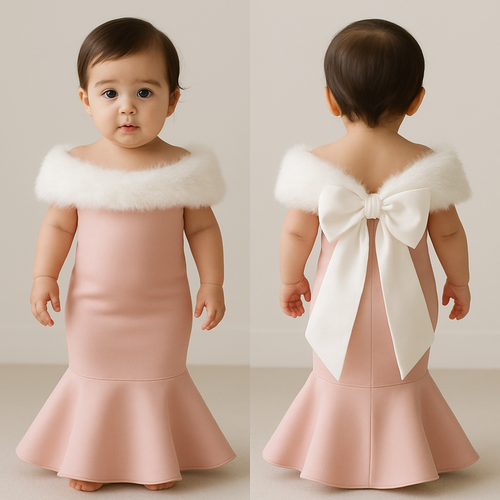
1歳の女の子のベビードレス 薄ピンク色のタイトなマーメイドドレス 肩周りが白いファーのオフショル 背中に大きなリボン リボンは白で、サテン
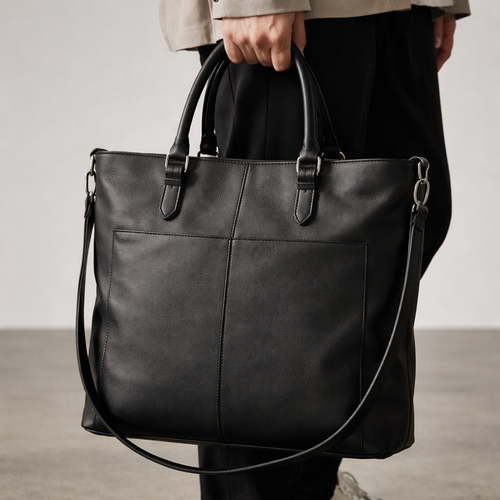
Make me a non gender specific leather tote bag with rolled handles

1歳の女の子のベビードレス着用画 黒のチュールドレス、前が短くて後ろが長いスカート 上半身は、細かいギャザーを寄せたベアトップのチュールのボディス その上から同一色のチュールショルダーラップ、肩から膝上までをふんわり巻き付けるように胸下の切...
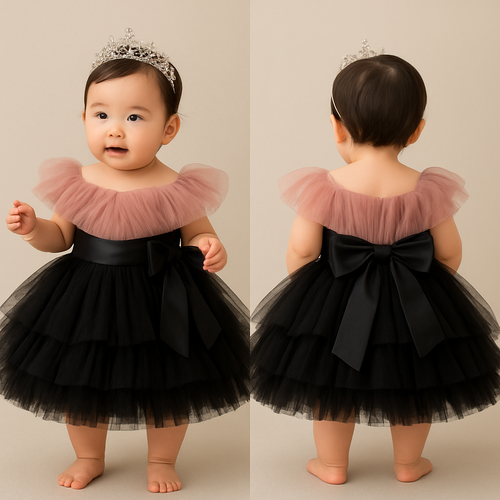
1歳の女の子のベビードレス着用画 黒のチュールドレス、膝丈のラッフルスカート(ボリューミー) 上半身は、細かいギャザーを寄せたチュールのボディスに、胸元から肩にかけてふんわりとかかるオフショルダー風のチュールを重ねたデザイン、肩まわりは、柔...
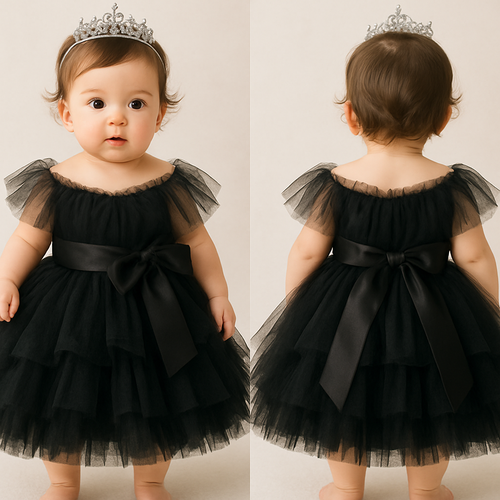
1歳の女の子のベビードレス着用画 黒のチュールドレス、膝丈のラッフルスカート(ボリューミー) 上半身は、細かいギャザーを寄せたチュールのボディスに、胸元から肩にかけてふんわりとかかるオフショルダー風のチュールを重ねたデザイン、肩まわりは、柔...

1歳の女の子のベビードレス着用画 黒のチュールドレス、膝丈のラッフルスカート(ボリューミー) 上半身は、細かいギャザーを寄せたベアトップのチュールのボディス その上から同一色のチュールショルダーラップ 胸下の切り返しにローズピンクのサテン生...
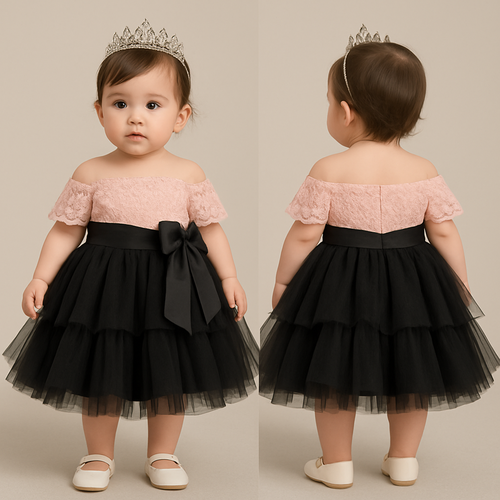
1歳の女の子のベビードレス着用画 黒のチュールドレス、膝丈のラッフルスカート(ボリューミー) 上半身はピンクで分厚いレースのオフショル、袖部分は肩に垂れる感じ、下のチュールに合う、大人っぽい素材 上の薄ピンクの部分に黒のサテン生地の太めのリ...
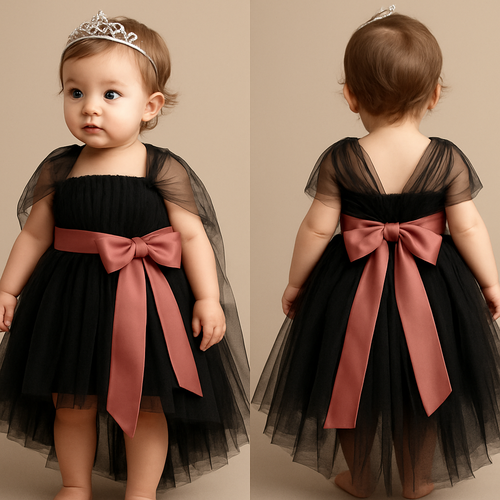
1歳の女の子のベビードレス着用画 黒のチュールドレス、前が短くて後ろが長いスカート、短長はっきりと 上半身は、細かいギャザーを寄せたベアトップのチュールのボディス その上から同一色のチュールショルダーラップ、肩から膝上までをふんわり巻き付け...
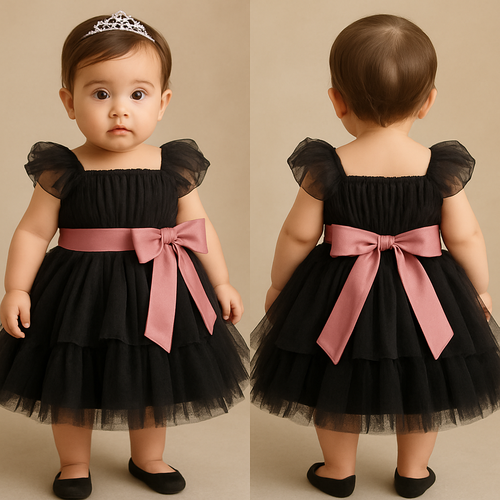
1歳の女の子のベビードレス着用画 黒のチュールドレス、膝丈のラッフルスカート(ボリューミー) 上半身は、細かいギャザーを寄せたベアトップのチュールのボディス その上から同一色のチュールショルダーラップのように、腕を覆いすぎず、胸元の中心に軽...
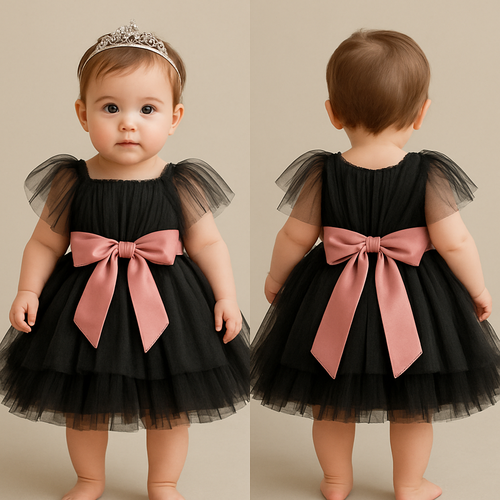
1歳の女の子のベビードレス着用画 黒のチュールドレス、膝丈のラッフルスカート(ボリューミー) 上半身は、細かいギャザーを寄せたベアトップのチュールのボディス その上から同一色のチュールショルダーラップ、肩から膝上までをふんわり巻き付けるよう...
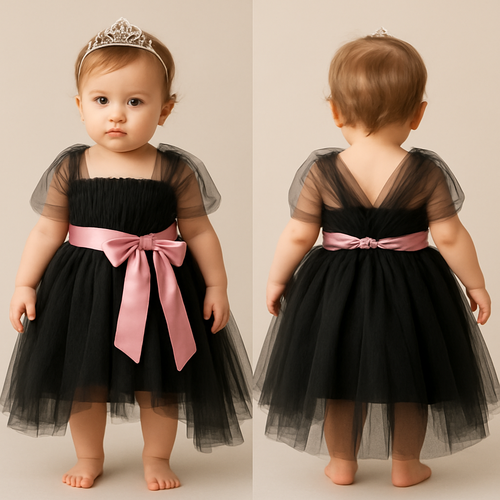
1歳の女の子のベビードレス着用画 黒のチュールドレス、前が短くて後ろが長いスカート 上半身は、細かいギャザーを寄せたベアトップのチュールのボディス その上から同一色のチュールショルダーラップ、肩から膝上までをふんわり巻き付けるように、背中で...
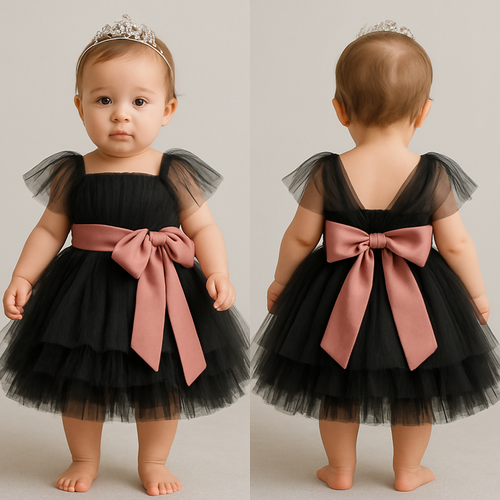
1歳の女の子のベビードレス着用画 黒のチュールドレス、膝丈のラッフルスカート(ボリューミー) 上半身は、細かいギャザーを寄せたベアトップのチュールのボディス その上から同一色のチュールショルダーラップ、肩から膝上までをふんわり巻き付けるよう...
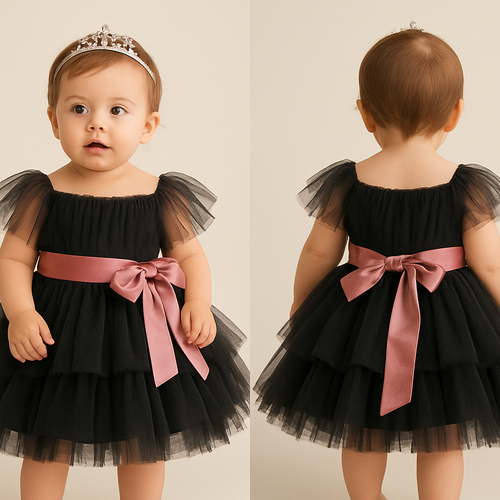
1歳の女の子のベビードレス着用画 黒のチュールドレス、膝丈のラッフルスカート(ボリューミー) 上半身は、細かいギャザーを寄せたチュールのボディス 胸元から肩にかけてふんわりとかかるオフショルダー風のチュールを重ねたデザイン 肩まわりは、柔ら...
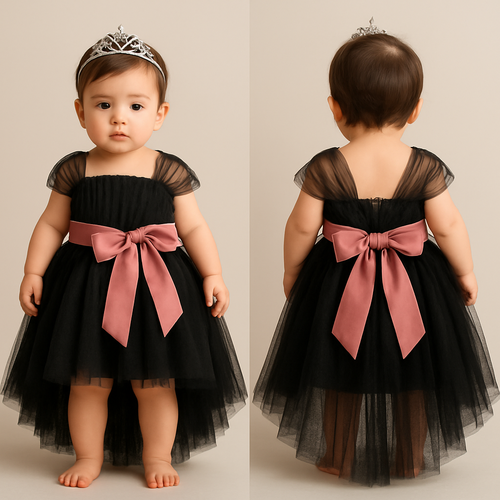
1歳の女の子のベビードレス着用画 黒のチュールドレス、前が短くて後ろが長いスカート、短長はっきりと 上半身は、細かいギャザーを寄せたベアトップのチュールのボディス その上から同一色のチュールショルダーラップ、肩から膝上までをふんわり巻き付け...
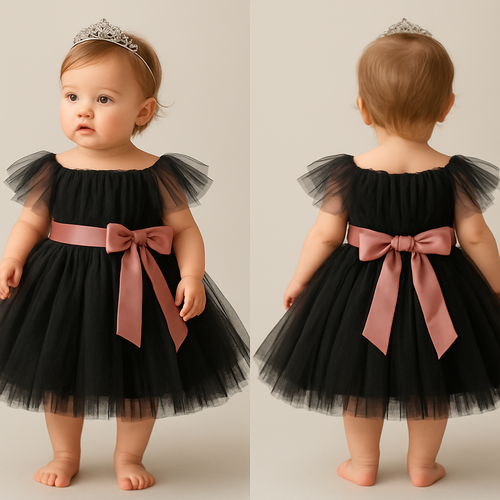
1歳の女の子のベビードレス着用画 黒のチュールドレス、膝丈のラッフルスカート(ボリューミー) 上半身は、細かいギャザーを寄せたチュールのボディス 胸元から肩にかけてふんわりとかかるオフショルダー風のチュールを重ねたデザイン 肩まわりは、柔ら...
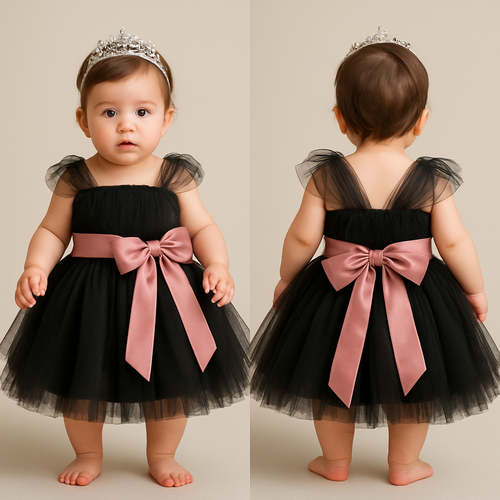
1歳の女の子のベビードレス着用画 黒のチュールドレス、バッスルスカート(ボリューミー) 上半身は、細かいギャザーを寄せたベアトップのチュールのボディス その上から同一色のチュールショルダーラップ、肩から膝上までをふんわり巻き付けるように胸下...
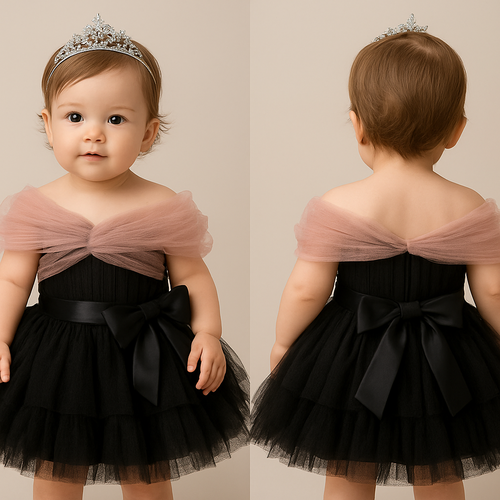
1歳の女の子のベビードレス着用画 黒のチュールドレス、膝丈のラッフルスカート(ボリューミー) 上半身は、細かいギャザーを寄せたチュールのボディスに、胸元から肩にかけてふんわりとかかるオフショルダー風のチュールを重ねたデザイン、肩まわりは、柔...
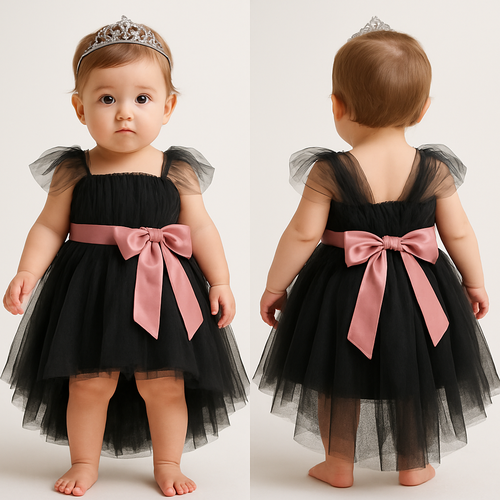
1歳の女の子のベビードレス着用画 黒のチュールドレス、前が短くて後ろが長いスカート、短長はっきりと 上半身は、細かいギャザーを寄せたベアトップのチュールのボディス その上から同一色のチュールショルダーラップ、肩から膝上までをふんわり巻き付け...